Curator Amanda Coulson guides a Caribbean art tour through The Bahamas, revealing how branded residences build authentic culture, not just design.

Curator Amanda Coulson guides a Caribbean art tour through The Bahamas, revealing how branded residences build authentic culture, not just design.
|
Getting your Trinity Audio player ready...
|
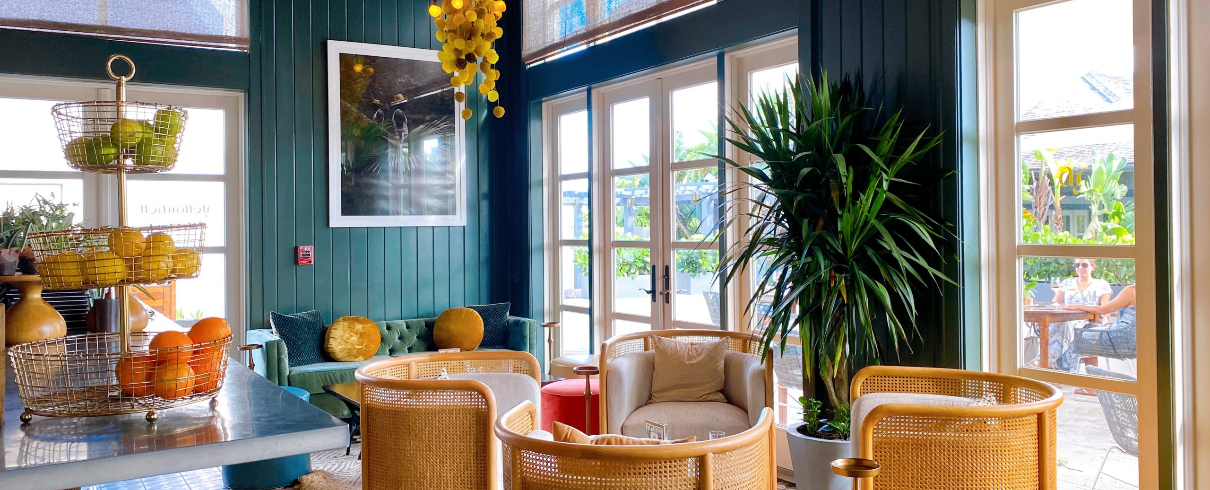
I spot the Junkanoo Women almost by accident. Walking through TERN Gallery in Nassau with international curator Amanda Coulson, I find a series of small ceramic dolls tucked into the gallery bookshelves, resting amongst art catalogues, prints and sales materials for the most exclusive branded listings in the world. Located within posh estate of The Island House hotel and residences, TERN Gallery offers a home for contemporary art on the property, anchoring the sumptuous restaurants, lobby and tree topped rooms with art from the Caribbean.
Operating more like a private club, The Island House offers a locally approved starting point for any new resident, including a robust film, wellness and culture series to complement TERN’s exhibitions and an onsite, boutique real estate firm, where you can also find walls with a view for your art.
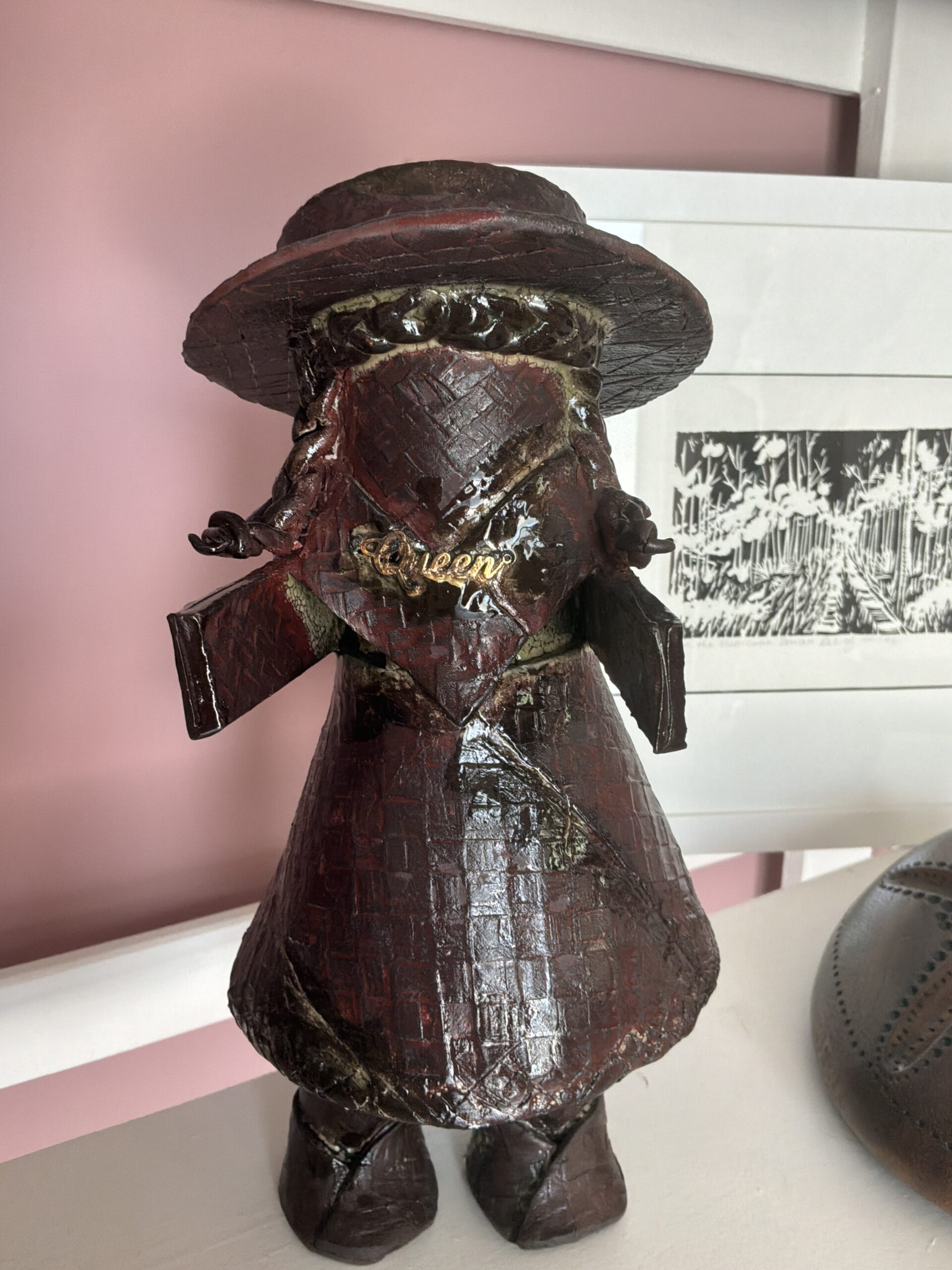
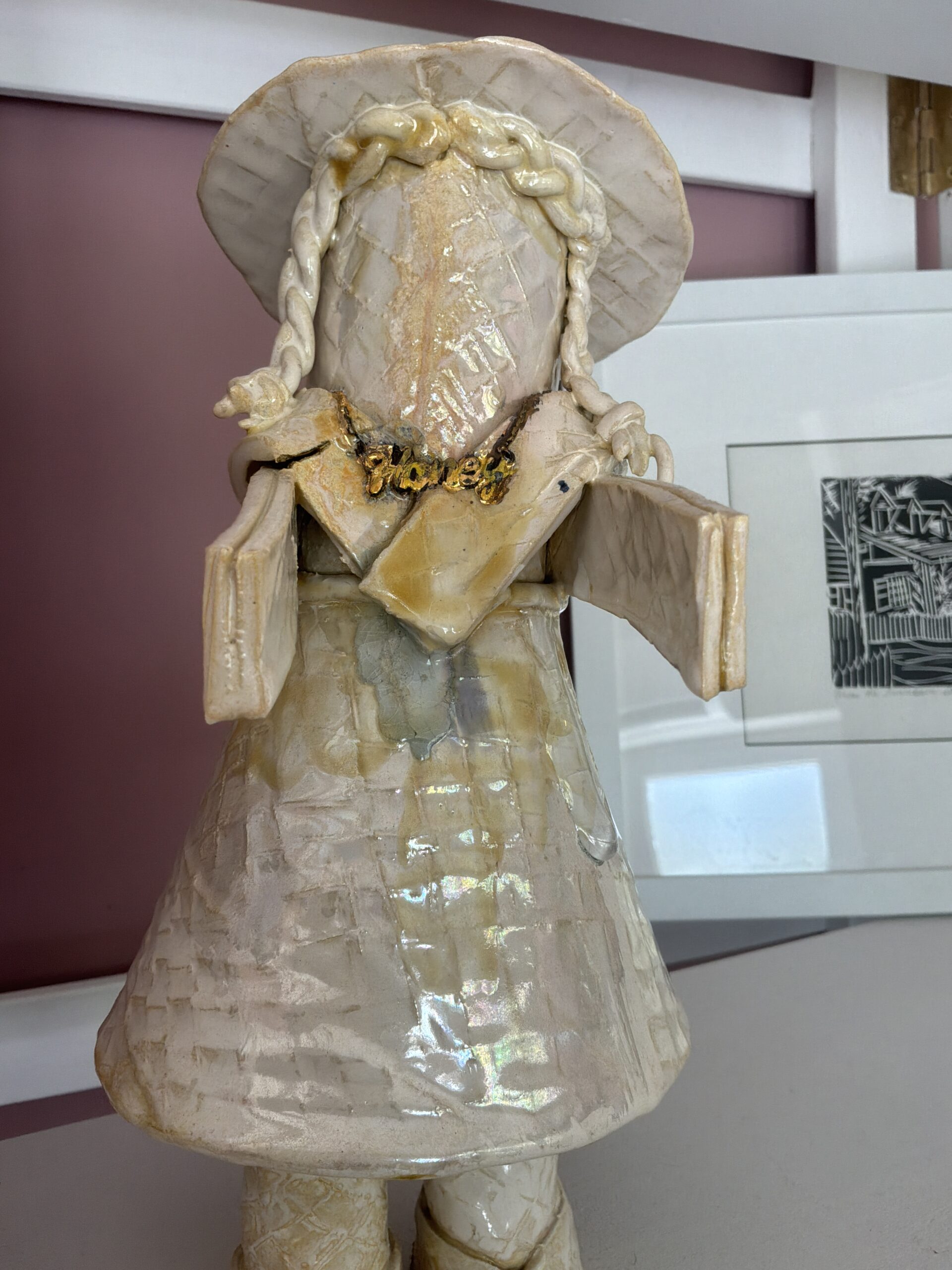
The tiny Junkanoo Women are by Bahamian contemporary multi-discipline artist Anina Major. Her sculptures focus on the generational tradition of straw plaiting and weaving through ceramics. Major is currently featured in a solo show ‘The Sacred Mangrove’ at the Pérez Art Museum Miami with new work debuting at the upcoming FUZE Art Fair and Culinary Festival at the Baha Mar in October 2026.
The sculptures remind me of the many islands across the Caribbean. Each has her own name and character, rendered in different colors with a symbolic crowning beauty expressed through texture, beads, jewels or coins. They all share a story of tradition and an excellent example of her most personal work. The Junkanoo Women are an affordable start for a discerning buyer, available exclusively through Major’s hometown representation, TERN Gallery.
It is a useful lesson in collecting. Major’s work is often discovered through museums, international exhibitions and art fairs, seemingly far away from an island. Unless you know where to look.
The Caribbean enjoys a natural proximity, commercially and historically to North America, Latin America, Europe and the world. Already a favorite of the yachting, offshore finance and family-office set, the region has evolved from a casino & cruiser’s paradise into a leading second-home and luxury eco-tourism destination for the global hospitality residence market.
According to Branded Living Pro reporting, there are currently 30 brands and 15 global developers with active projects across the Caribbean, including Turks & Caicos, Mexico, St. Barths, Antigua and Barbuda. The brand is presence strong with projects from well known hospitality brands St. Regis, Hilton and Mandarin Oriental to niche lifestyle brand Nikki Beach and the exotic wellness brands of Anatara, Aman, and Auberge. Data from Sotheby’s International 2026 Outlook report suggests “Caribbean inventory remains relatively constrained compared to pre-COVID levels, with demand for second homes and oceanfront residences continuing to outpace supply.”
The most active is The Bahamas, with seven branded residential communities approved or under construction. Established global hospitality names like Montage Cay in Abaco, Rosewood Residences at Baha Mar and The Ocean Club, A Four Seasons Resort, on Paradise Island are all expanding alongside an explosion of new development across the Family Island cays of Exumas, Harbour Island, Andros and Bimini. With easy access to the USA through yachting, marinas, commercial and private aviation, an island residence has never been closer.
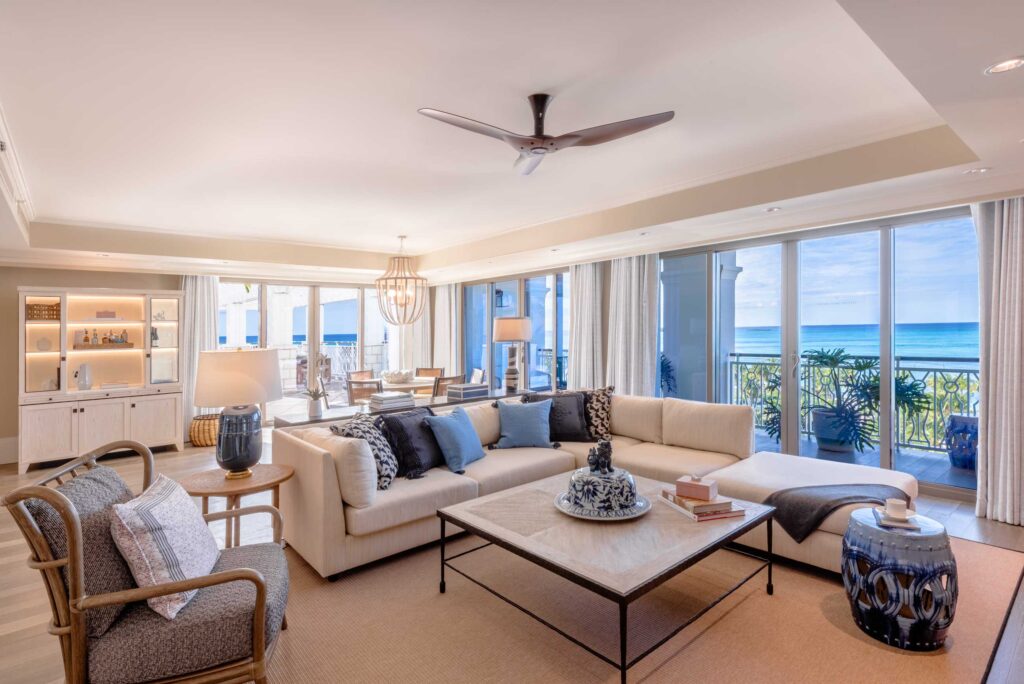
Branded residences are going beyond the appeal of the region’s remote natural beauty and sunny weather. The new residential strategy is to build an authentic community experience for the second-home owner.
In the island way of coming together, these properties create engagement by investing in collaborations with curated art collections, on-site galleries like the acclaimed Current at The Baha Mar or hosting signature events that support philanthropy and celebrate cuisine, culture and music. Supporting a professional creative economy by working with local experts deepens a sense of place for everyone.
The best example of this is present at the Baha Mar Resort and interiors of the Rosewood. Rival only to the local museum, the private colletion was curated by the critically acclaimed in-house Executive Director of Art and Culture, contemporary artist and arts producer John Cox. The Rosewood and accompanying Baha Mar 100 Years Fairwind Exhibit, features more than 300 works, spanning 150 years of Bahamian culture from the private collection of Dawn Davies, one of the most prominent collectors of Bahamian art in the Caribbean.
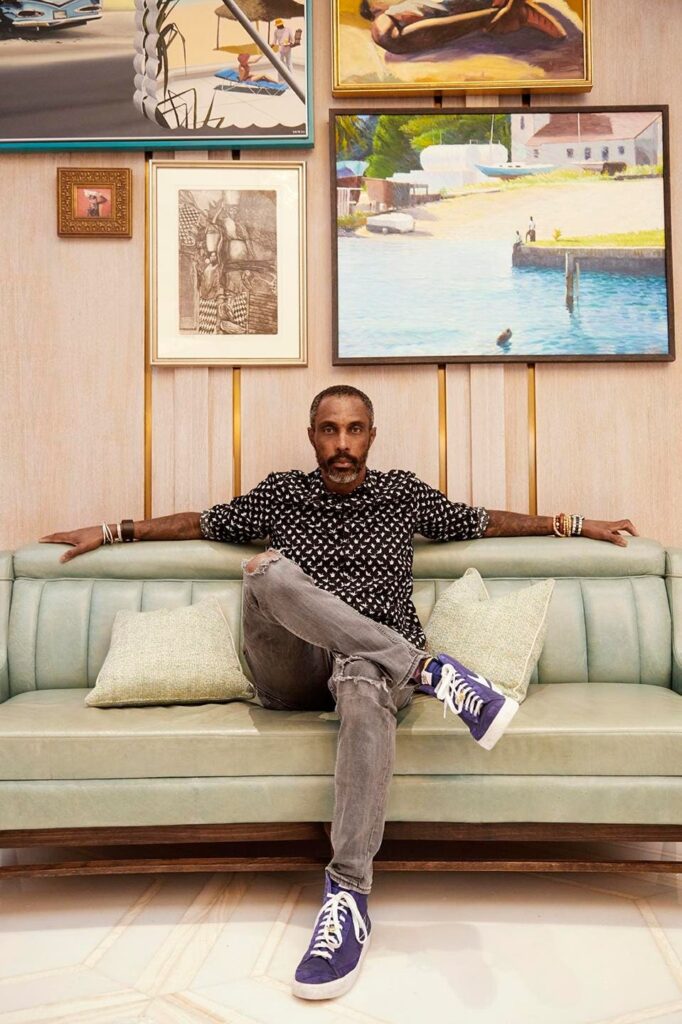
Yet, even with expert design and architecture, a new home can still feel disconnected. There is a difference between designing a residence ‘inspired by the sea’ versus building a collection that participates in and reflects the authentic experience of living there. One requires money and vision, for the other, you might want a guide.
That is where experts like Amanda Coulson become more valuable than the traditional idea of an art dealer. A lifelong curator who has built both a deep knowledge of contemporary culture and her own network within it, Coulson is an expert guide to the entire diaspora of Caribbean art.
Currently Executive Curator and Director of TERN Gallery in Nassau, Coulson’s career has spanned museums, international art fairs, institutions and private collections. She understands the artwork and the complicated infrastructure surrounding it: pricing, provenance, placement, relationships, exhibitions, logistics and the trajectory of an artist’s career. Her professional services go beyond choosing a painting to go above the sofa.
Building relationships over decades, Coulson is a trusted asset advisor for the culturally invested homeowner. She acts as a personal art and design agent, describing her role as “reviewing pricing, evaluating collections, documentation, organizing a collection, rehanging things, reframing things, storing, shipping things,” along with the originating art sourcing and final placement. This is in addition to her daily work at TERN Gallery, with her own exhibitions, art fair presentations, personal mentoring and ‘showing up’ to support a growing roster of emerging artist representation.
In an industry where considerable resources go into designing a residence, the expertise required to build an art collection is sometimes treated as an aesthetic extra. Branded properties are worth multiple millions of dollars with exceptionally high standards for engineering and hard to source materials. Imagine the value inside.
Coulson makes this point clear, referencing an experience with a former government official rebuffing her attempt to pay artists for work being displayed in the Prime Minister’s office, rejecting a small suggested stipend, the response was ‘it should be an was an honor’ for the artist.
“They really didn’t understand the value of a gallery, or even of an institution and the labor that goes in and why that’s so important.” Coulson muses, “I have a master’s degree, you know, I have two BAs. Like, you won’t bat an eyelid to spend 250 on a lawyer. It’s a very special skill set. Why is it always the artists who are asked to give?”
On how to build an arts community from the middle of an ocean, her philosophy is simple and consistent, “I show up,” she explains. “The people I work with now are people I’ve developed a relationship with by constantly being in touch with them and going to their things.”
Like a good real estate investment, an art collection is a living asset that involves a level of consideration. “It’s one of those things that looks easy, but it really isn’t,” explains Coulson.
I understand the distinction instantly while touring a private estate within the refined village of Lyford Cay. Coulson worked extensively with the owners on a collaboration of practical design while showcasing a private collection built within The Bahamas. Nothing about the experience resembles touring a museum, hotel lobby or gallery.
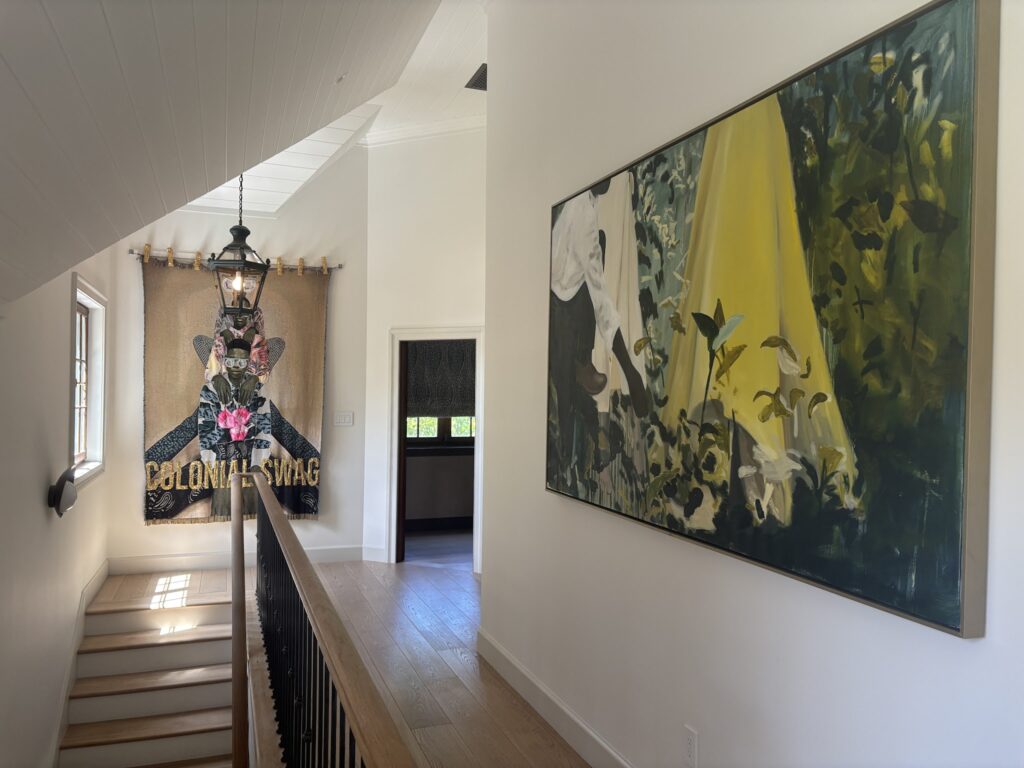
To start, we enter through the garage, right into the kitchen, like family. Across the soft green living room, framed in natural light from with tropically terraced windows, my gaze rises to greet a tangerine orange mylar-framed portrait from the Afrofuturistic world of Atlantica. The subject’s side eye and alien Colonial Swag style is the unmistakable work of US-Bahamian visual artist April Bey.
Commanding the room, the art is more than display. The selections reflect the lifestyle within the residence, hanging above a cozy fireplace of an open living room, next to cabinets in the kitchen, nestled within a bookshelf with record player, copy of Radiohead’s In Rainbows, a selection of ceramic vases including another Junkanoo Woman by Anina Major.
The collection is varied, tiny prints mixed with mid-century antiques and bold textiles adorn the walls. There is space for sculpture and custom lighting. Large canvas pieces complement the desks featuring children’s personal art, with subdued layered prints and excellent furniture design. The running theme is not color, genre or grandeur, instead there’s an island inspired Nancy Meyer movie-set feel with incredibly thoughtful cultural context.
There are important technical considerations behind that apparent ease: acquisition, artist introductions, selection, timing. Then, post-purchase, there is the technical skill of lighting, placement, protection, scale and the physical engineering required to safely display valuable work. The museum-level contemporary Caribbean collection is impressive, yet feels comfortable and lived-in. The art and objects are harmonious with functionality of the room; each feeling more intentional than installed.
It takes curatorial restraint and knowledge to edit a collection, some pieces are intentionally hung a little off-center, knowing when to leave a wall empty and breathe.
Preparing for the upcoming art fair season with FUZE Caribbean Art Fair in Nassau and Untitled Art Fair in Miami, Coulson is actively thinking about how new collectors enter the market, including buyers who aren’t beginning with major acquisitions.
“Whenever we do a show with artists, we always say, if it’s a print, include it. If it’s just smaller pieces, can you just make things that are under five grand?” she explains. “Because it’s a lot to ask a first-time buyer.” She points to young Bahamian collector and realtor Ryan Knowles of Maison Bahamas, whom she describes as “very, very committed to the arts.” “Every three months or so, he’ll buy a small piece. He’s not spending 50 grand every time, but he’s building a collection.”
Not just another souvenir from a beautiful place, contemporary Caribbean art comes from an established community of educators, craftspeople and patrons. After a 13-year hiatus, The Bahamas Pavilion returned to the Venice Biennale in 2026, co-produced by Coulson and commissioned by John Cox. Curated by Dr. Krista Thompson, the pavilion presents In Another Man’s Yard: John Beadle, Lavar Munroe, and the Spirit of (Posthumous) Collaboration, exploring the generational dialogue, labor, migration and spiritual connections between the living and their predecessors.
What Coulson makes clear is that a museum-level collection and a first small piece both start from the same instinct: knowing exactly why something belongs on your wall.
It’s not about how much you spend,” Coulson tells me before I go. “It’s about starting.”
Bahamian artist Anina Major returns home this fall with SOON COME HOME, opening TERN Gallery’s fall season in Nassau. Major’s work has long explored ideas of home, migration, memory and belonging, often through the material language of traditional Bahamian straw work—taking something deeply rooted in the islands and placing it within a wider contemporary-art conversation.
Her return feels particularly relevant now. As Bahamian artists increasingly move between the islands and international institutions, galleries and art fairs, Major represents a generation whose work is unmistakably connected to place without being confined by it.