Rhodium’s Diane Daudin-Clavaud on what comes after the branded-residence boom: authenticity, relevance and execution over brand recognition.

Rhodium’s Diane Daudin-Clavaud on what comes after the branded-residence boom: authenticity, relevance and execution over brand recognition.
|
Getting your Trinity Audio player ready...
|
There may be no better introduction to Diane Daudin-Clavaud’s understanding of branded living than the books visible behind her when we connect: A World of Nobu and Nobu Matsuhisa’s memoir. After 15 years leading the expansion of Nobu’s portfolio of residential properties, she has not left that world behind, and remains close to the company and the relationships she built there. Now Chief Development & Strategy Officer at Rhodium, the London-based ultra-luxury residential advisory and management firm, Daudin-Clavaud brings her vast, global expertise in hospitality development, luxury brand traits, UHNW buyer psychology, influential community relationships and brand risk.
Rhodium, led by founder and CEO Dean Main, directs investors at the intersection of brand, developer, operations and long term resident experience. As a private developer, Main recognized a gap between how well-loved projects were conceived versus how they were executed, then came to the conclusion that the surest way to protect a passion project’s longevity was to run them himself.
Rhodium understands the impact of residential expansion and sustained project value from the perspective of multiple stakeholders. Acting as an early resource for the right projects, locations and brands, then staying on as consultant and managing partner to operate and protect the building. This cycle of consistent stewardship, sustains investor value for decades after the first residence is sold.
Daudin-Clavaud’s team spends years researching target cities and regions, developing a comprehensive understanding of a local market through deep research, analysis and long-term strategic relationship building. Daudid-Clavaud’s role is highly visible and well connected.
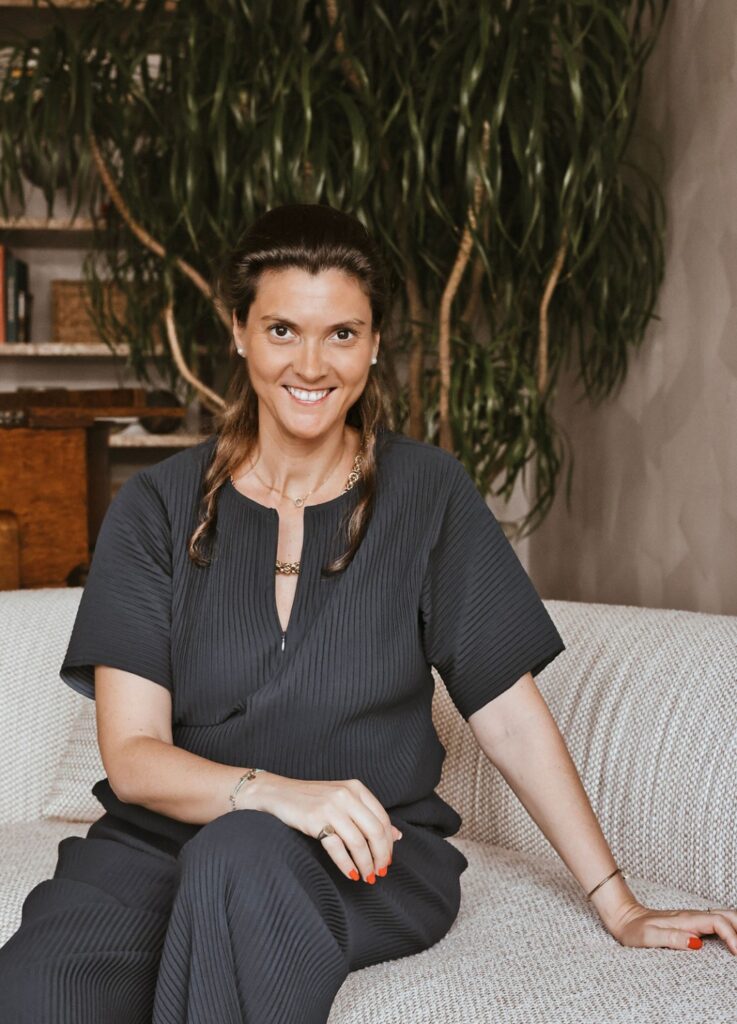
She is a featured speaker and panelist at multiple hospitality, development, UHNW investor and private real estate events around the world. She is an established industry insider, consultant and trusted advisor.
Her advice for getting started is simple. Ask before you imagine. “Before any decision making for a new building, you must understand who will actually live there and why. What are the owner’s needs, and where are they coming from? Is this a primary residence, a second home or an investment? Why this destination, and what lifestyle is the buyer seeking,” suggests Daudid-Clavaud. Only then should the brand enter the conversation.”
That sequence matters at a moment when seemingly every building wants to become a residential brand. “Brand recognition doesn’t mean brand relevance,” Daudin-Clavaud cautions. A famous name can command attention without making sense for a particular buyer, place or project. “An automotive brand might translate performance, engineering, exclusivity and precision into a residential experience,” she says. “A heritage house such as Baccarat brings craftsmanship, provenance and culture. A hospitality company brings decades of service expertise, operational infrastructure and global recognition. Wellness and longevity brands potentially bring an entirely different organizing philosophy to the home.”
The point is not that one category outranks another, but that they should not produce the same residence. It also challenges one of the more conspicuous features of the current development cycle, the endless amenity list. “You don’t need so many different amenities,” she says, particularly when they’re unnecessary to the lifestyle or environment. A better approach is to discover which amenities make sense “for this brand, this buyer and in this destination.”
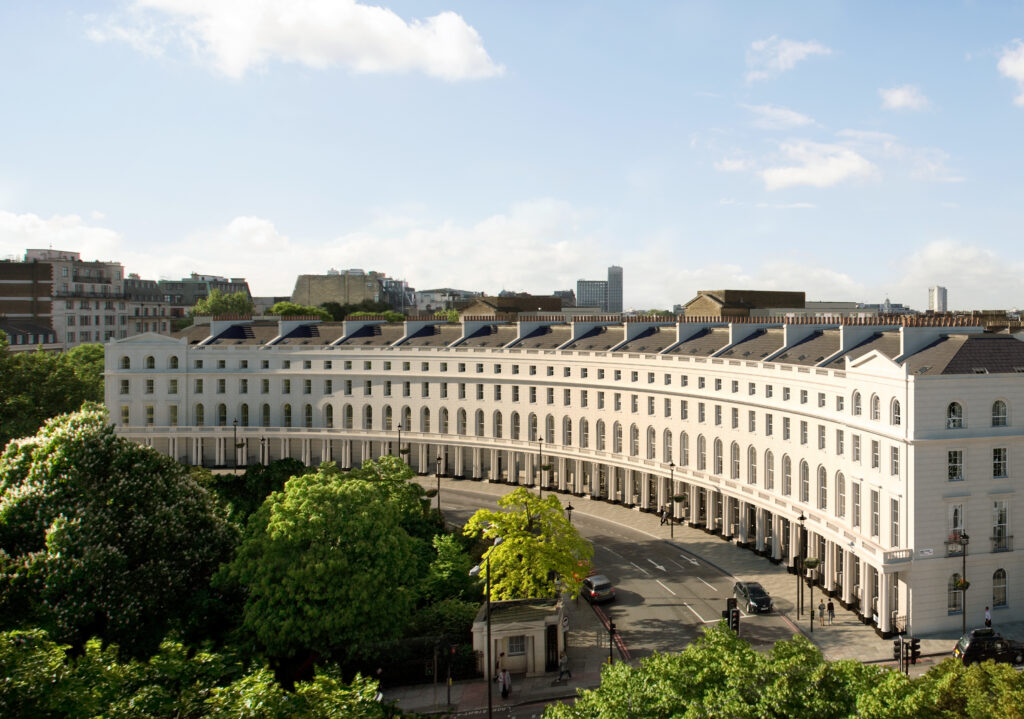
Daudin-Clavaud sees branded living moving away from a primarily sales-led model toward “operations, experience and brand execution.” The buyer is changing as well. “They don’t necessarily want more. They want better access, simplicity, seamless services and more time,” she says. She describes the shift in UHNW behavior this way: “Traditionally, luxury buyer priorities were recognition, reassurance and status. Today’s owner increasingly wants identity and experience.”
At the top of the market, home itself becomes fluid. An investor might own residences in Dubai, Milan, Bangkok and Portugal, perhaps adding a ski property for the family, a beachfront condo in a tax-safe region or coastal marina residence with room for the big boat. Together they form a seasonal rotation of familiar properties serving different purposes, while others are placed into investment models with rental management. For a buyer who already has access to leading hotels, restaurants, clubs and services, real luxury is the ability to remove the friction that stands between owner and enjoyment.
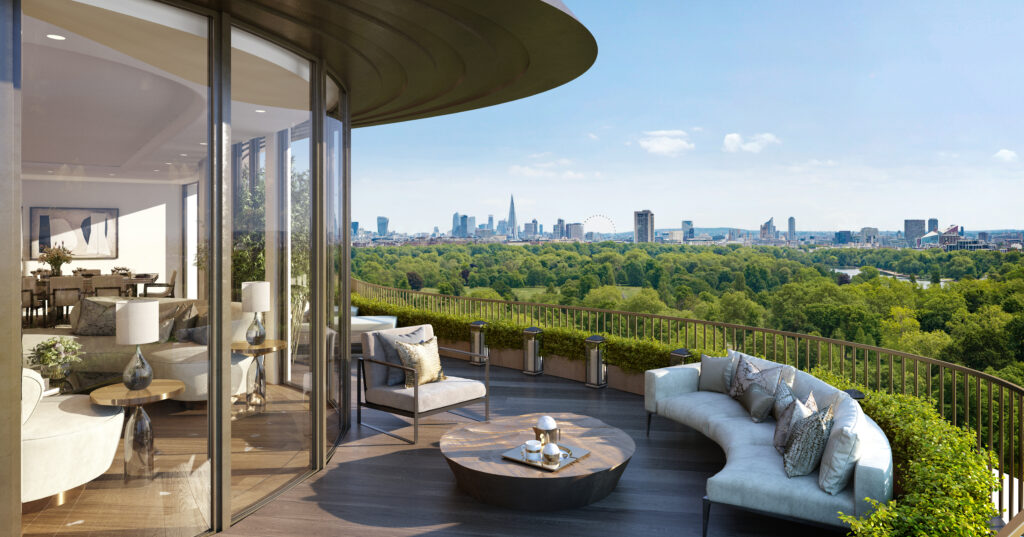
That makes the branded resident experience the real test, one that begins, rather than ends, at the sale. A popular brand can lend its name to a development, collect licensing fees and help generate a price premium, but residents and investors live with that promise for years, potentially decades. Beyond outstanding location and design, a project has to deliver on expectations for bespoke personal staffing, security with exemplary high maintenance standards, all working to sustain the branded community worth living in.
Hospitality brands have an obvious advantage of established operational cultures, trained teams and loyal guests. For non-hospitality brands, connecting brand expectation to daily execution is harder, and that is precisely where Rhodium sees an opening.
Rather than arriving as a third-party operator at the end, Rhodium works alongside the developer from the beginning, shaping something that can be designed, built, staffed and operated. “And if a brand plans to move from one residential development to five, ten or thirty-five around the world, somebody has to make sure that promise survives every market,” Daudin-Clavaud emphasizes.
Not every brand belongs in residential real estate. Rhodium’s first question is whether a brand’s equity can genuinely translate into residential life, and its criteria are direct. “Is it relevant? Is it authentic? Does it have long-term potential?” And if so, “Can you scale it beyond one project,” she muses?
The risk runs in both directions. A poorly executed building does not merely disappoint its developer or residents. It can affect the entire perception of the brand whose name is on the door. That helps explain why some sought-after luxury names remain cautious even as developers pursue them. Daudin-Clavaud points to examples such as Hermès a a brand house with an established and authentic old money lifestyle vocabulary, spanning equestrian, ski, marina, resort and retreat, that makes a residential translation easy to imagine. But powerful brand equity is precisely what makes getting it wrong so precarious. The more value earned across the brand’s history, the more there is to protect in the future.
As branded residences multiply, Daudin-Clavaud sees a dividing line emerging. The issue is not simply market saturation but a proliferation of undifferentiated branded residences. What will stand out is a long-term brand relationship paired with a reputation for consistent owner experience. “The next generation will have to earn its place through three things: authenticity, relevance & execution,” she explains.
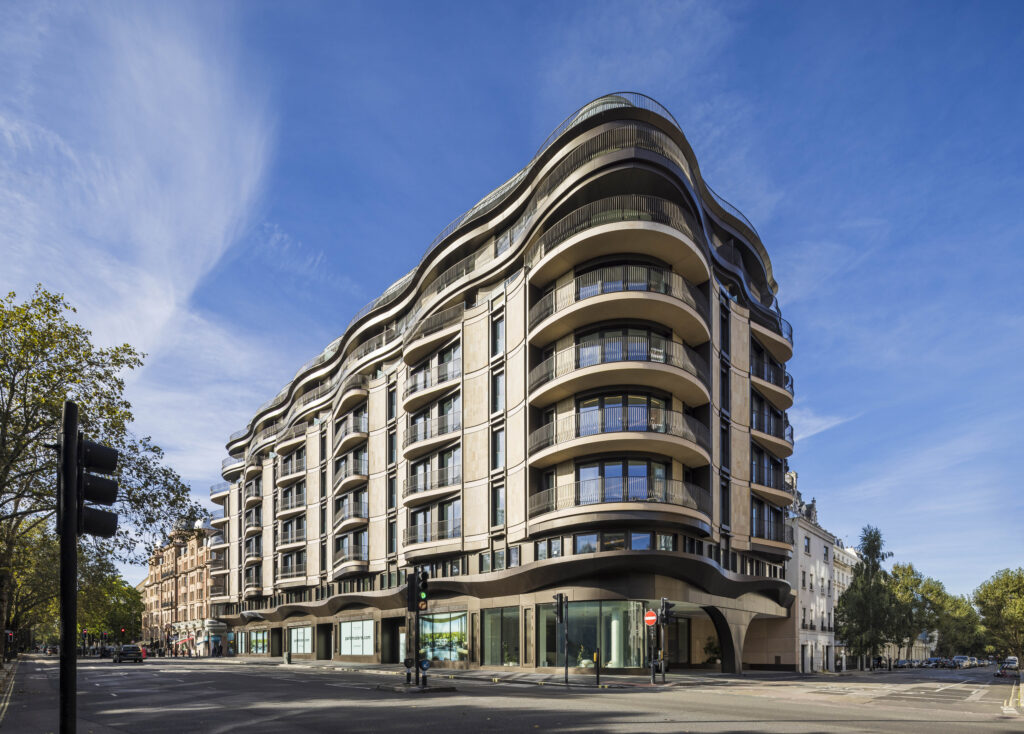
Emerging development concepts are clustering around coherent lifestyle propositions rather than a longer list of amenities. Daudin-Clavaud identifies three lifestyle magnets.
Culinary living extends food, hospitality and social culture naturally into the home, creating residences built around gathering, access and daily gourmet experiences rather than just a restaurant name attached to a building. Nobu and Cipriani Residences are examples.
Longevity and wellness goes well beyond another spa downstairs. Recovery, sleep, diagnostics, prevention and nutrition become part of the operating philosophy of the residence, across urban and resort settings, from Rivage Bal Harbour and Clinique La Prairie Residences to Aman and Six Senses Residences.
Heritage and craftsmanship allows houses with genuine provenance to translate materials, making and culture into a distinctive residential identity, in the vein of Baccarat, Riva, or Orient Express.
Each is a different interpretation of a life well lived, but all of them begin where Daudin-Clavaud does. Before the name, before the amenities, before the launch, the question is who is coming home and what they will expect when they arrive. The brands that can deliver will define what comes after the boom.