From Formula 1 simulators to Everglades playrooms, South Florida’s branded residences are designing dedicated spaces for teens and kids as a sales driver.
There was a time when a hotel’s concession to young guests, young kids to teens, began and ended with a coloring placemat and a promise of the pool later. That era is ending at the country’s newest branded residences, where the junior members of the household are no longer squeezed between the spa and the wine room as an afterthought. They are a line item in the design brief, with square footage, budget, and a brand name of their own attached.
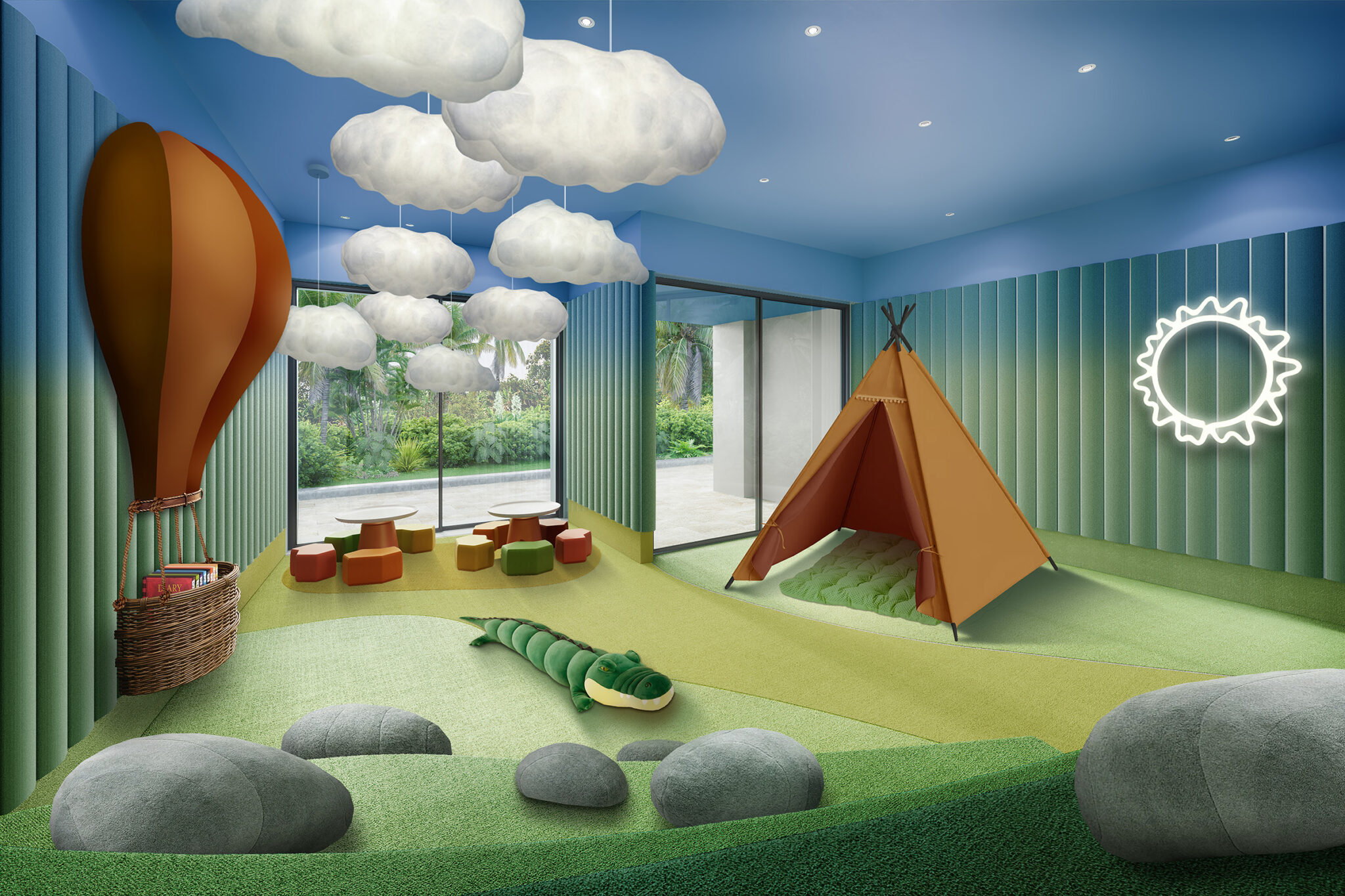
At The Ritz-Carlton Residences, Naples, that line item is a dedicated teen room built around a Formula 1 racing simulator, developed in partnership with Team Red Bull’s technical staff and marketed to buyers as “The Ultimate Teen Room.” The space adds video gaming stations calibrated for real competitive play, not a single console pushed into a corner. One level down in age, the building’s Everglades-themed children’s room takes its cues from the wetlands just beyond Naples’ manicured edges, laying out defined zones for free play, arts and crafts, and open-ended imaginative activities. The building, a joint project between Ritz-Carlton and STOCK Development on Naples Bay, reportedly moved 50 percent of its units and roughly $250 million in sales within 90 days of launching preconstruction — an early signal that amenities aimed squarely at teenagers were resonating with the buyer pool.
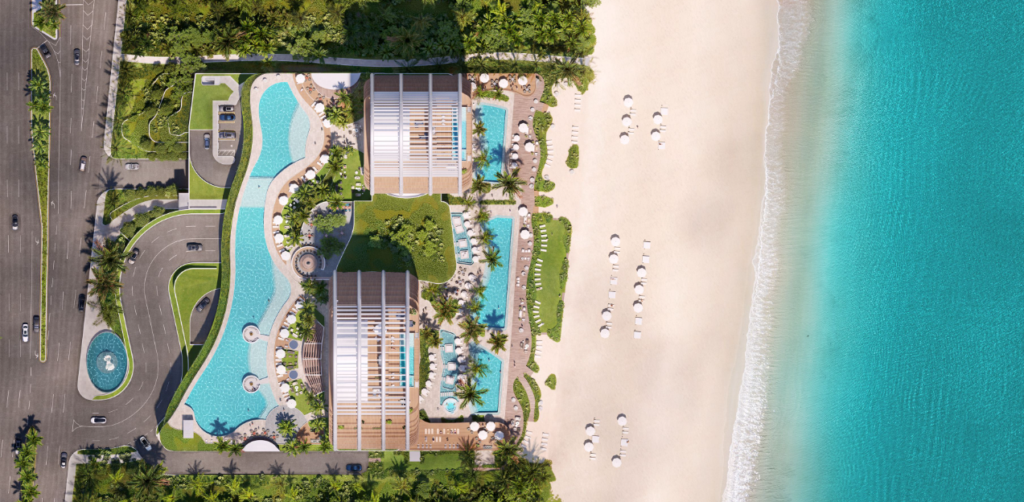
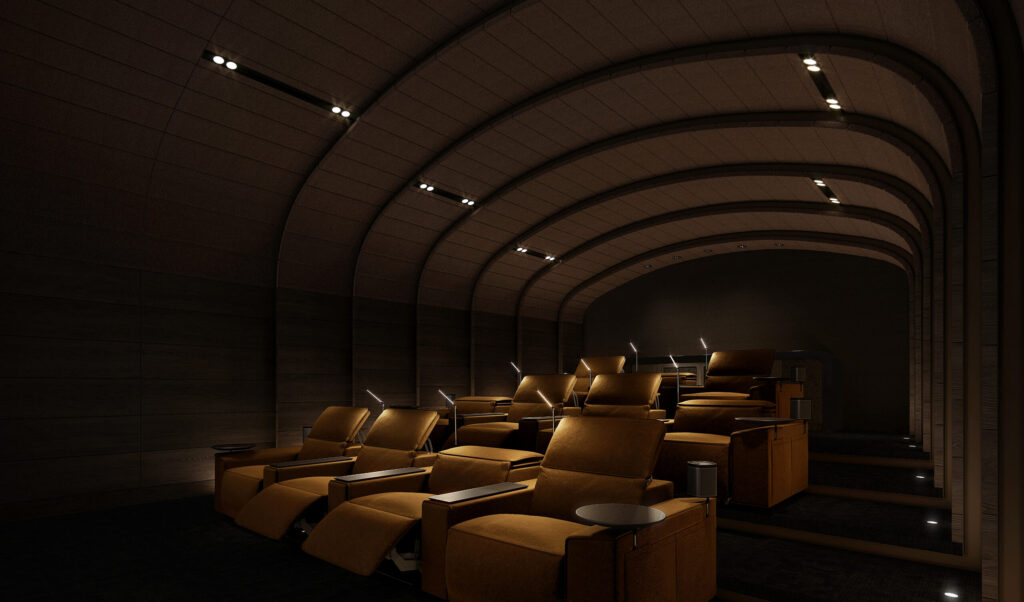
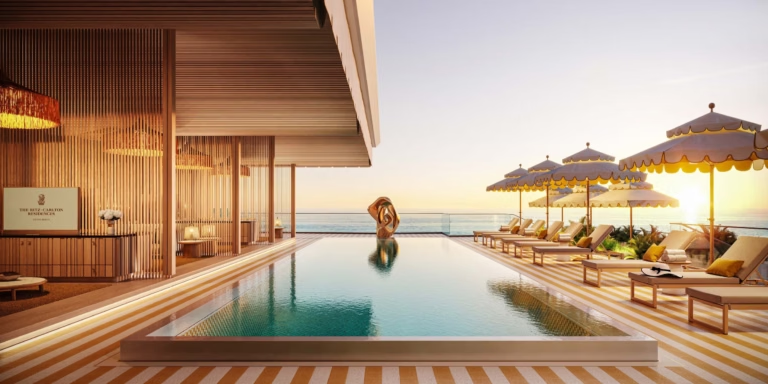
The St. Regis Residences, Sunny Isles Beach, answers the same brief with year-round infrastructure rather than a single showpiece. Its Kid’s Club runs programmed games and activities on an ongoing basis, not as a seasonal flourish tied to spring break or summer. The building’s game room pairs golf and racing simulators with virtual reality stations, a separate children’s pool sits beachside, and a fourteen-seat private theater handles movie nights. Families who want additional supervision can book on-call nanny and childcare services through the building’s concierge menu. Taken together, it functions like a resort’s children’s program relocated permanently into a residential tower, running for the life of the building rather than for a single week of vacation.
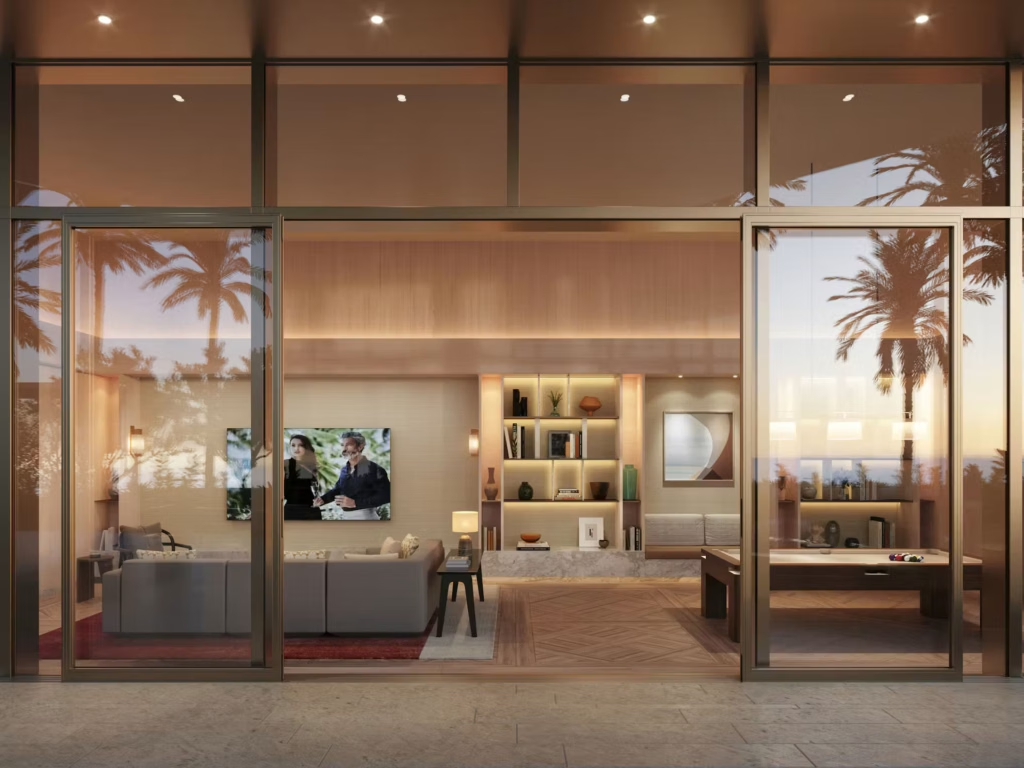
The concentration of these amenities in South Florida reflects the sheer volume of new branded towers there rather than a purely regional taste. At 888 Brickell by Dolce & Gabbana, the amenity program includes defined social zones alongside private corners, built to accommodate both a teenager’s need for company and their occasional need for quiet. The Residences at 1428 Brickell has taken a more domestic approach, building a media room where lighting, seating, and acoustics received the same design attention as the building’s residential interiors.
Five Park Miami Beach has carved out teen spaces styled after a compact club lounge, giving older kids a measure of independence while keeping them inside the building’s supervised footprint. The Perigon Miami Beach, consistent with its privacy-first positioning, uses a reservation system to manage traffic through its media and teen areas. In Sunny Isles, The Estates at Acqualina and Turnberry Ocean Club have scaled their teen lounges to match their larger amenity footprints, running them more like staffed social clubs than simple lounges — a direct bet on multigenerational households as buyers.
The logic behind the investment is straightforward. Branded residences sell overwhelmingly to families who already know what a well-run resort delivers and expect the same standard from a home priced in the eight figures. A teenager who is engaged and entertained elsewhere in the building is worth real value to a household’s day-to-day comfort, and developers have priced that value into their amenity budgets accordingly — treating a racing simulator or a staffed media room as a sales driver on par with a private elevator or a wine cellar, not a nice-to-have tacked on at the end of planning.
It also marks a shift in what “family-friendly” means at the top of the market. An earlier generation of luxury towers treated children’s amenities as a compliance checkbox: a small playroom, perhaps a wading pool. The current wave treats adolescence as its own design category, distinct from early childhood, and builds for it specifically — simulators in place of sandboxes, lounges in place of playrooms, programming scheduled for an ordinary Tuesday as readily as for a holiday week.
The message to prospective buyers is direct. In this segment of the market, every age group in the household now has a dedicated space built for them, teenagers included.