Marriott’s The Luxury Collection’s first residences in the country will rise not in Saint-Tropez but above an oyster lagoon in the Languedoc. The location is the story.
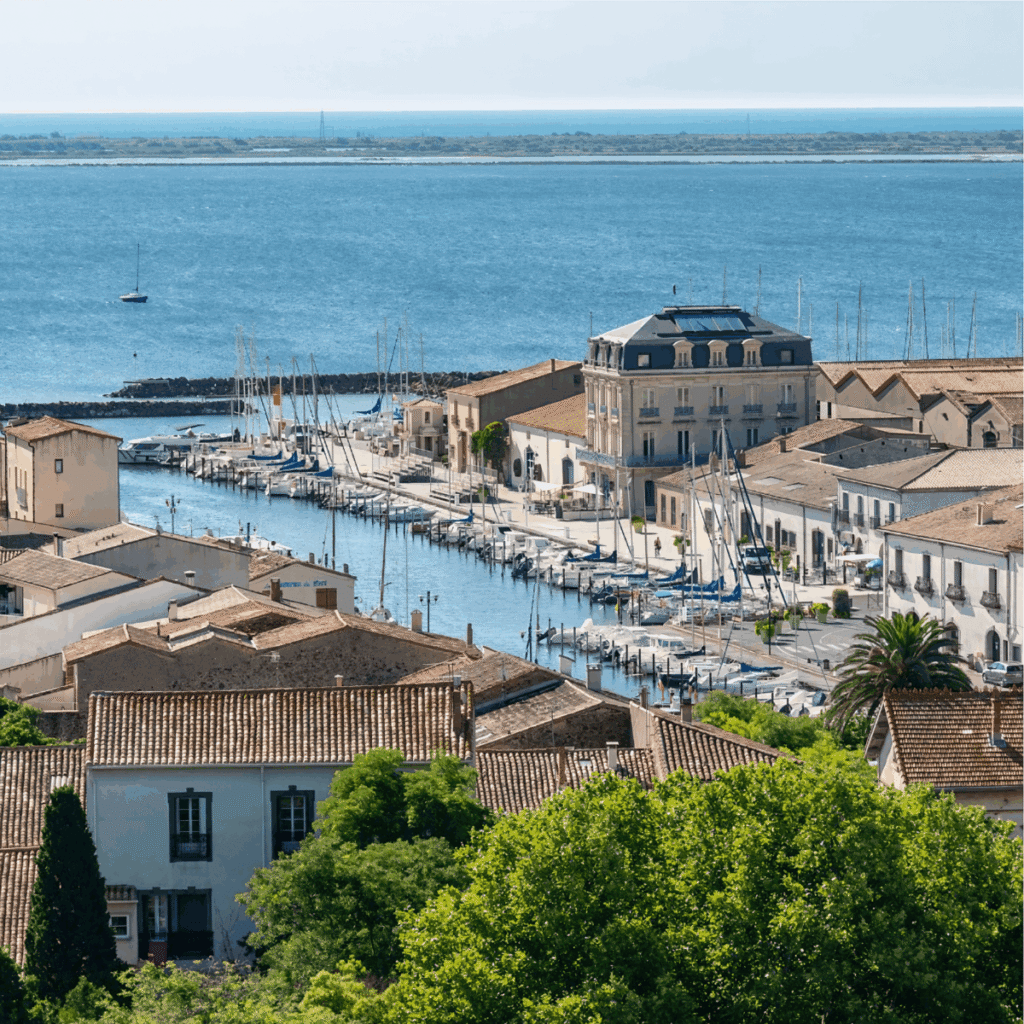
France has always been a strange absence on the branded residences map. The country that gave the world the Ritz, the palace hotel classification, and half the vocabulary of luxury hospitality has watched the sector boom in Miami, Dubai, and London while adding almost nothing to its own pipeline. This week, Marriott International moved to change that, signing with family-owned developer Propriétés & Coto bring The Luxury Collection Resort & Residences to Marseillan, a Languedoc fishing village on the Thau Lagoon.
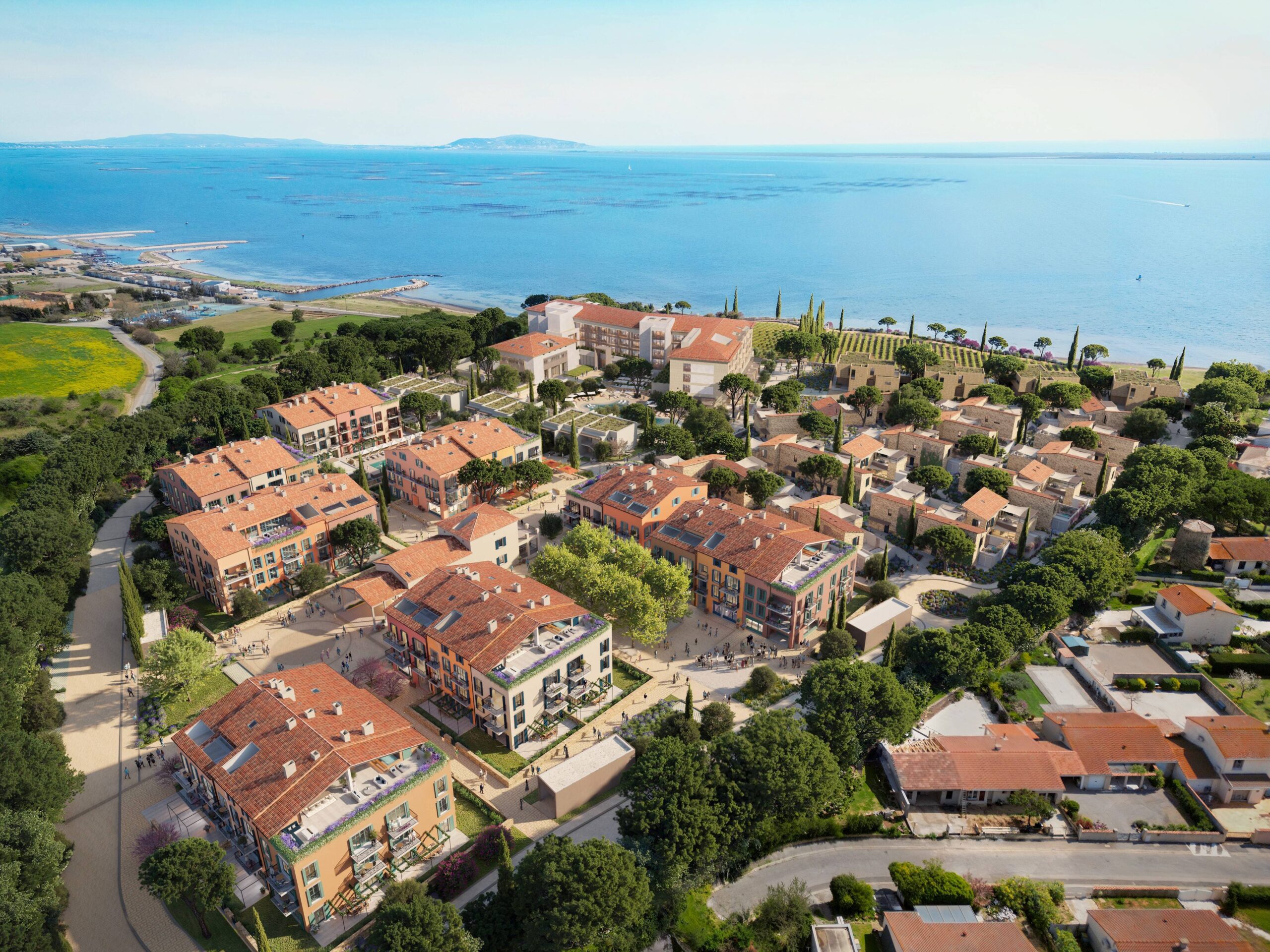
The location is the story. Marriott could have chased the obvious postcodes: Saint-Tropez, Cap Ferrat, the Paris triangle d’or. Instead, the brand’s first residences in France will rise on 15 acres above a lagoon best known for Bouzigues oysters and the Noilly Prat vermouth house, which has been aging its barrels in Marseillan’s sea air since the nineteenth century. The project’s planned oyster and sashimi bar, one of nine culinary venues, reads less like an amenity list entry and more like an acknowledgment of what the address already does best.
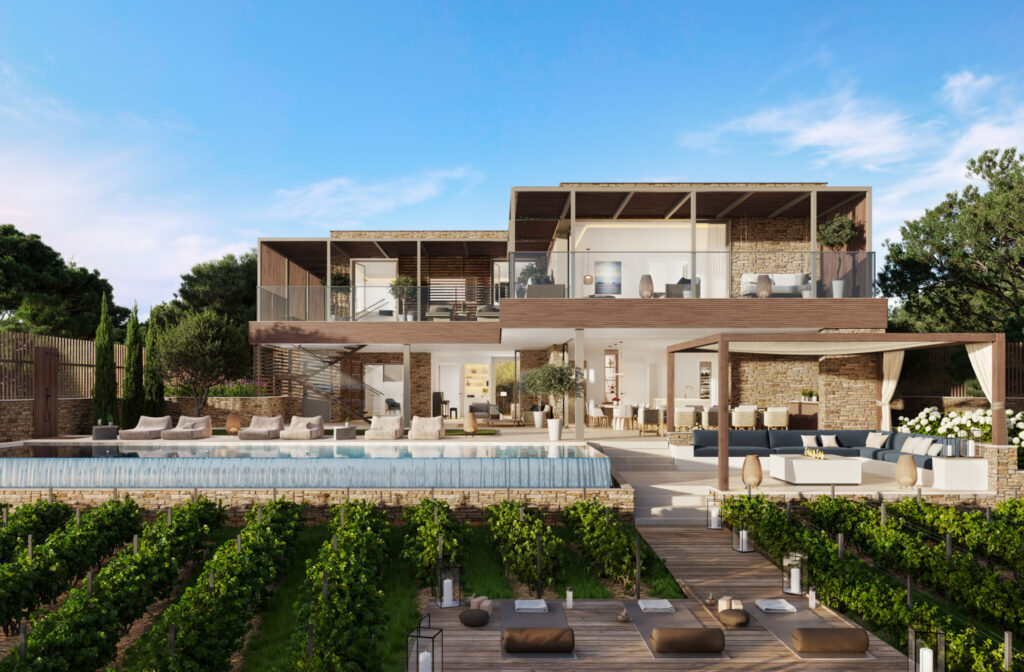
Scheduled to open in 2029, Port Marseillan pairs a 72-room hotel with 189 branded residences spanning waterfront villas, pool villas, garden suites, apartments, and penthouses. Slowlife Architects is designing the project around the region’s winegrowers’ houses, with stone façades, timber shutters, and wrought-iron detailing, while Barcelona-based Lázaro Rosa-Violán, the interior designer behind some of Europe’s most photographed hospitality spaces, handles the interiors. A 2,000-square-metre Roman-inspired spa, an art gallery, and boutiques round out the program.
“From the outset, our ambition has been to create a benchmark resort in Europe, not by reinventing the destination, but by celebrating the character, heritage and epicurean lifestyle that make it so special”
Miguel EspadaPresident of Propriétés & Co
One claim in the announcement deserves precision. Marriott’s release describes the project as introducing the first branded residences in France, but Six Senses Residences Courchevel has offered branded apartments and penthouses in the Alps since 2015. What Port Marseillan can rightfully claim is narrower and arguably more interesting: the first branded residences for Marriott in France, the first for The Luxury Collection, and the first resort-scale branded residential community in a country whose planning culture has kept the model at arm’s length. If French regulators and French buyers embrace this one, the dam matters more than the drop.
Last November, we argued that the next chapter of branded living would be written at village scale, not tower scale, and Mediterranean property specialist Timur Negru told us to expect the first major brand move by late 2026 or early 2027. Marriott arrived early. Port Marseillan is not a ghost-town acquisition, but its DNA is unmistakably the one we described: low-rise architecture drawn from winegrowers’ houses, a project pitched by its own developer as a natural extension of village life, and a brand betting that buyers now want a town square more than a lobby. The industry’s largest hotel company just endorsed the thesis in stone and terracotta.
The site selection tells the same story. The Côte d’Azur is supply-constrained and priced accordingly; the Languedoc, 35 minutes from Montpellier’s airport and stretched between the Riviera and Catalonia, offers the same sea, 300 days of sunshine, and land that still pencils. Hotel du Couvent’s acclaimed 2024 opening in Nice gave The Luxury Collection its proof of concept for character-driven French properties. Port Marseillan, the brand’s fourth in the country, bets that the next era of Mediterranean resort living gets written in places the yachts haven’t found yet.
The question we’ll be asking between now and 2029: whether 189 residences can join village life in a town of about 8,400 without rewriting it. Espada says the ambition is not to reinvent the destination. Marseillan’s oyster farmers will be the judges of that.
Sources: Marriott International press release, Paris, 9 July 2026; INSEE 2023 census (Marseillan population 8,414); Branded Living, “The Next Logical Step for Luxury Brands Isn’t a Tower. It’s a Village,” November 2025.