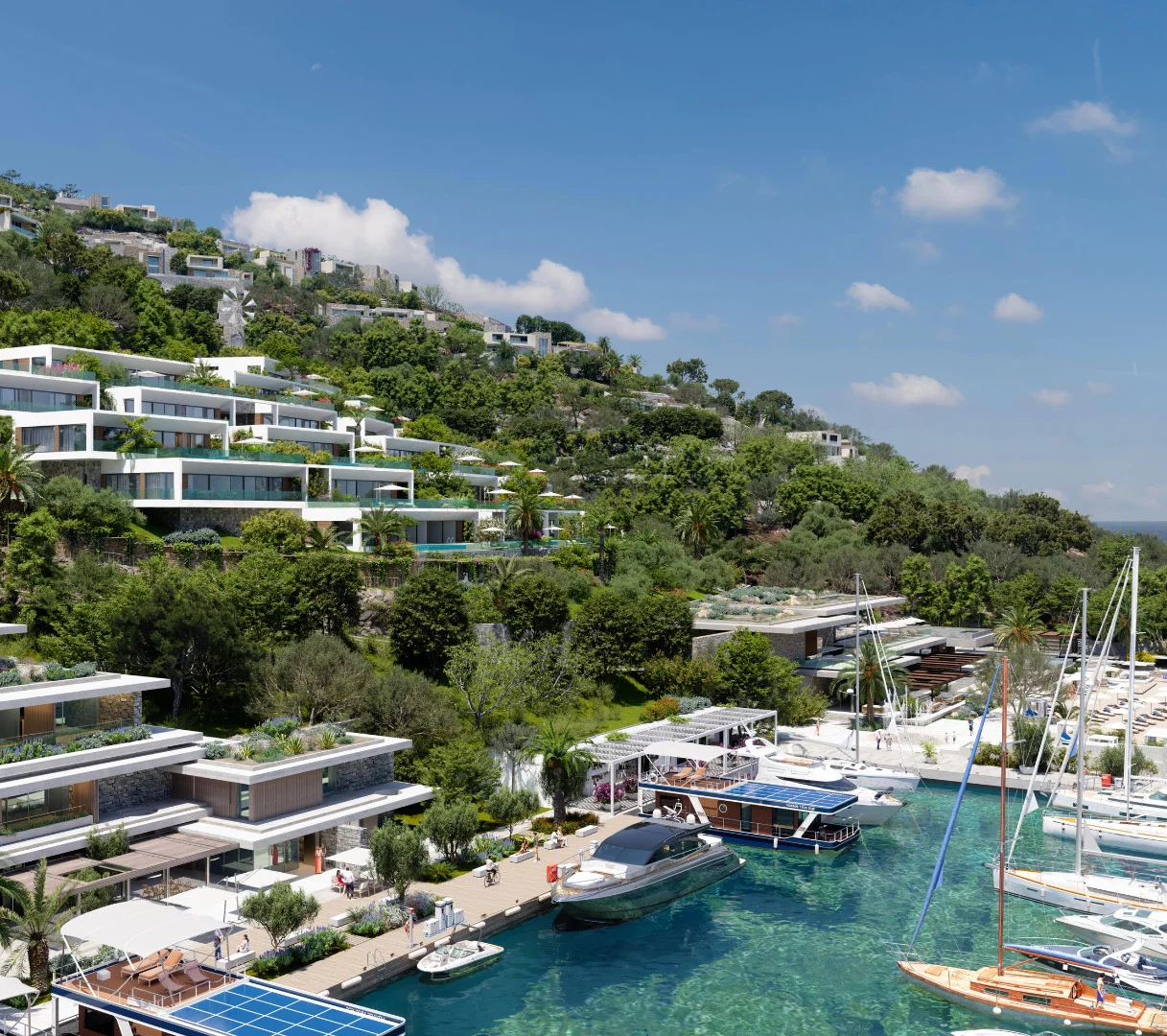
The Mediterranean sun casts a golden glow on the shores of Crete, where the allure of a healthier lifestyle draws discerning buyers toward Elounda Hills. Here, amidst the island’s rich history and natural beauty, a new paradigm in real estate is emerging—one that prioritizes longevity in both life and living environment. As affluent buyers increasingly seek homes that support not just their present but their future, the real estate landscape is shifting from mere amenities to a focus on the very destinations that nurture well-being.
A Shift in Perspective
According to Sotheby’s International Realty’s 2026 Mid-Year Luxury Outlook, today’s ultra-high-net-worth individuals are increasingly holding onto their properties longer, reflecting a broader trend towards planning for extended, healthier lives. The report highlights that these buyers are gravitating toward locations that facilitate aging in place, emphasizing the importance of access to healthcare, nature, and community.
This evolution reflects a growing understanding of how our surroundings influence our health and happiness. The global longevity economy, projected to expand from $5.3 trillion to $8 trillion by 2030, speaks to a burgeoning market that aligns with this new vision of living. The wellness real estate sector alone is anticipated to surpass $1.1 trillion by 2029, indicating that the intersection of health and housing is no longer a niche market but a mainstream consideration.
Communities Designed for Living
Across the globe, a diverse array of branded residences are responding to this trend by leveraging their unique environments to foster healthier lifestyles. In Greece, Elounda Hills stands out not just for its breathtaking views but for its commitment to promoting well-being through its location. The island’s Mediterranean diet and outdoor lifestyle have long been associated with longevity, making it a fitting choice for buyers seeking more than just a home.
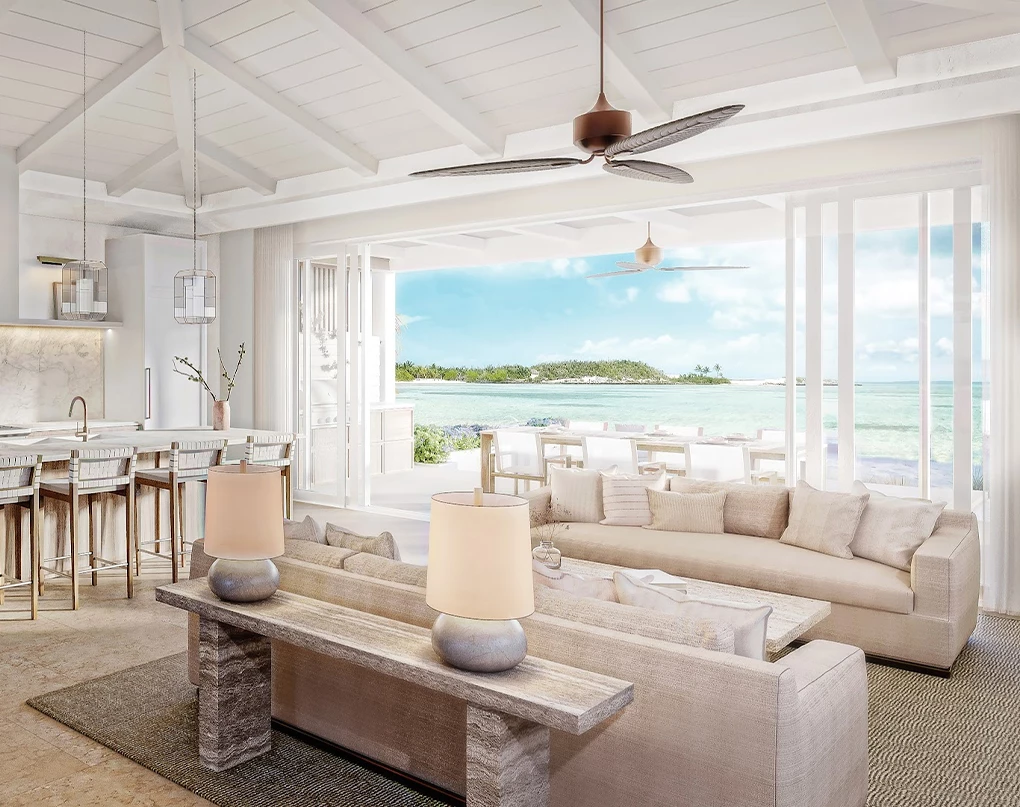
Similarly, the Montage Cay in the Abacos offers a private-island experience that prioritizes outdoor recreation. Set within a 53-acre natural environment, its design encourages residents to embrace the outdoors, with a spa menu that incorporates local ingredients—an embodiment of wellness rooted in place.
In Mexico, the Mandarin Oriental Residences Kanai, Riviera Maya takes a different approach by positioning its homes within a protected mangrove ecosystem. Here, the design philosophy connects residents with nature not through conventional wellness amenities but through the surrounding landscape itself, promoting a sense of harmony that is essential for well-being.
The American Landscape
In the United States, developments like One Beverly Hills and The Stockman, Auberge Collection in Steamboat Springs, exemplify how urban and rural settings can both prioritize health and community. One Beverly Hills transforms its 10 acres into a botanical garden, creating an urban oasis that encourages walking and outdoor activity amidst the bustle of Beverly Hills. The integration of expansive open spaces with urban living is a testament to the growing recognition of nature’s role in our daily lives.
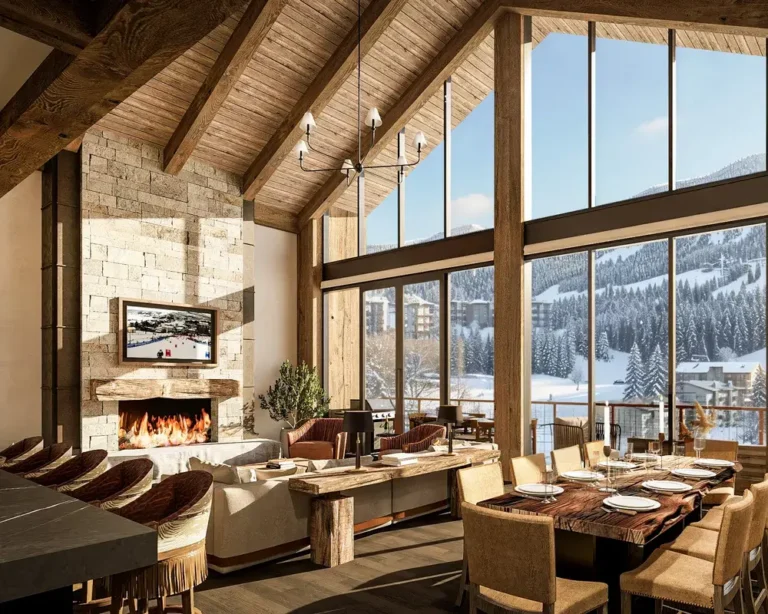
Meanwhile, The Stockman in Steamboat Springs is tailored for those who seek an active lifestyle in a four-season mountain community. With ski-in, ski-out access and proximity to hiking trails and hot springs, this development underscores the importance of outdoor recreation in fostering a vibrant community.
Connecting the Dots
What ties these projects together is a fundamental understanding of the relationship between environment and well-being. As buyers redefine what it means to invest in real estate, the focus is shifting from the mere aesthetics of a property to how a location can enhance quality of life. The integration of health-focused amenities, access to nature, and community engagement are becoming the new benchmarks for what constitutes desirable living.
Moreover, this trend reflects broader societal shifts. With increasing awareness around health and wellness, buyers are looking beyond traditional markers of success and are instead investing in real estate that aligns with their values and aspirations for longevity. It’s a movement that recognizes that our homes are not just places to live—they are integral to our overall health and happiness.
Looking Ahead
As the longevity economy continues to grow, the branded residences sector is poised to evolve in tandem. Developers and designers will increasingly need to consider how their projects can contribute to a healthier lifestyle, not just through amenities but through thoughtful integration with their surroundings. The emphasis on community, nature, and well-being will likely shape the future of luxury real estate, making it essential for industry insiders to remain attuned to these shifts.
In this landscape, the question for buyers will not only be where they want to live but how their chosen location can support a vibrant, healthy life for years to come. As we look to the future, it’s clear that the destinations we choose will play a pivotal role in shaping our experiences—not just today, but for decades ahead.