There’s a particular kind of cultural gravity that only a handful of brands have managed to generate in the last decade. Anantara is one of them, though not by design, exactly. The Minor Hotels brand didn’t orchestrate its moment in the American imagination. HBO did that, when it chose Koh Samui as the setting for the third season of The White Lotus.
What followed was something the hospitality industry can rarely manufacture: genuine desire. Not for the show’s fictional Celadon Resort, but for the real thing underneath it: the textures, the rituals, the particular quality of light that made viewers pause and, eventually, start asking different questions. Could I stay there? Could I live somewhere that feels like that?
One Thousand Group was paying attention.
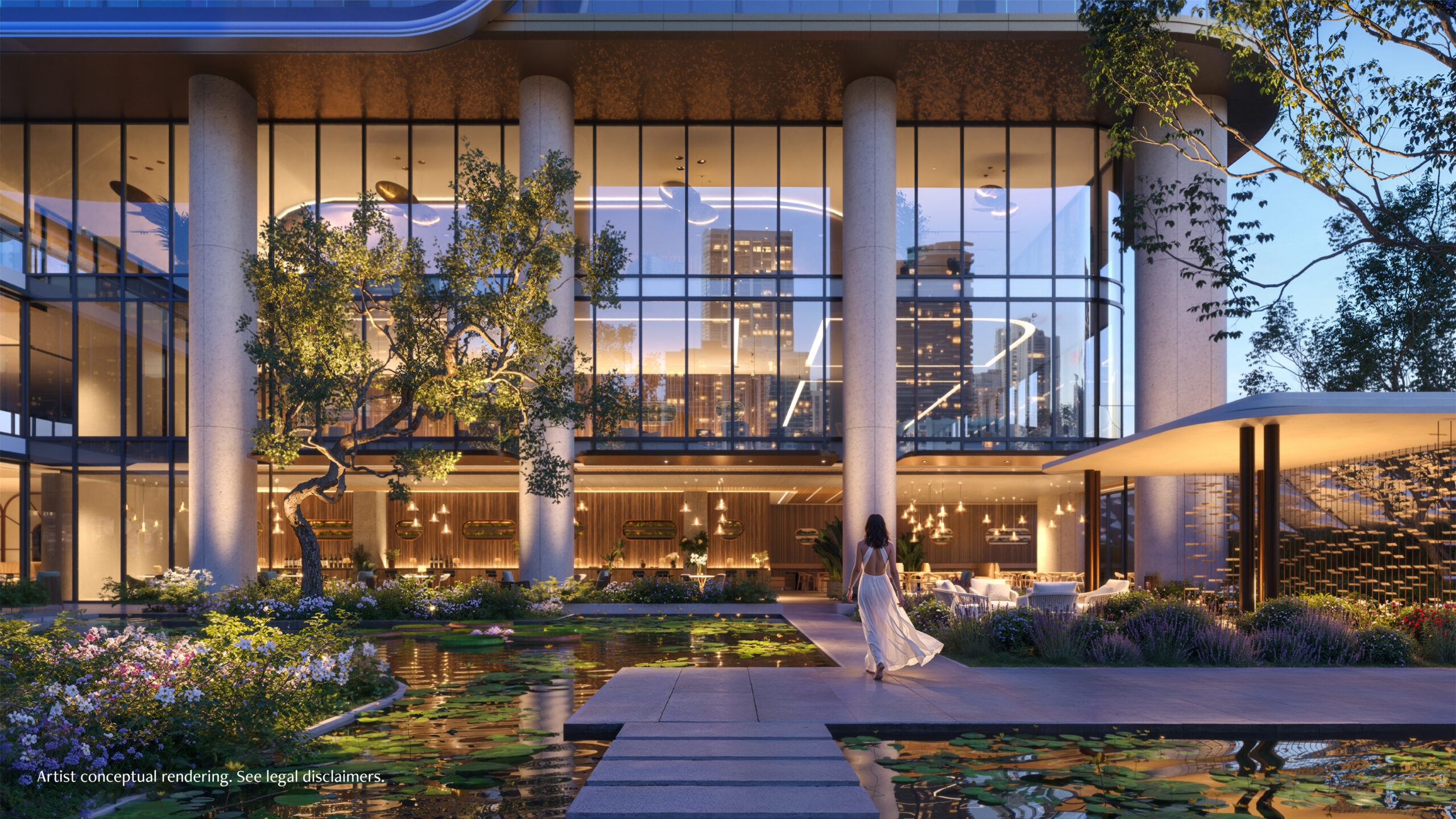
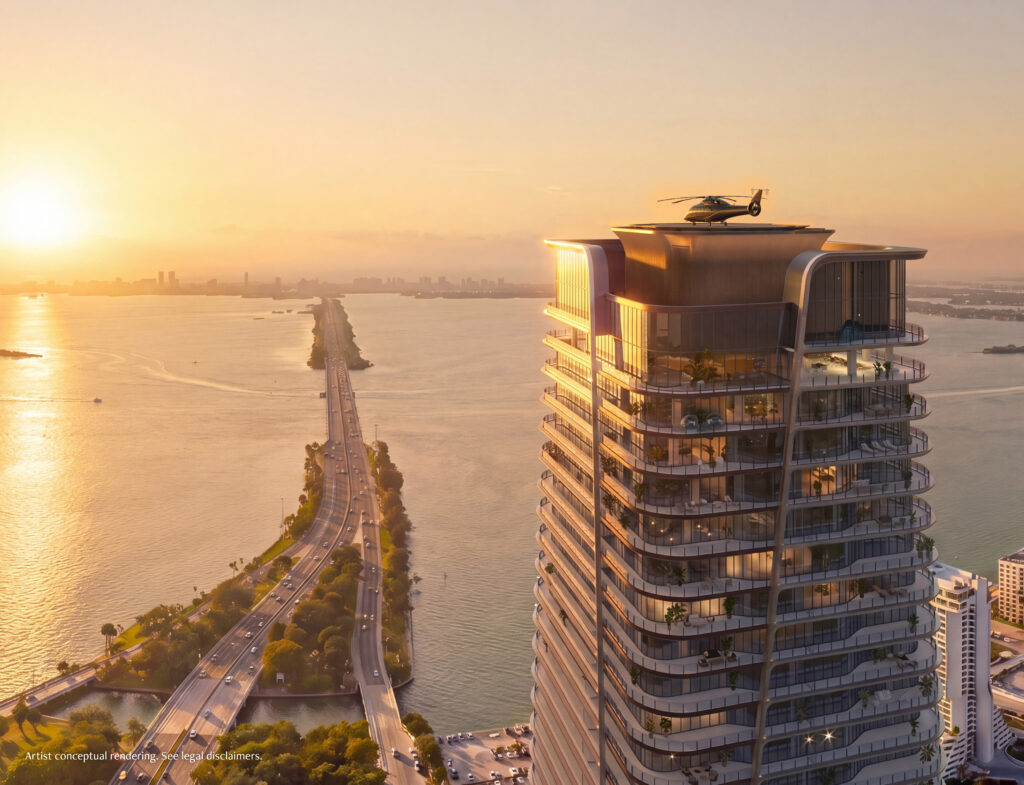
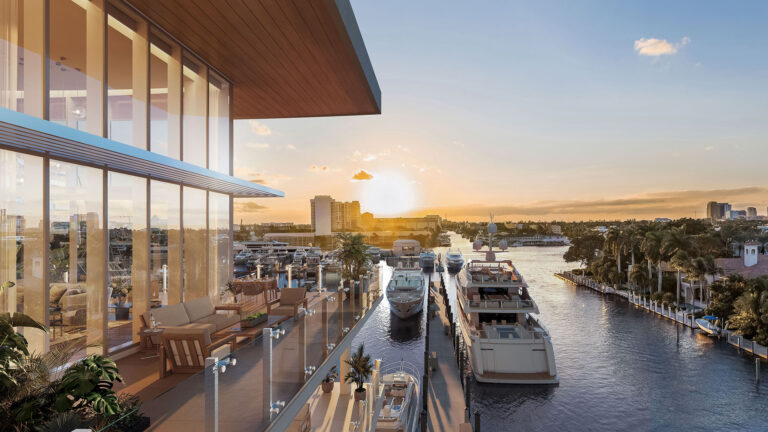
The Miami-based developer behind One Thousand Museum, Zaha Hadid’s final residential project, has spent fifteen years building towers. Their latest project, announced today, is Anantara Miami Resort & Residences: a 50-story, 650-foot tower rising at the convergence of Edgewater, the Design District, and Wynwood, with 100 private condominiums, 120 resort residences, and 50 boutique hotel suites. Sales are expected to launch later this year through ONE Sotheby’s International Realty, with a 2030 opening.
The brand fit is not incidental. Anantara, which takes its name from the Sanskrit for “without end,” has built its global reputation on properties that are genuinely rooted in place; in the healing traditions, material cultures, and landscapes of their locations. That philosophy translates into something specific in Miami: a vitality and longevity program anchored by what the brand calls nam jai, the Thai concept of selfless generosity. Water from the heart. It sounds like marketing until you understand that Anantara has spent 25 years making it operational.
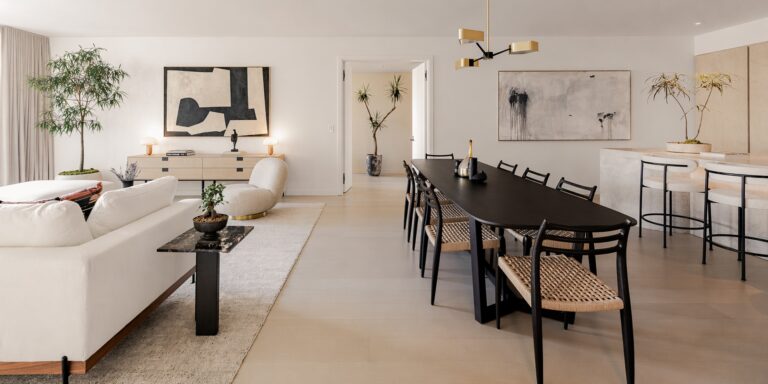
The design team reflects the ambition. Architecture comes from Kohn Pedersen Fox, the firm behind One Vanderbilt in New York and the Lotte World Tower in Seoul, working alongside ODP Architecture & Design. Interiors are by Patricia Urquiola—and this particular detail matters more than it might appear: it marks her first residential project in the United States, bringing a designer whose work has shaped contemporary hospitality at the highest level to the Miami market.
The building is structured to blur the lines between hotel stay and private ownership. Hotel suites occupy the lower floors; resort residences—which owners may make available to hotel guests—sit above; private condominiums crown the tower. It’s an approach that asks buyers to think differently about what a home in this city can provide, and what the brand partnership actually delivers beyond a name on the porte-cochère.
What it delivers, if Anantara’s track record holds, is a level of service that has already proven it can make people rearrange their lives.
That’s the quieter story here. The White Lotus halo will generate attention, and it’s real attention, the kind that comes from genuine cultural resonance rather than a placement strategy. What One Thousand Group is building is an argument for a different quality of daily life. The infinity pool matters less than the pool attendant who understands what kind of morning you’re having.
Miami has absorbed a great deal of luxury in recent years. What it hasn’t had, until now, is a brand that arrived having already made 100 million people want to be somewhere like this.
For more information, please visit www.anantaramiami.com.