Why Canadians are abandoning the Florida snowbird trail and buying into a new era of branded luxury across the Caribbean and Mexico — and the five residences redefining what second-home ownership looks like.

Why Canadians are abandoning the Florida snowbird trail and buying into a new era of branded luxury across the Caribbean and Mexico — and the five residences redefining what second-home ownership looks like.
|
Getting your Trinity Audio player ready...
|
To understand why Canadians are redirecting their real estate ambitions into the Caribbean and Mexico, it helps to understand something about where they are no longer going — and why. This is, at its core, a story about what happens when the world’s longest and most historically comfortable bilateral relationship encounters a period of profound friction.
Beginning in early 2025, the United States imposed sweeping tariffs of 25 percent on a broad range of Canadian goods, triggering responses that reverberated far beyond trade policy into the fabric of everyday Canadian life. Travel advisors across Canada reported dramatic drops in U.S.-bound reservations. Airlines reconfigured their routes, with WestJet cutting U.S. capacity by 19 percent and Flair Airlines by 58 percent. Vehicle crossings at the border fell 30 percent year-over-year. Canadians — responsible for $20.5 billion USD in annual U.S. tourism spending — began spending their travel dollars somewhere else.
The distinction matters: this is not a story about anger or political posturing. It is a story about how disruption to established patterns of behaviour creates space for new behaviours to take root. The Caribbean and Mexico now find themselves as the obvious, available, sun-drenched beneficiaries of a recalibration that neither side of the border fully anticipated.
For decades, the path was well worn: when the first frost hit Toronto or Vancouver, Canadians packed their bags for Florida — Fort Lauderdale, Naples, Sarasota. The American Sun Belt held a near-monopoly on the Canadian snowbird’s imagination, and their wallets. Then came the tariffs, the trade tensions, and a quietly gathering sense that travel and investment choices deserved a broader reconsideration. What has emerged in its place is something more interesting — and considerably more glamorous.
New data tells a striking story: Canadian travel to non-U.S. destinations, including the Caribbean and Mexico, rose 10 percent in 2025, continuing into early 2026 even as U.S.-bound travel declined significantly. Toronto to Cancún has become Mexico’s single busiest international air route. Travel advisors report clients prioritising destinations offering stronger value, lifestyle appeal, and ease of access. The Caribbean, with its proximity, favourable exchange rates, and widespread citizenship-by-investment programs, has long appealed to Canadian buyers. But something has shifted qualitatively. Canadians are no longer simply renting two weeks in Turks and Caicos — they are becoming stakeholders.
The timing aligns with a broader market force: Caribbean rental and vacation home demand has risen more than 20 percent year-over-year, driven in part by remote work and lifestyle migration. Developers have responded with a new wave of branded residential offerings that would not look out of place in Monaco or the Maldives. Here, we go inside five of the most significant properties defining this moment.
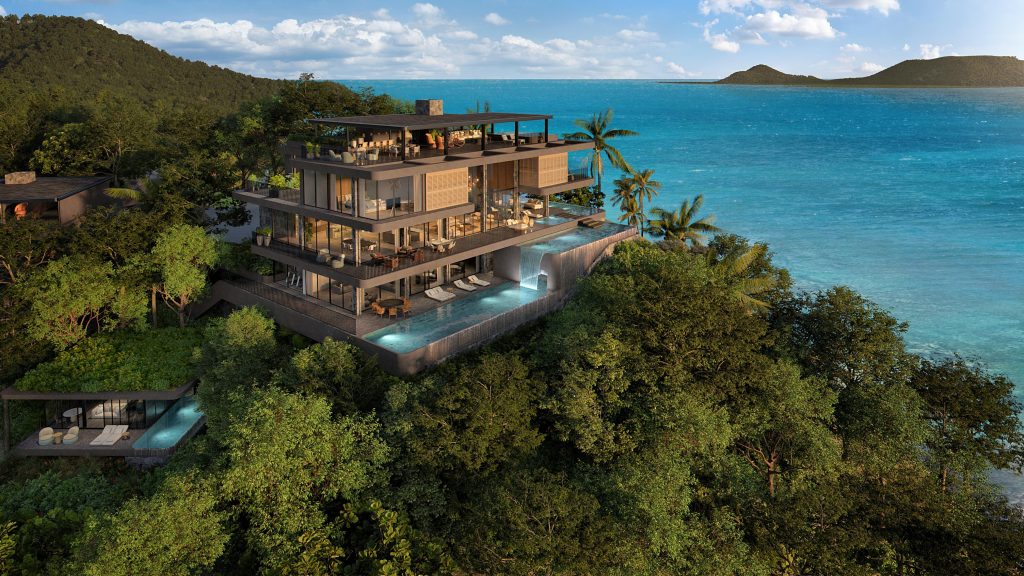
Set on 55 pristine acres along the Gulf of Papagayo — where volcanic ridges dissolve into emerald water and tranquil mangroves — this marks the debut of St. Regis in Costa Rica. The resort, designed by Sordo Madaleno Arquitectos with interiors by Gensler, encompasses 143 fully furnished residences ranging from two to five bedrooms, each with a private plunge pool and uninterrupted ocean views. At the apex sits the Astor Mansion: a 21,161-square-foot, six-bedroom estate priced at $30 million, set to become the most expensive property in the country.
Owners gain access to the exclusive Volcano Club, the iconic St. Regis Bar and Speakeasy, a nature-inspired spa with heat and cold pools, a Wellness Golf® course, a racquet club, and a Papagayo zipline zone. Opening early 2027, just 25 minutes from Guanacaste International Airport.
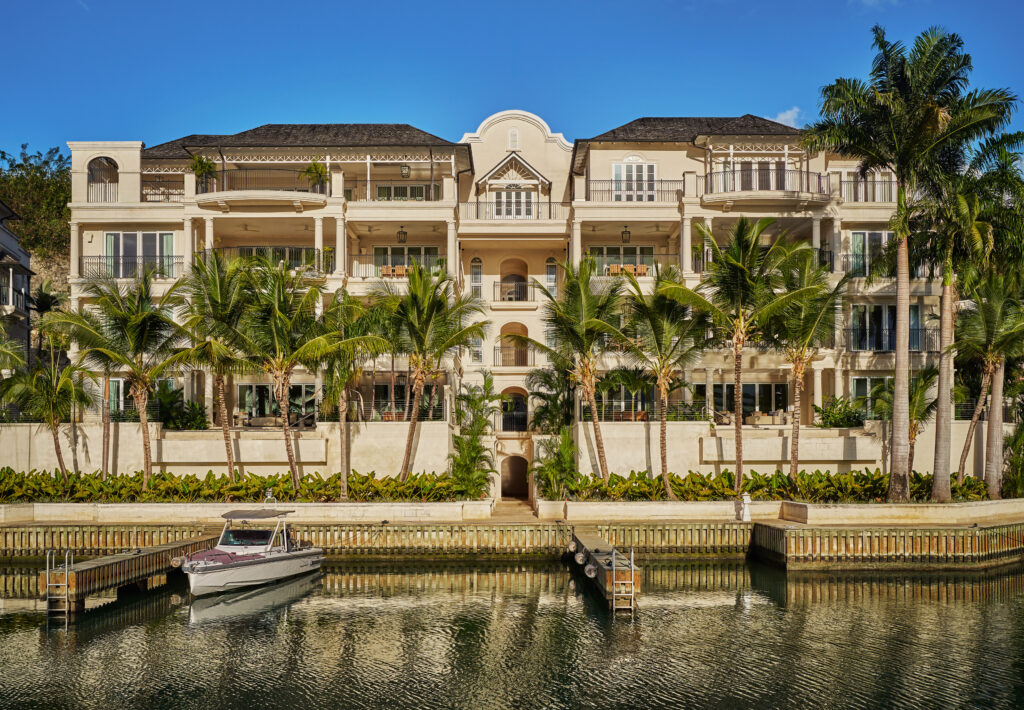
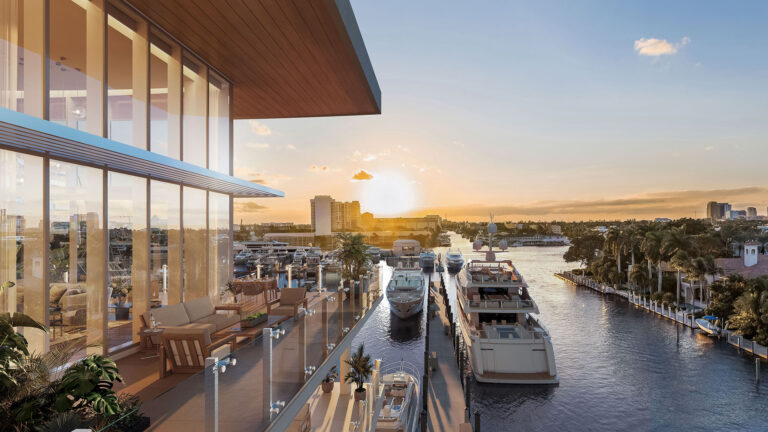
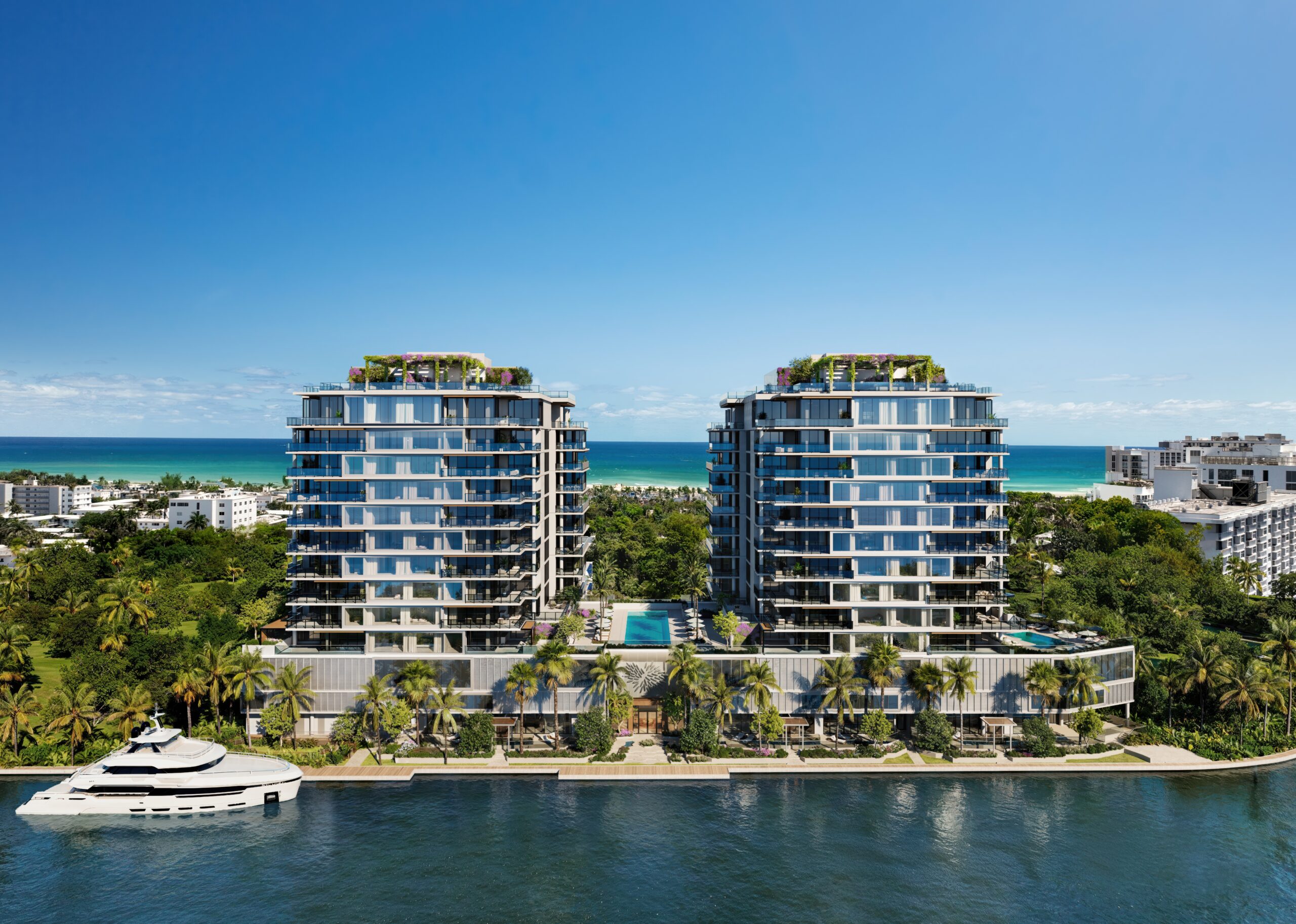
The first international residential offering from Pendry Hotels & Resorts — and Barbados’s first branded marina-front residence — Pendry Residences Barbados announces itself with a 110-berth private marina, home to the Pendry Yacht Club. Positioned along Barbados’s celebrated northwest Platinum Coast near historic Speightstown, the development comprises 46 whole-ownership, fully furnished residences ranging from two to five bedrooms, with the hotel designed by architects Robert Glazier and HKS, and interiors designed by Studio Munge.
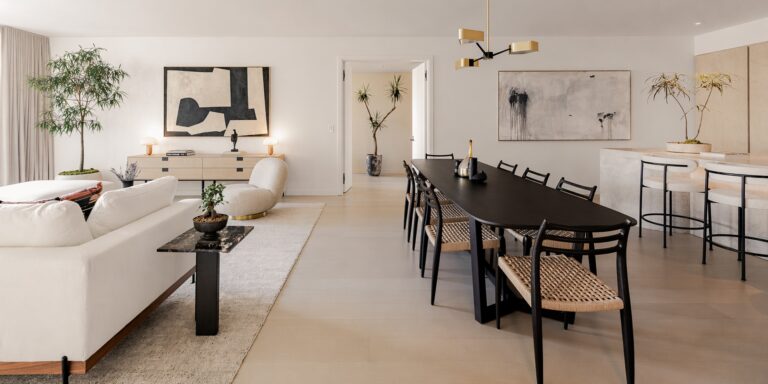
The Residences interiors will be fully furnished with RH, emphasizing open living areas, expansive terraces, and refined Caribbean materials — marble, limestone, coral stone. Adjacent to the 80-room Pendry Barbados hotel (opening 2027), owners access Spa Pendry, the Paintbox Children’s Club, Compass Sports, and multiple dining venues. Several residences are already move-in ready.
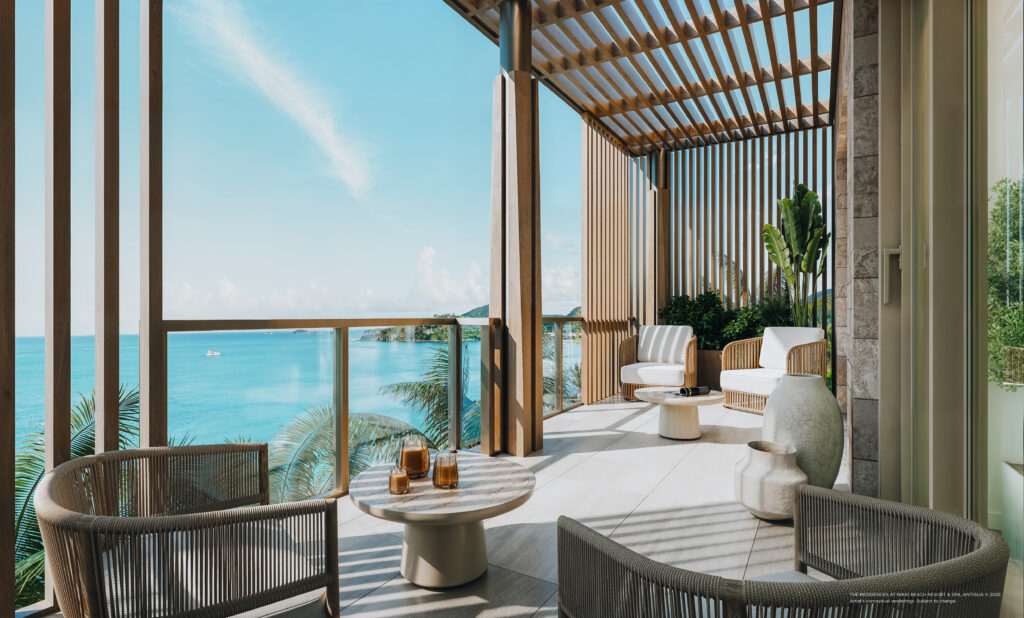
A $400 million vision for the Caribbean’s next great destination: The Residences at Nikki Beach Resort & Spa Antigua represents the brand’s first resort in the Western Hemisphere, and Antigua’s first branded residential development. Located along Jolly Beach — a mile-long stretch of powdery white sand — the project brings Nikki Beach’s signature philosophy to everyday island living. Designed by HKS Architects with interiors by ROAM Interior Design.
The development comprises 134 residences — 127 one- to three-bedroom homes alongside seven four-bedroom beachfront villas — plus 84 hotel rooms. Residents enjoy an 11,000-square-foot Nikki Spa and Wellness Centre, direct beach access, four restaurants, cryo and hyperbaric therapy rooms, and a yoga deck. Qualifying purchases unlock eligibility for Antigua’s Citizenship by Investment Program, granting visa-free access to over 150 countries.
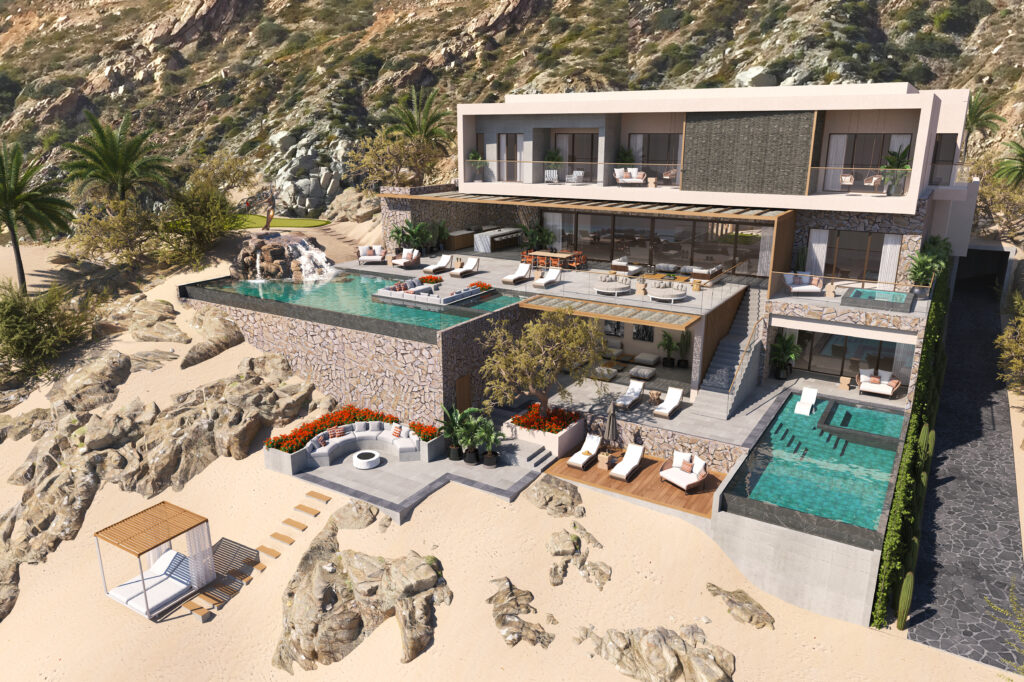
Perched on a secluded white-sand beach within the award-winning Quivira Los Cabos community — named Development of the Year by Golf Magazine — The Residences at The St. Regis Los Cabos occupy a 33-acre site with 1,200 feet of Pacific Ocean frontage. The development is intentionally intimate: just 77 units across direct oceanfront villas, condominiums, penthouses, and luxury townhomes, each with floor-to-ceiling windows and private pools.
Three dining concepts led by Michelin-starred Chef Carlos Gaytán, seven resort pools, a private Beach Club, a spa with 10 treatment rooms, and the legendary Jack Nicklaus Signature golf course at Quivira Golf Club — ranked among the world’s 100 greatest by Golf Digest — complete the picture. Opening anticipated 2026.
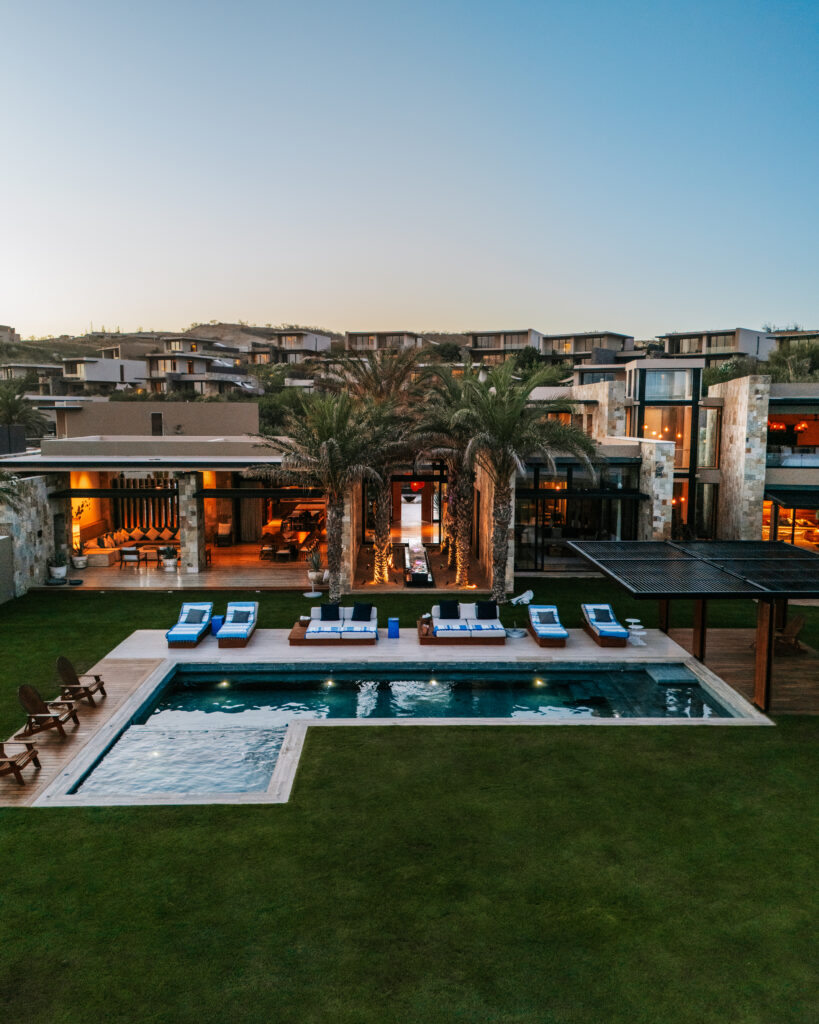
One of only nine Ritz-Carlton Reserves on earth, Zadún is the first in Mexico — an intimate resort where the desert dunes of the Baja Peninsula drift into the Sea of Cortés. The 113 rooms, suites, and villas blur indoors and out with sliding glass walls, every surface adorned with works from Mexican artisans across Oaxaca, Yucatán, Campeche, and Jalisco. A personal Tosoani — a ‘Dream Watcher’ drawn from Nahuatl — is assigned to each household.
Owners enjoy exclusive access to Sensei at Zadún — one of only three globally — alongside championship golf by Jack Nicklaus and Greg Norman, a full-service marina, private beach clubs, and a 12-acre botanical garden. The 14,723-square-foot Grand Reserve Residence, Zadún’s former Presidential Mansion, has just been listed for $25 million.
What unites these five properties is not simply the prestige of their flags — though St. Regis, Ritz-Carlton Reserve, Pendry, and Nikki Beach are among the most coveted names in global hospitality. What unites them is timing, and intention. They represent a new model of Caribbean and Mexican development that assumes its buyers are not tourists looking for a vacation retreat, but global citizens seeking a primary alternative: a place to live, to work, to raise families, to dock a yacht, to wake up to something extraordinary every morning.
For Canadians — navigating an era of geopolitical uncertainty and a dollar increasingly strained by tariff battles — the Caribbean’s combination of proximity, favourable exchange rates, citizenship-by-investment pathways, and year-round warmth has never looked more compelling. The travel data already suggests the pivot is underway. The real estate market is beginning to confirm it.
These five developments, from the Pura Vida shores of Costa Rica to the desert cliffs above the Sea of Cortés, collectively represent the vanguard of that shift. They are not merely places to buy property. They are places to begin again — somewhere better, somewhere warmer, somewhere that asks very little of you except that you slow down and celebrate where you are.