In Memoriam: Mourning Two World- Renowned Architects

An in memoriam honoring architects Robert A.M. Stern and Frank Gehry, whose contrasting visions shaped contemporary architecture and proved greatness has paths.


In Memoriam Mourning Two World- Renowned Architects Robert A. M. Stern

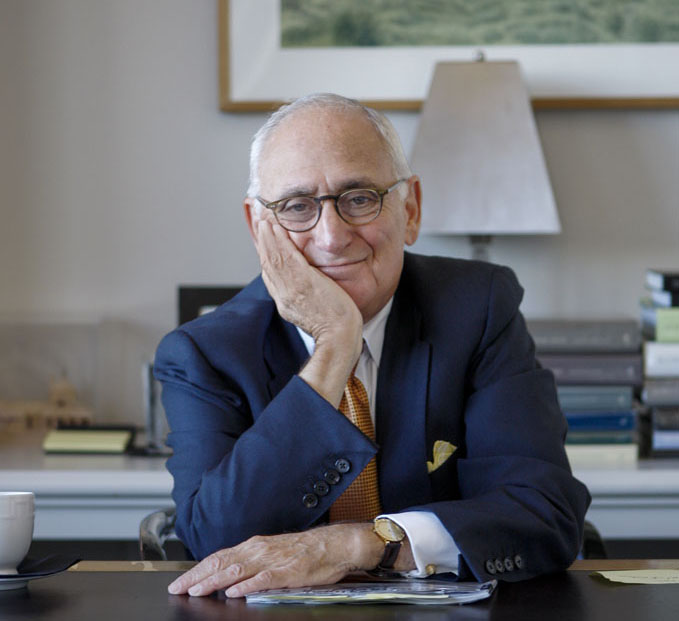
Robert A. M. Stern – May 23, 1939- November 27, 2025

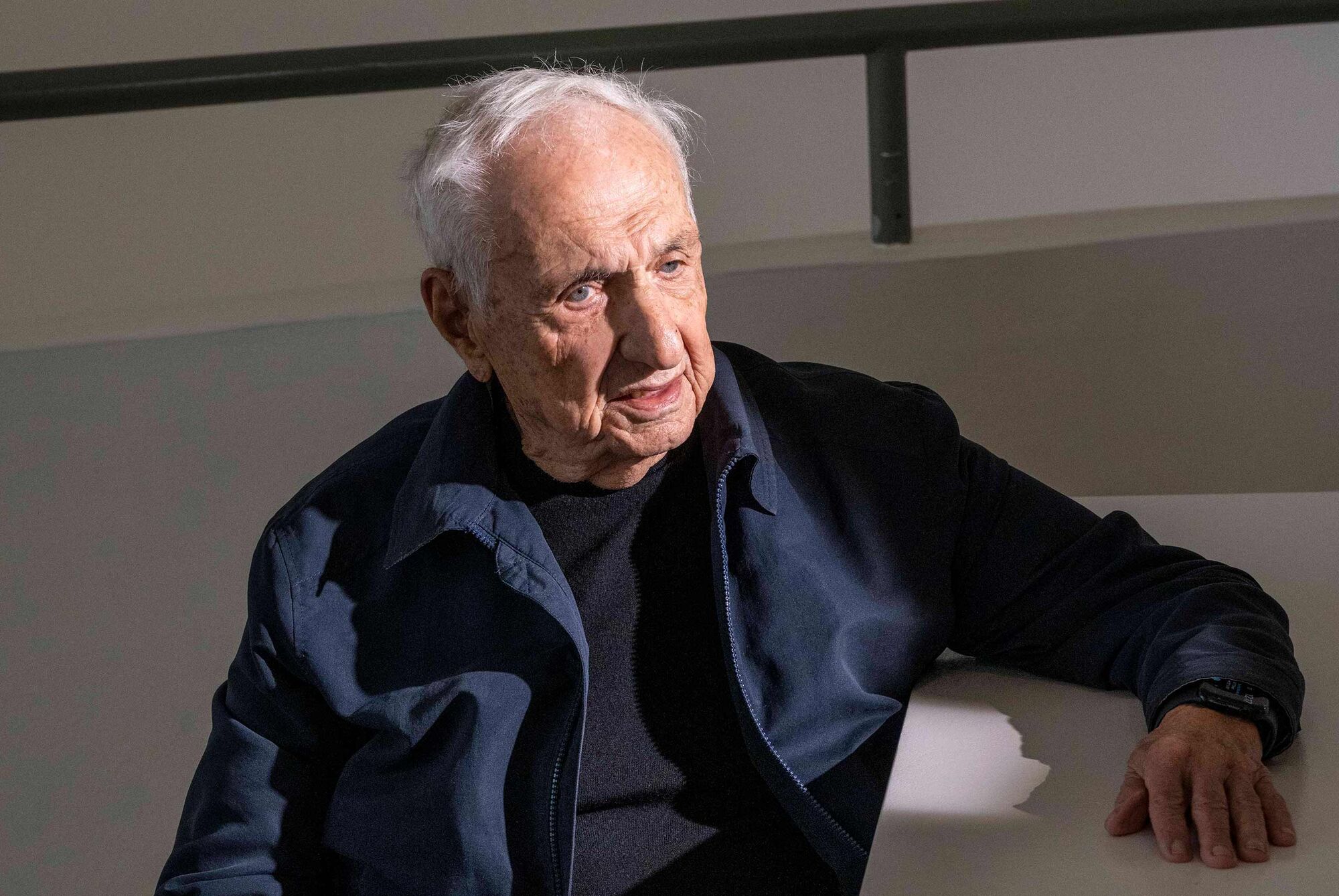
Frank Gehry - February 28, 1929 – December 5, 2025

For those of us who have spent years wandering cities with our necks craned upward, planning detours to glimpse a particular building, the news was sad.

Robert A.M. Stern passed away on November 27, 2025, at the age of 86. Then, on December 5, 2025, Frank Gehry died at age 96. In the space of a few weeks we lost the two architects who most powerfully defined the possibilities of contemporary architecture. One believed buildings should reflect classical grace and permanence; the other insisted they could shatter every convention.

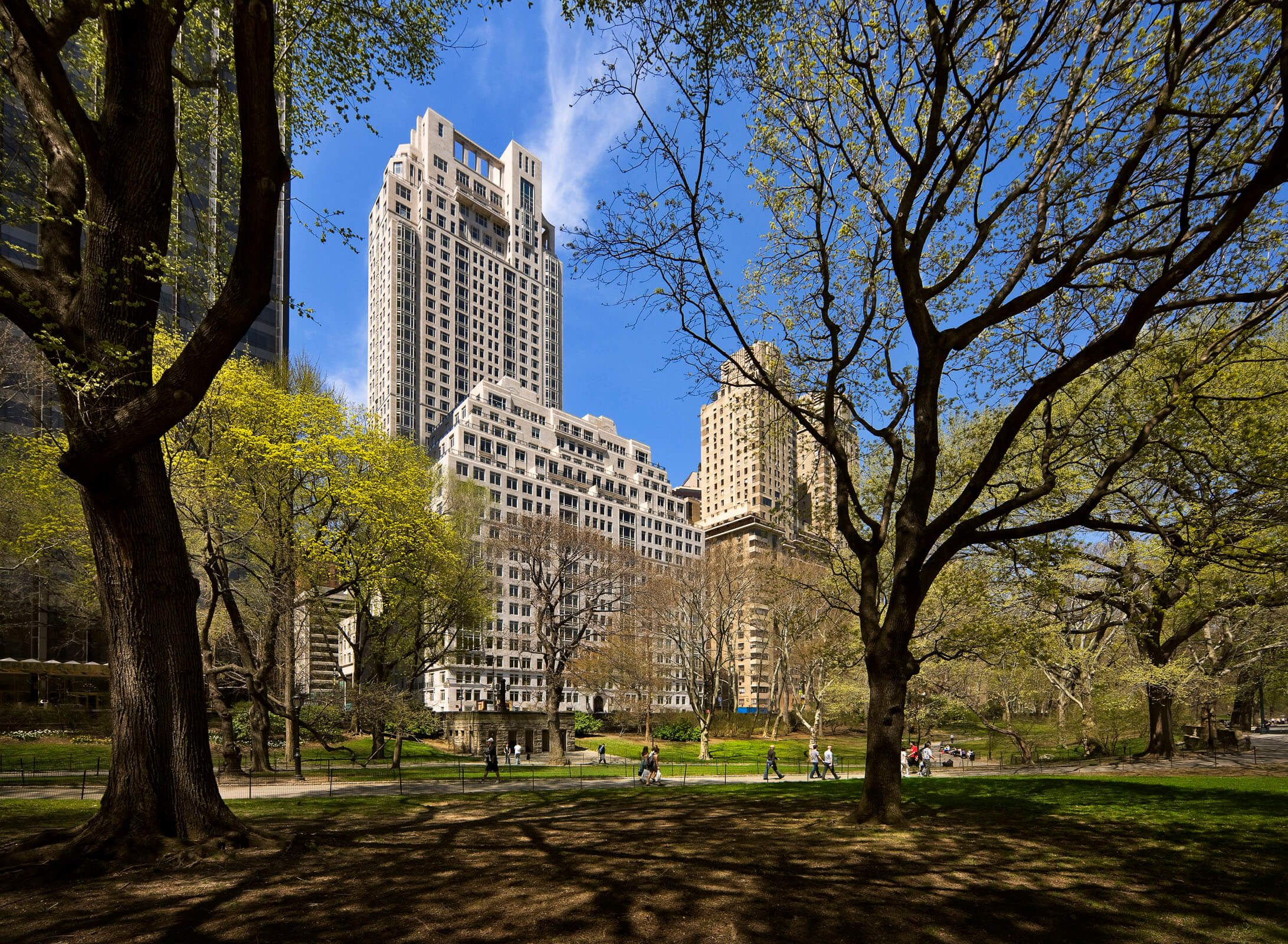
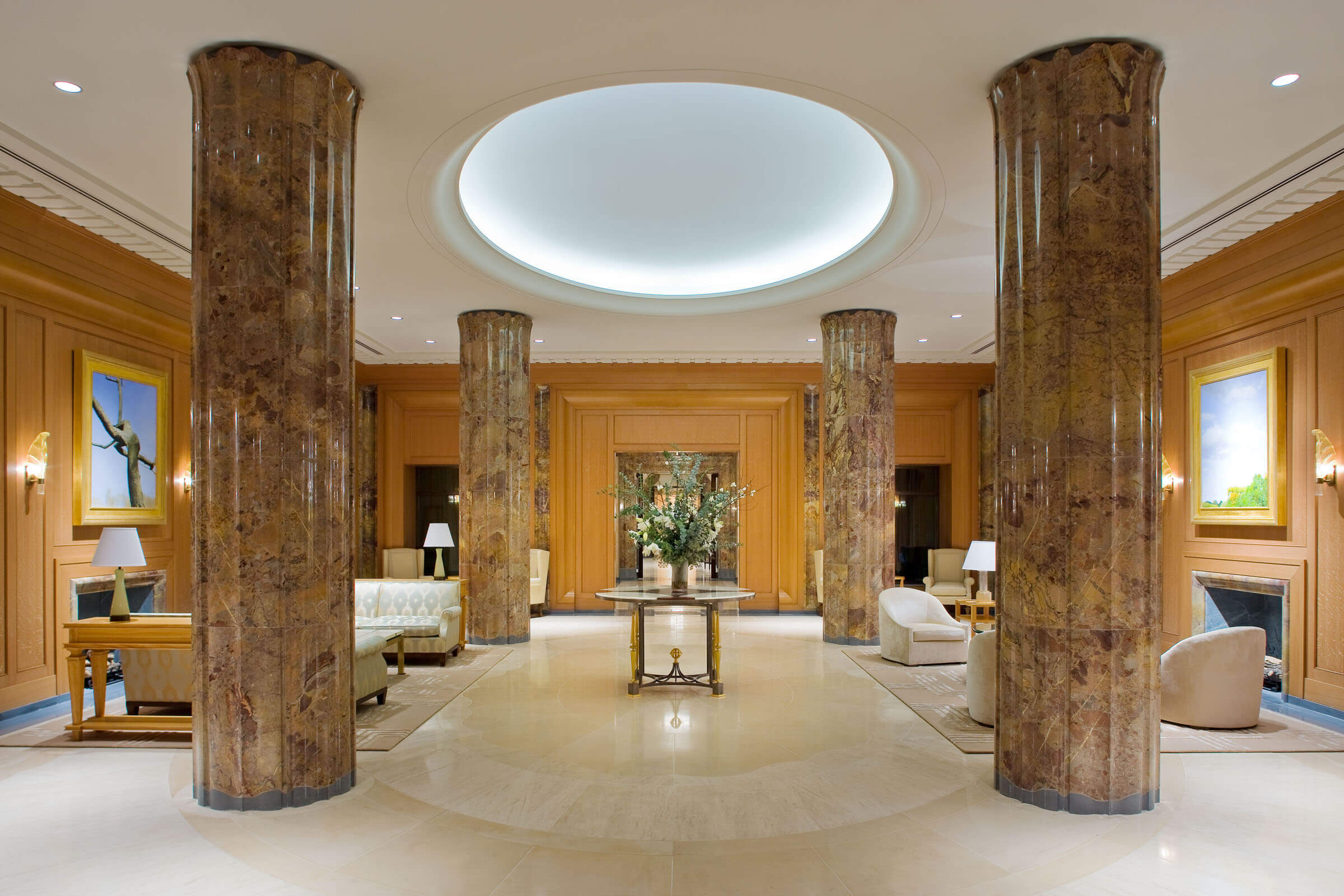
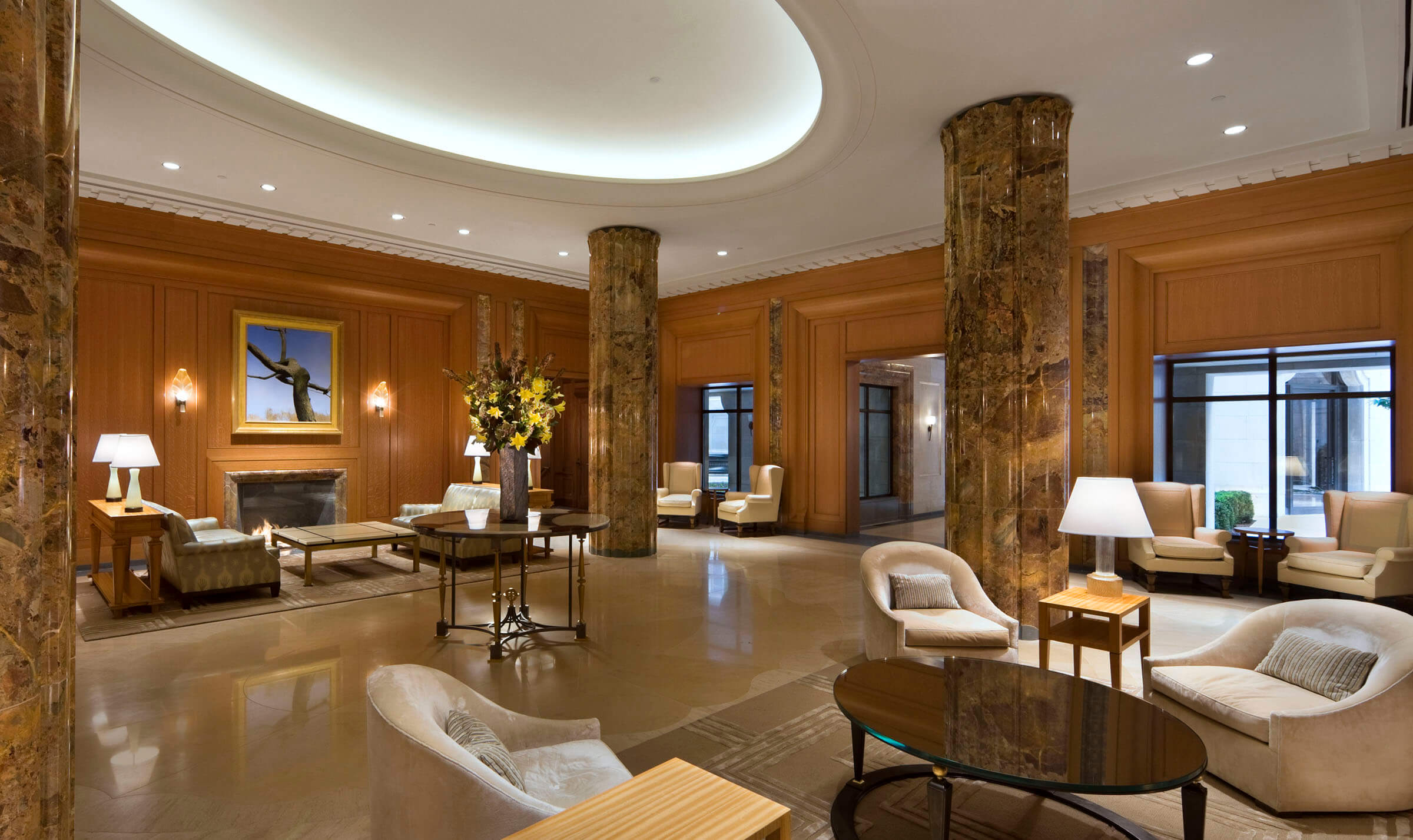
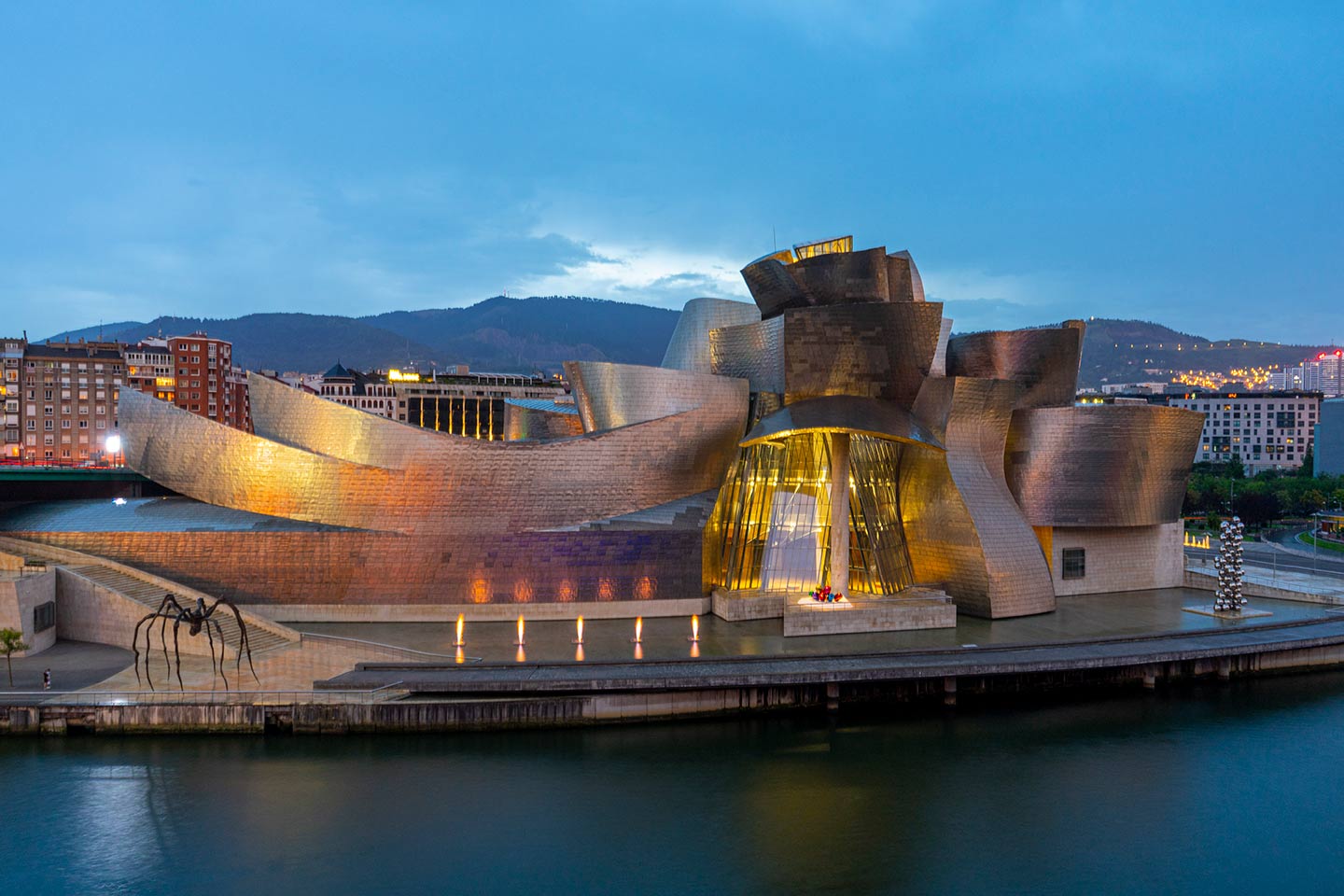
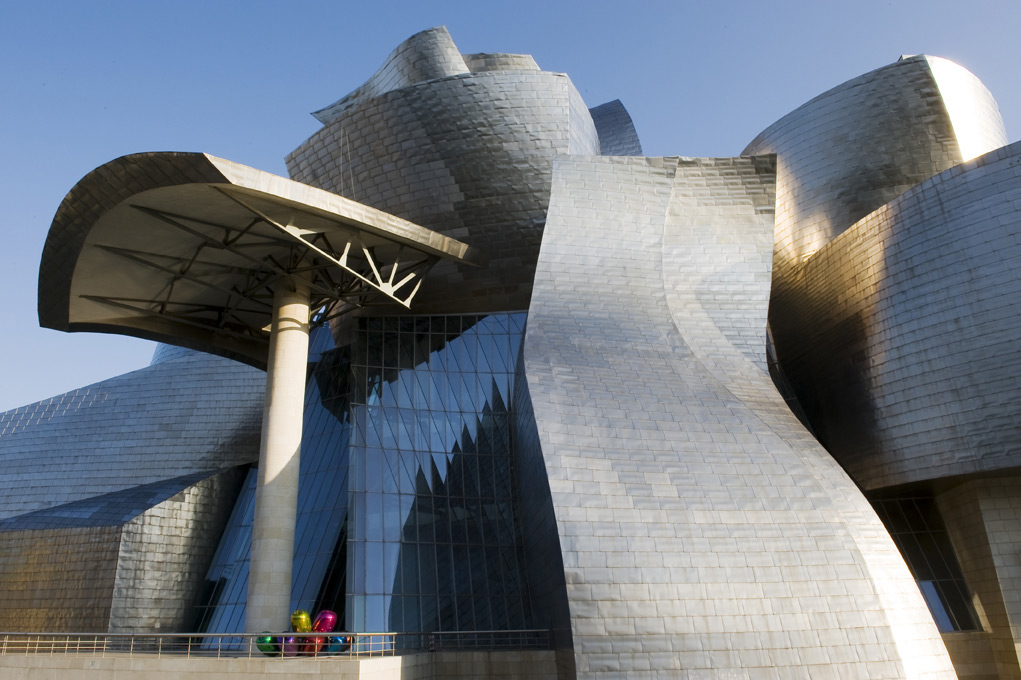
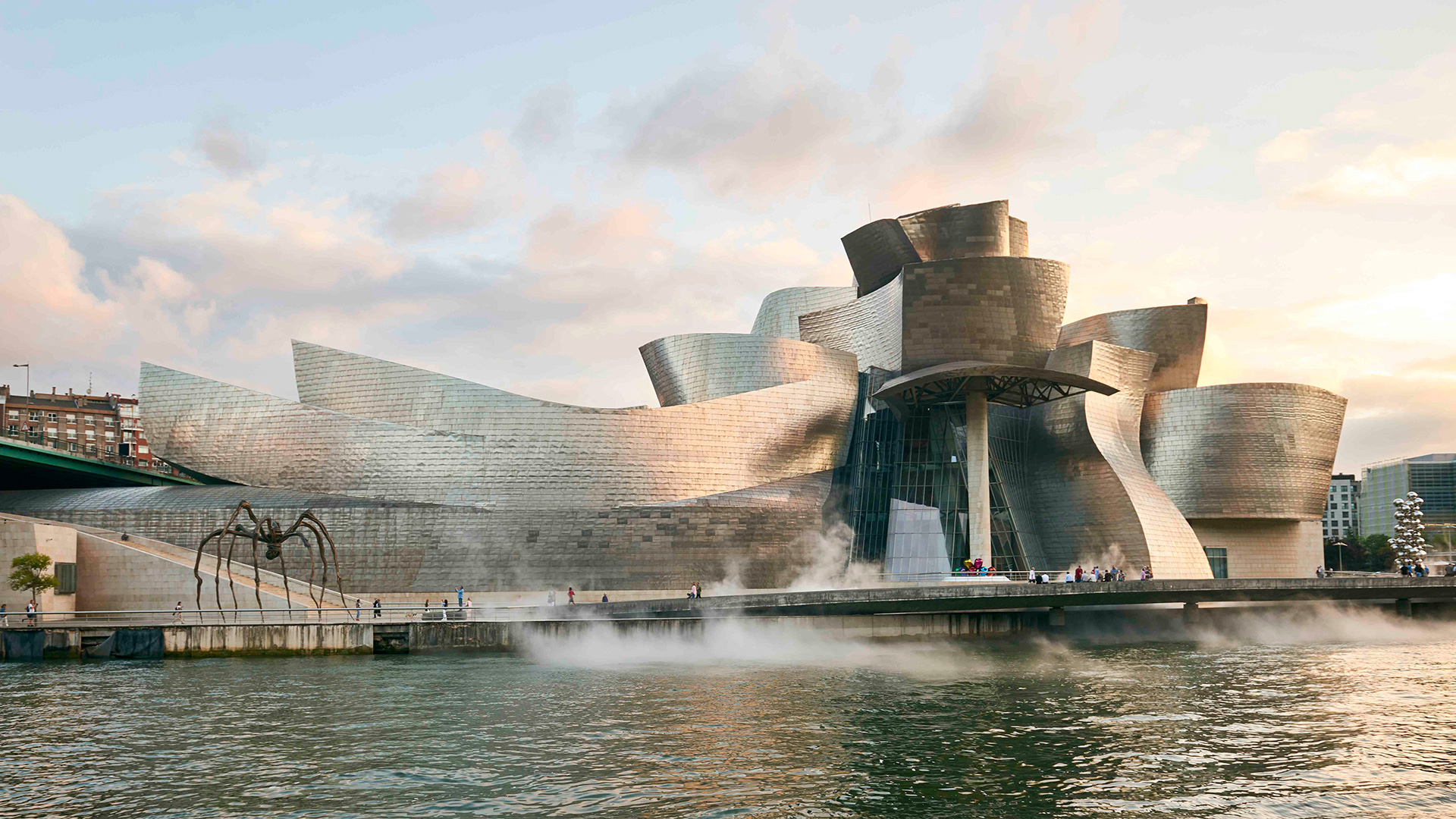
Robert A. M. Stern’s stately 15 Central Park West reflects dignity and permanence in a city of constant flux. In contrast, Gehry’s Guggenheim Bilbao impossible looking curves seem to defy physics and logic simultaneously. Both men made you believe in architecture’s possibilities—they just arrived there by dramatically different paths.

Two Sons of Immigrants, Two Different Dreams

Both men came from modest immigrant backgrounds that shaped their approach to architecture. Stern was born in Windsor Terrace, Brooklyn, in 1939, the son of working-class parents in a neighborhood he famously called “a place to be from and get out of.” Gehry, born Frank Owen Goldberg in Toronto in 1929, was the son of Jewish immigrants who moved to Los Angeles when he was seventeen. Neither came from wealth or architectural pedigree; both discovered architecture as a calling that could transform not just their own lives but entire cityscapes.

The Great Debate: Continuity Versus Revolution

What made Stern and Gehry’s presence in architecture so vital was that they represented the field’s fundamental tension: Should buildings honor the past or explode it?

Stern believed passionately in the former. His practice, founded in 1969 as Robert A.M. Stern Architects, produced buildings that felt both contemporary and timeless. Towers like 220 Central Park South and 520 Park Avenue were built with modern engineering yet echoed the proportions and dignity of pre-war New York. His institutional work – the George W. Bush Presidential Center, Yale’s Benjamin Franklin and Pauli Murray Colleges, the Darden School of Business at the University of Virginia—showed that traditional forms could serve modern needs perfectly.

His nearly complete London project, 1 Mayfair, exemplified his philosophy: understated luxury combined with historic context while offering something unmistakably new.

Gehry’s answer was defiantly opposite. His buildings didn’t converse with their surroundings – they exploded them, reimagined them, transformed them. The Guggenheim Bilbao didn’t blend into the declining industrial Basque city; it became a swirling, curving titanium marvel that saved the city economically and culturally. His Walt Disney Concert Hall with its billowing stainless-steel sails looks like music frozen in metal. The Dancing House in Prague proved that contemporary design could complement rather than compete with Gothic and Baroque neighboring architecture —but on its own wildly contemporary terms.

The Human Touch

Those who knew both men speak of warmth beneath the architectural philosophy. Stern was meticulous, often in bow ties, fierce in defending his principles but never doctrinaire. He believed architecture belonged to the people who would inhabit it. His biographer noted his wicked sense of humor and his conviction that architecture’s highest calling was making life more beautiful and meaningful.

Gehry, despite his revolutionary buildings, desperately wanted acceptance and connection. As biographer Paul Goldberger observed, Gehry “was probably the only truly great artist I’ve ever encountered who desperately cared what people thought of him and that people loved his work.” That vulnerability made his otherworldly forms deeply human. When he received the AIA Gold Medal in 1999, he expressed joy at finally feeling accepted by peers.

What They Leave Behind

Their loss feel impossibly large because both men gave us so much. Stern showed  that classical proportions could feel contemporary, that respecting the past enriched creativity. His buildings will house families and serve communities for centuries, each one reflecting classical design continuity and dignity.

Gehry proved that architecture could soar, shout, and sing—that our cities deserved wonder, that the impossible was possible through vision and determination. His buildings are monuments to imagination itself, each curve a reminder that beauty matters and that one person’s creativity can literally reshape global skylines.

Together, they represented the full range of what architecture could be. In a field often torn by ideology, they showed that multiple paths lead to greatness. One looked backward to move forward, the other leaped into the future.

Their buildings remain—arguing with each other across cityscapes, offering different answers to eternal questions, proving that architecture at its finest can be poetry, history, revolution, and home all at once.

They taught us that great architecture is timeless.

You may also like