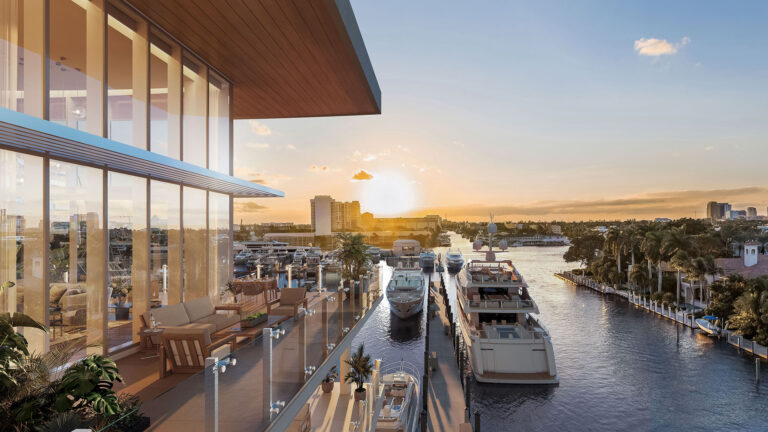
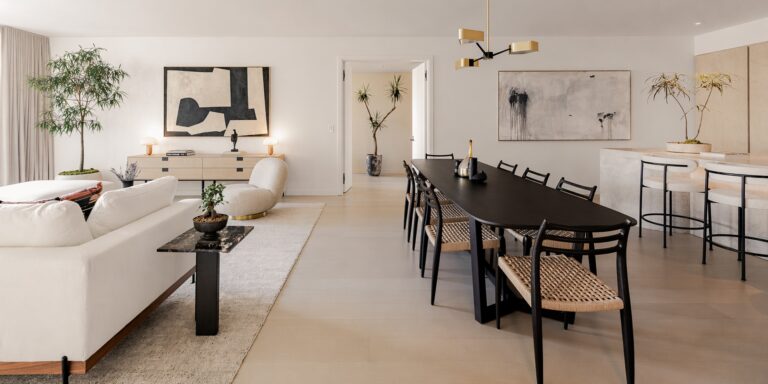
It’s the middle of summer, the lifts are parked, and the only white on the mountain is cloud cover — but this is exactly when America’s most storied ski towns are making their biggest moves. In Telluride and Park City’s Deer Valley, the off-season has quietly become launch season for the branded residence boom, as Four Seasons and Waldorf Astoria plant permanent flags in two of the country’s most closely watched alpine markets.
In Telluride, a 15-year drought finally breaks…
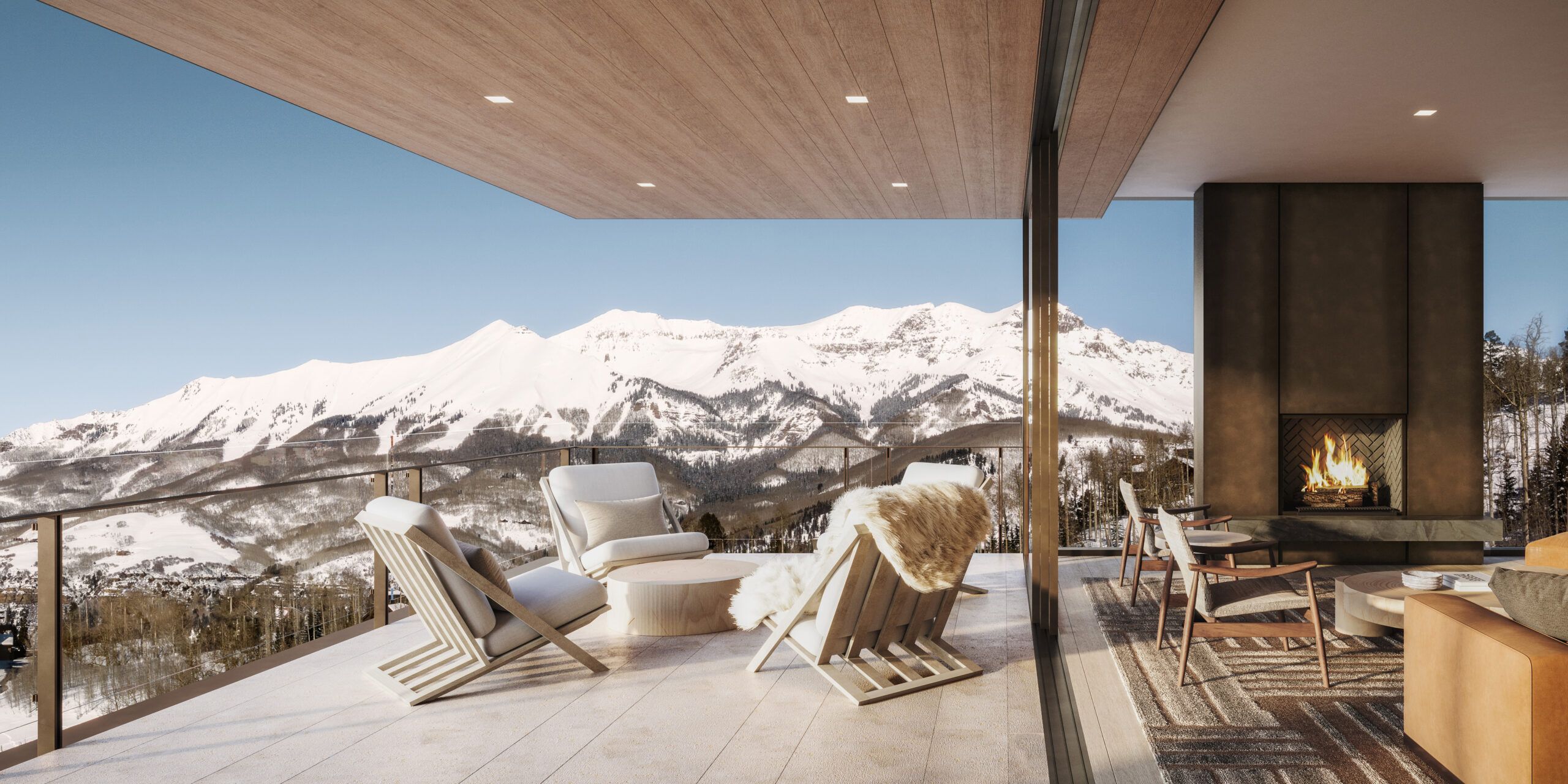
For a market that has guarded its scale and character for decades, Telluride has gone a long time without a true five-star branded address. That changes with Four Seasons Resort and Residences Telluride, a joint venture between Four Seasons, Fort Partners, and Merrimac Ventures that brokers are calling the first luxury residential launch in the destination in more than 15 years.
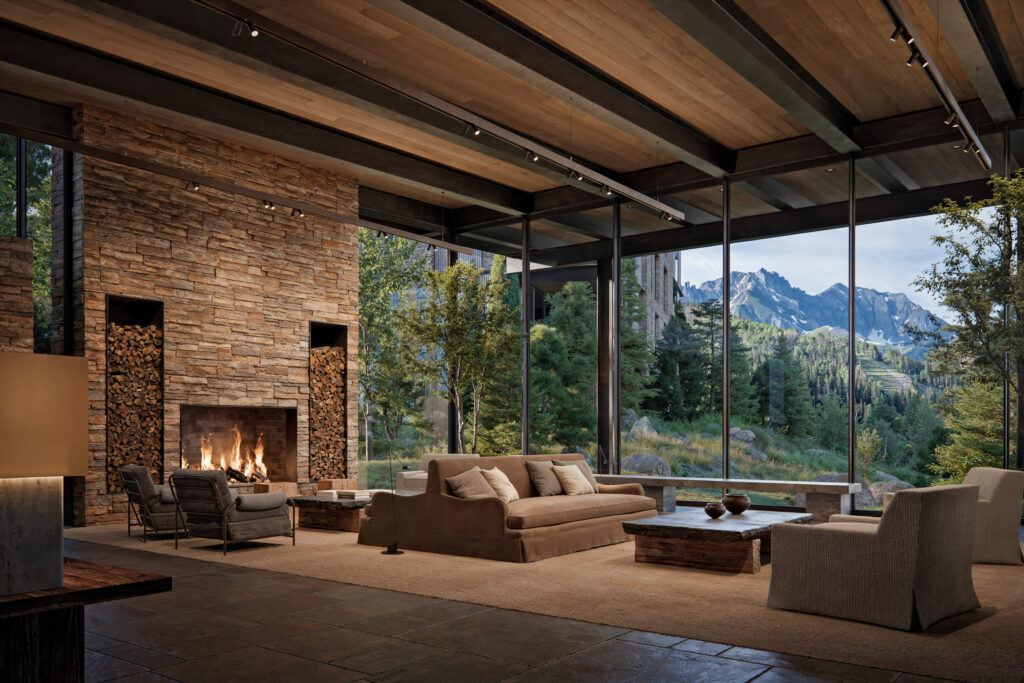
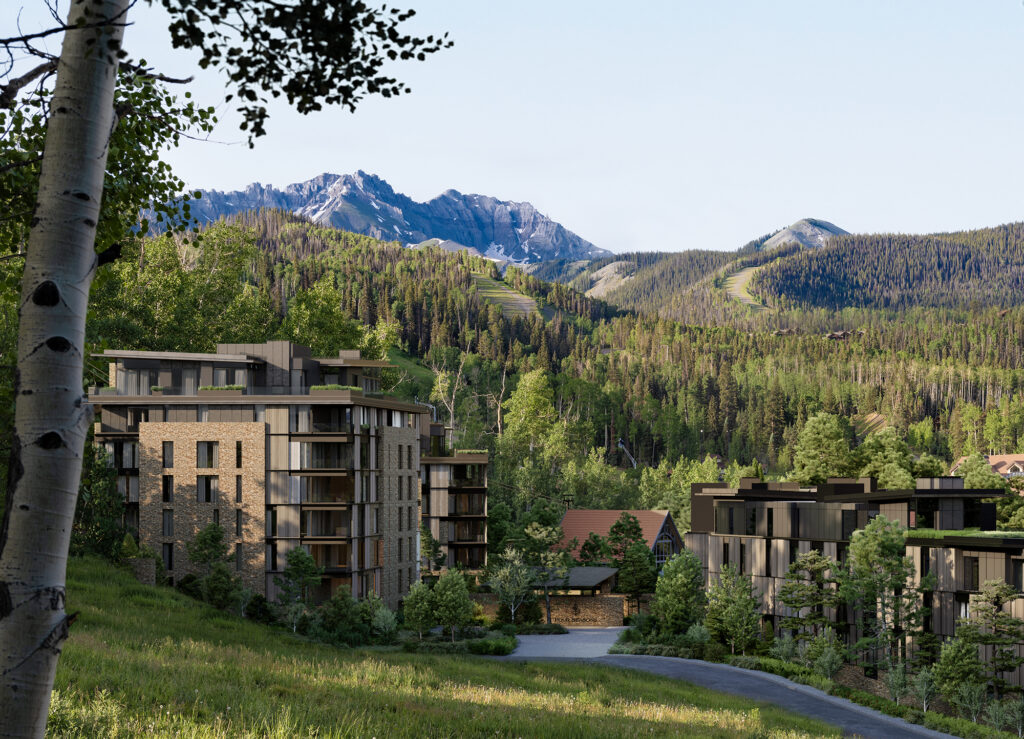
Set on roughly four acres in Mountain Village, steps from the gondola and the ski resort itself, the project spans three interconnected buildings designed by Olson Kundig, with interiors by Clements Design. The private residences alone range from about 2,064 to 6,445 square feet, delivered unfurnished so owners can build out custom interiors, while a companion collection of fully furnished hotel residences is available through Four Seasons‘ rental program. The amenity list reads like a checklist for altitude-conscious buyers — ski valet, private chefs, and, in a first for a North American ski resort, home oxygenation systems built into select residences to ease the effects of Telluride’s elevation.
Pricing reflects the ambition: residential units start around $4 million and climb to $40 million, topped by six penthouses. As one longtime local broker put it:
There isn't another ski town in North America that has all this.
Brian O'Neillco-leading sales of Four Seasons Resort and Residences Telluride alongside Bill Fandel
Why summer is prime season for ski real estate news…
It might seem counterintuitive to cover mountain real estate when the chairlifts are still, but summer is precisely when branded residential sales cycles hit their stride. Groundbreakings, sales-gallery launches, and buyer walkthroughs of model units tend to happen in the off-season, when construction crews have unimpeded site access and prospective owners can tour without the distraction of an active ski day. Both Telluride and Deer Valley East Village used the recent off-season window to formally launch sales, break ground, or announce new hospitality partners.
Zoom out further, and prime U.S. ski real estate values have climbed 84 percent over the past decade and 228 percent over the past two — a run that branded product, with its built-in service standards and resale premium, is increasingly capturing.
The takeaway
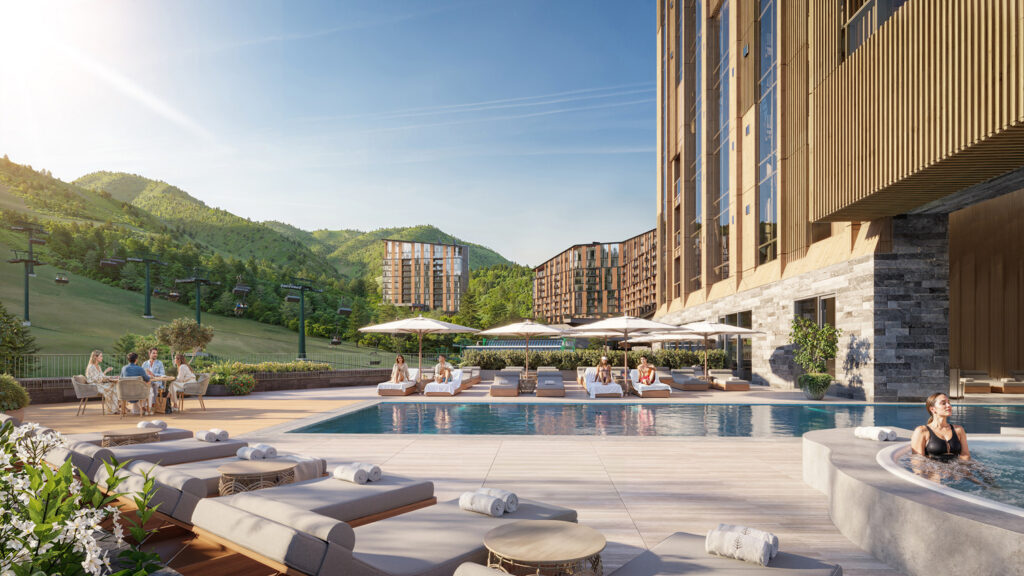
Telluride and Deer Valley are approaching branded luxury from opposite starting points — one retrofitting a beloved, land-constrained historic town, the other conjuring an entirely new village from undeveloped terrain — but the bet underneath both is identical. Hospitality brands no longer see ski towns as seasonal outposts; they see them as year-round luxury real estate markets in their own right, complete with wellness infrastructure, architectural pedigree, and price points once reserved for Aspen or the Alps. For buyers, that means more choice at the ultra-luxury end than either market has ever offered. For the towns themselves, it means a permanent shift in scale, character, and who gets to call the mountain home.
Project details reflect publicly announced plans as of mid-2026; pricing, timelines,
and unit counts are subject to change as construction progresses.