The Second Act of an American Icon: Elm Court’s Journey from Vanderbilt Estate to Modern Luxury Destination

Before the concept of a “branded residence” ever existed, there was the Vanderbilt name—a byword for ambition, scale, and an uncompromising standard of American luxury. Now, at Elm Court in the rolling hills of the Berkshires, its flagship estate is being awakened, poised to write a bold new chapter for the 21st century.


The Second Act of an American Icon: Elm Court’s Journey from Vanderbilt Estate to Modern Luxury Destination
Getting your Trinity Audio player ready...

In the rarefied world of Gilded Age architecture, few names carry the weight of Vanderbilt. Their homes—The Breakers in Newport, Biltmore in Asheville—were not mere residences; they were statements of industrial dynasty, cultural ambition, and architectural prowess. They were, in essence, the original branded estates, setting a standard that modern developers still strive to emulate.

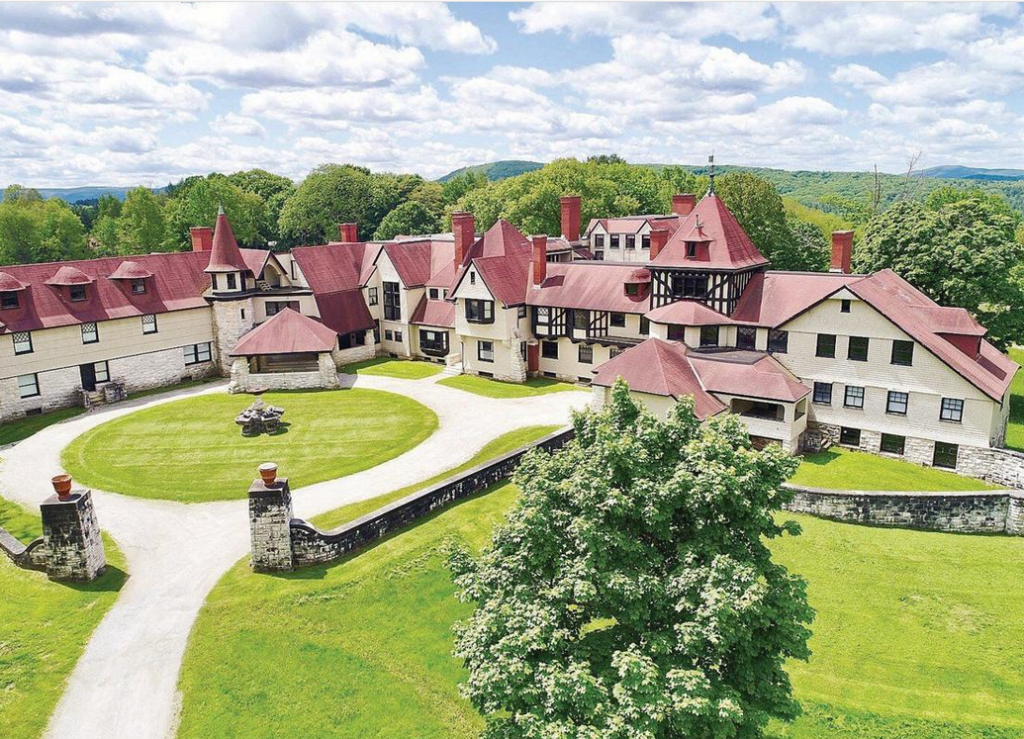
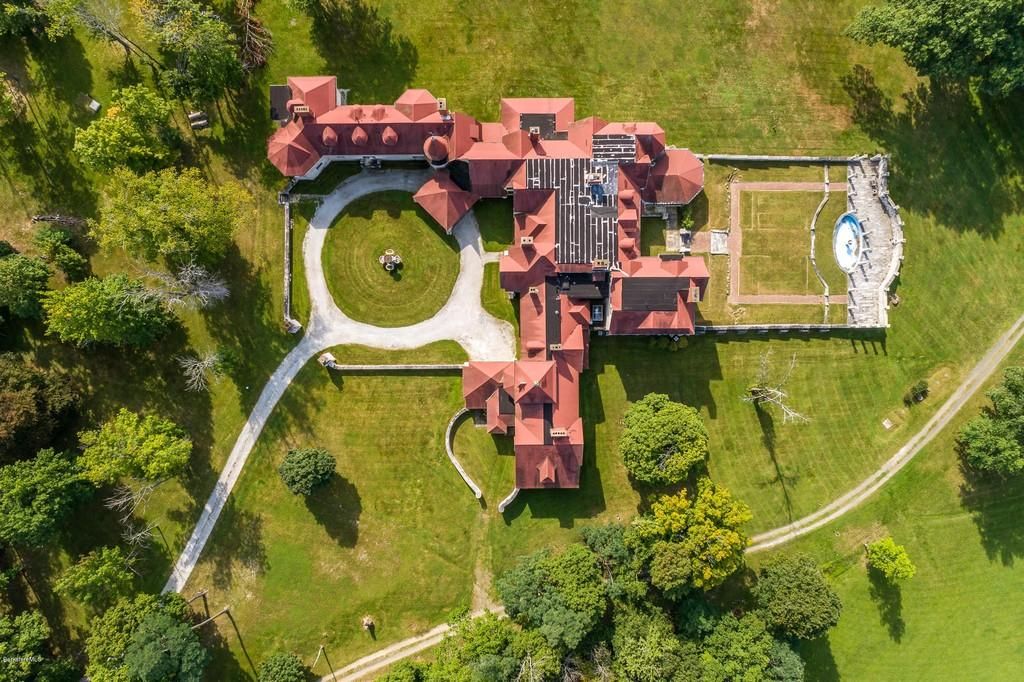
Tucked away on 89 acres that straddle the picturesque towns of Lenox and Stockbridge, Massachusetts, stands Elm Court, perhaps the family’s most personal and historically significant Berkshire retreat. For decades, this monumental shingled-style mansion has slumbered, a silent sentinel to a bygone era of opulence. Today, a visionary plan is underway to reincarnate this national treasure, not as a museum piece, but as a living, breathing destination: a five-star wellness sanctuary and an exclusive collection of private residences. This is the story of a legacy being reactivated.

A Legacy Forged in Grandeur

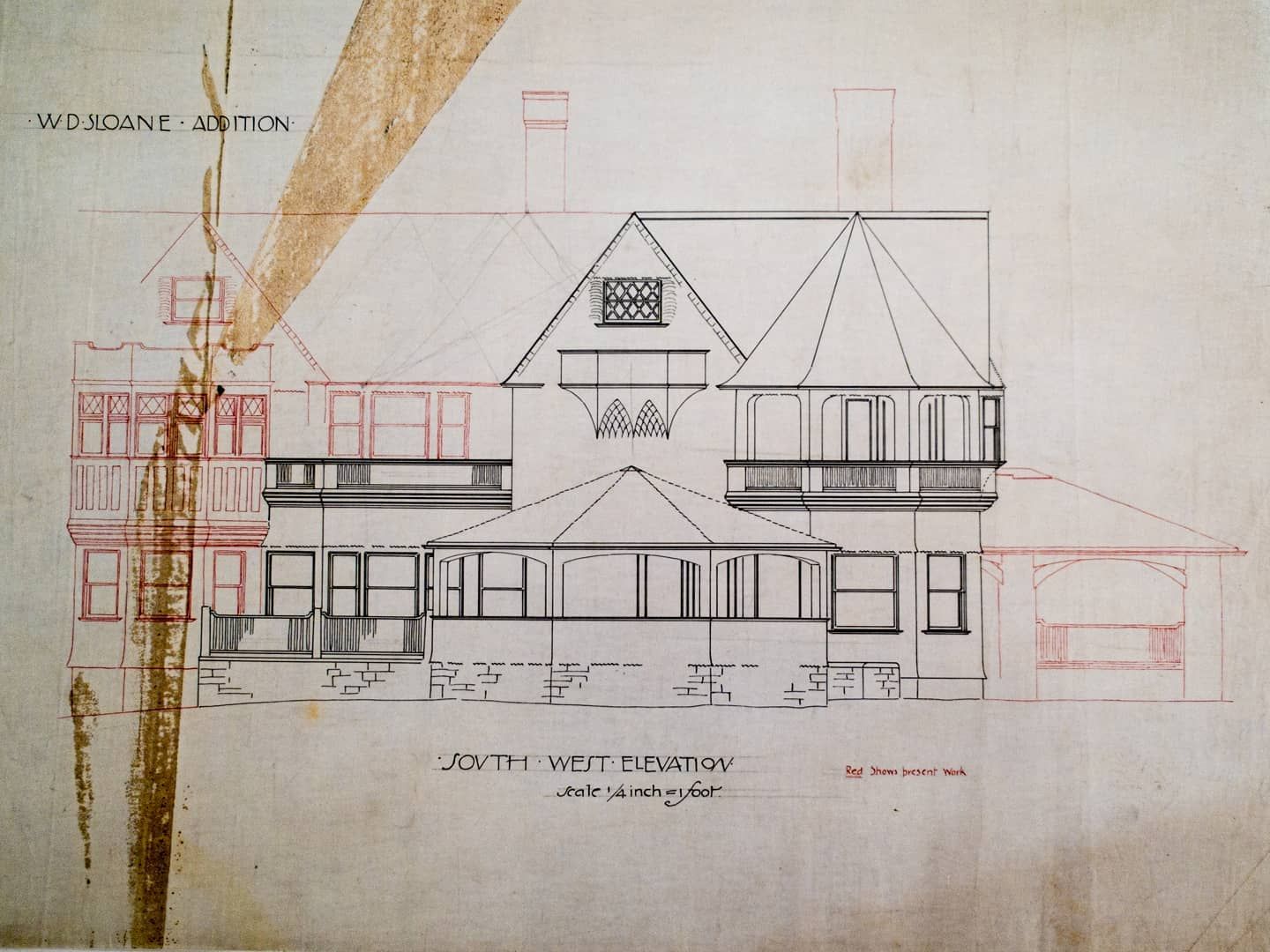
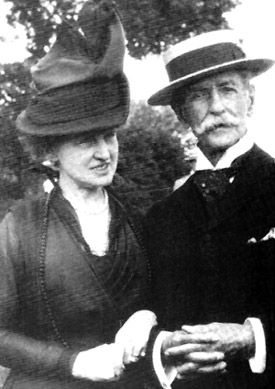
To understand the significance of Elm Court’s revival, one must first appreciate the weight of its origins. Conceived in 1885 as a summer residence for Emily Vanderbilt and her husband, William D. Sloane, the estate was designed by the premier architectural firm of Peabody and Sterns. What began as a plan for a “modest” home was transformed by the sudden death of Emily’s father, railroad tycoon William Henry Vanderbilt, who left each of his eight children a fortune that would equate to hundreds of millions today.

With resources nearly without limit, the vision expanded. The result was a 55,000-square-foot, 100-room masterpiece, recognized today as the largest shingled residence in the United States. But its grandeur was not confined to its architecture. The family commissioned Frederick Law Olmsted, the father of American landscape architecture, to sculpt its grounds. Over 13 months, Olmsted drafted some 70 designs for the gardens, transforming the property into a living work of art that rivalled his work on New York’s Central Park.

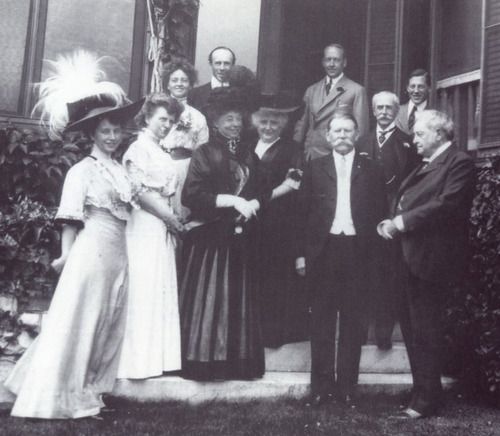
Elm Court was never intended to be a private sanctuary. Like other great Lenox “cottages,” it was a stage for society. A daily schedule of activities—from lawn tennis tournaments to after-dinner concerts under crystal sconces—was posted in the Manor Hall. Its guest book read like a who’s who of the era: a young Theodore Roosevelt, Winston Churchill, President William Howard Taft, industrialists like Henry Ford, and artists like Mark Twain.

Most notably, in 1919, the estate became an accidental crucible for global diplomacy. The “Elm Court Talks,” a series of meetings held on its verandas and in its libraries, laid the groundwork for the Treaty of Versailles and the League of Nations, marking the end of World War I. This unique intersection of society, politics, and culture cemented Elm Court’s status not just as a house, but as a protagonist in American history.

The Second Act of an American Icon: Elm Court Journey from Vanderbilt Estate to Modern Luxury Destination

A Visionary Reawakening

The post-war era was less kind to such grand estates. After operating as an inn for a period, the overwhelming cost of maintenance forced Elm Court to shutter its doors in 1957. For 42 years, it sat largely abandoned, a romantic ruin whose stories were whispered but not seen.

Subsequent owners, including descendants, bravely undertook multi-million-dollar restoration efforts, repositioning it as a luxury inn and a wedding venue. Yet, a sustainable, long-term vision for the colossal property remained elusive. It was a masterpiece in search of a steward with a strategy equal to its scale and significance.

That steward emerged in 2022, when Linda Law, a real estate developer with a proven passion for historic estates—having previously owned and revitalized the legendary Blantyre in Lenox—purchased Elm Court. For Law, the acquisition was not a mere transaction; it was a custodianship.

“Our team is going to be very deliberate in its thoughtful renovation to restore the vibrancy of this treasured landmark,” Law states. “Collectively, we have done a tremendous amount of research… and we feel a tremendous responsibility to pay homage to its legendary past.”

Her vision is supported by a uniquely credentialed team, including her business partner, Dr. Richard Peiser, a renowned authority on real estate development from Harvard University. Adding a profound layer of continuity is the involvement of John F. A.V. Cecil, the great-grandson of George W. Vanderbilt, directly linking the project’s future to its founding family.

The Blueprint: Where Heritage Meets Horizon

The master plan for Elm Court is a case study in balancing reverence with reinvention. It is a phased, thoughtful approach designed to ensure the estate’s financial viability and cultural relevance for the next century.

Phase One: The Manor House Hotel
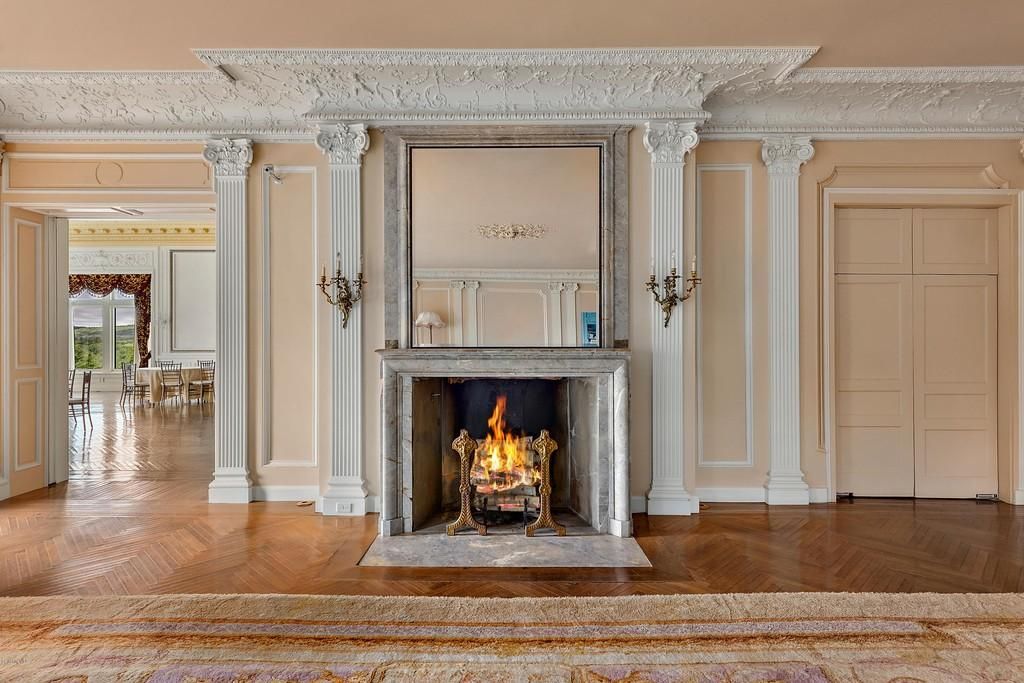
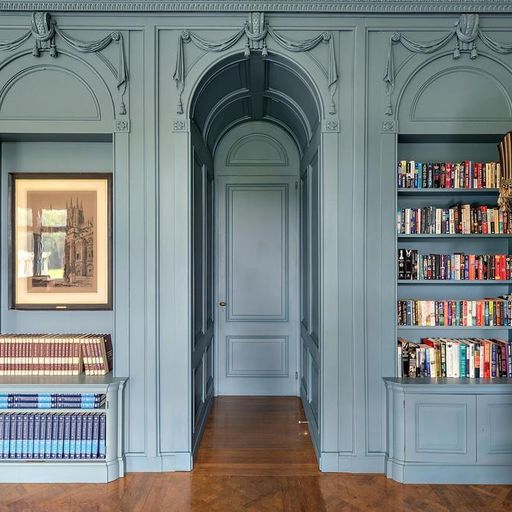
The heart of the estate, the 55,000-square-foot Manor House, will be transformed into a 26-key boutique hotel. Moving beyond traditional luxury, the focus will be on health and longevity, offering a sanctuary for wellness in an atmosphere of Gilded Age grandeur. The hotel will feature a destination 60-seat restaurant, open to the public, allowing a new generation to experience the estate’s hospitality. A grand ballroom and library will be restored to their original splendor, providing spaces for gathering and contemplation.

Phase Two: Curated Lodging
Discreetly integrated into the Olmsted-designed landscape will be twelve new lodging buildings, housing 48 guest suites. This approach allows for a greater density of guests without compromising the pastoral serenity of the grounds, offering secluded retreats with private views of the historic gardens and woodlands.

Phase Three: The Residential Enclave
The most significant modern addition to the Elm Court legacy will be the development of 38 custom home sites. This is where the project evolves from a hospitality venture into a landmark offering in the world of branded living. These will not be standard lots; they are opportunities for ownership within a curated, historically significant environment. Residents will have the unparalleled privilege of living within an Olmsted landscape, with the amenities and prestige of a five-star hotel at their doorstep. This model echoes the Vanderbilt tradition itself—building a private domain that is both a personal retreat and a center for cultural life.

The Second Act of an American Icon: Elm Court Journey from Vanderbilt Estate to Modern Luxury Destination

A New Model for Branded Living

The Elm Court project transcends the conventional definition of a hotel or a residential community. It represents a more profound trend in luxury: the desire for authenticity, legacy, and unique experiences over standardized opulence.

In an era where many luxury brands are slapping their name on anonymous towers, Elm Court offers something different. Its brand is not a corporate logo; it is a narrative. The “brand” is the Vanderbilt legacy, the Olmsted genius, the architectural significance, and the historical weight. The new development doesn’t impose a brand onto the property; it unlocks the powerful brand that has been inherent to the site for 140 years.

This project demonstrates that the future of branded living may not lie solely with international hotel chains, but also with the thoughtful reactivation of authentic, place-based legends. It offers a blueprint for how to honor a storied past not through static preservation, but through dynamic, sustainable reuse that writes a compelling new chapter.

As Linda Law reflects, “The presence of a Vanderbilt estate in the Berkshires offers a profound and lasting contribution to the cultural, historical, and educational fabric of the community… By maintaining and celebrating this historic legacy, the region underscores its commitment to preserving the stories and values that shape our shared past and inspire future generations.”

The sleeping giant of the Berkshires is awakening. And in its second act, Elm Court is poised to become more than a relic of the Gilded Age; it is being redefined as a cornerstone of modern American luxury.

You may also like