A Conversation with Mark Durliat, CEO of Grace Bay Resorts

A conversation with Grace Bay Resorts CEO Mark Durliat on ethical development, cultural stewardship, and the future of luxury in Turks & Caicos.

A Conversation with Mark Durliat, CEO of Grace Bay Resorts

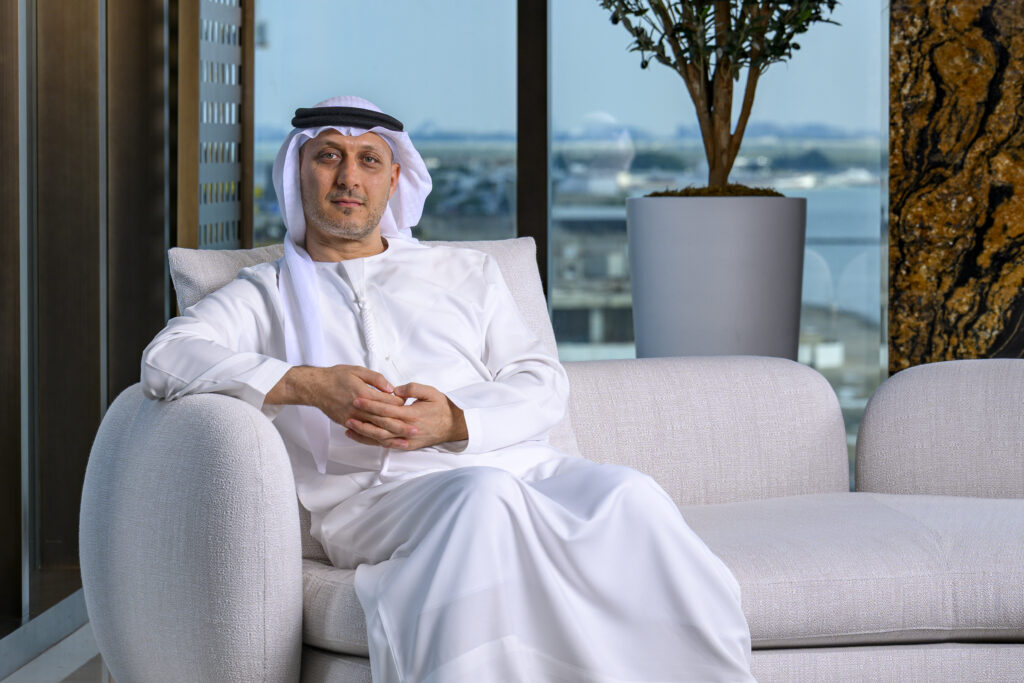
Driven by the idea to create a distinctive destination in the Caribbean, Grace Bay Resorts began in Turks and Caicos and continues to grow within the branded residential space. As CEO of the brand, we had the chance to sit down with Mark Durliat to discuss the future of Grace Bay Resorts within an ever-changing industry and learn the why behind their ideas. 

Branded Living: What does “ethical development” mean to you personally, and to Grace Bay Resorts as a brand?

Mark Durliat: At Grace Bay Resorts, this reflects a commitment to thoughtful, responsible growth that protects the natural beauty of Turks and Caicos while delivering meaningful opportunities for our team members and local partners.

BL: When you think about the identity of Turks & Caicos, what aspects of local culture do you feel are most important to protect as development continues?

MD: The warmth of the islands’ people, the authenticity of its traditions, and the deep connection to the islands’ natural environment continue to inspire and strike me. Protecting that sense of community, cultural pride, and local craftsmanship is essential as Grace Bay Resorts’ development continues to grow and evolve.

BL: How do you balance luxury hospitality with a responsibility to steward culture, land, and community?

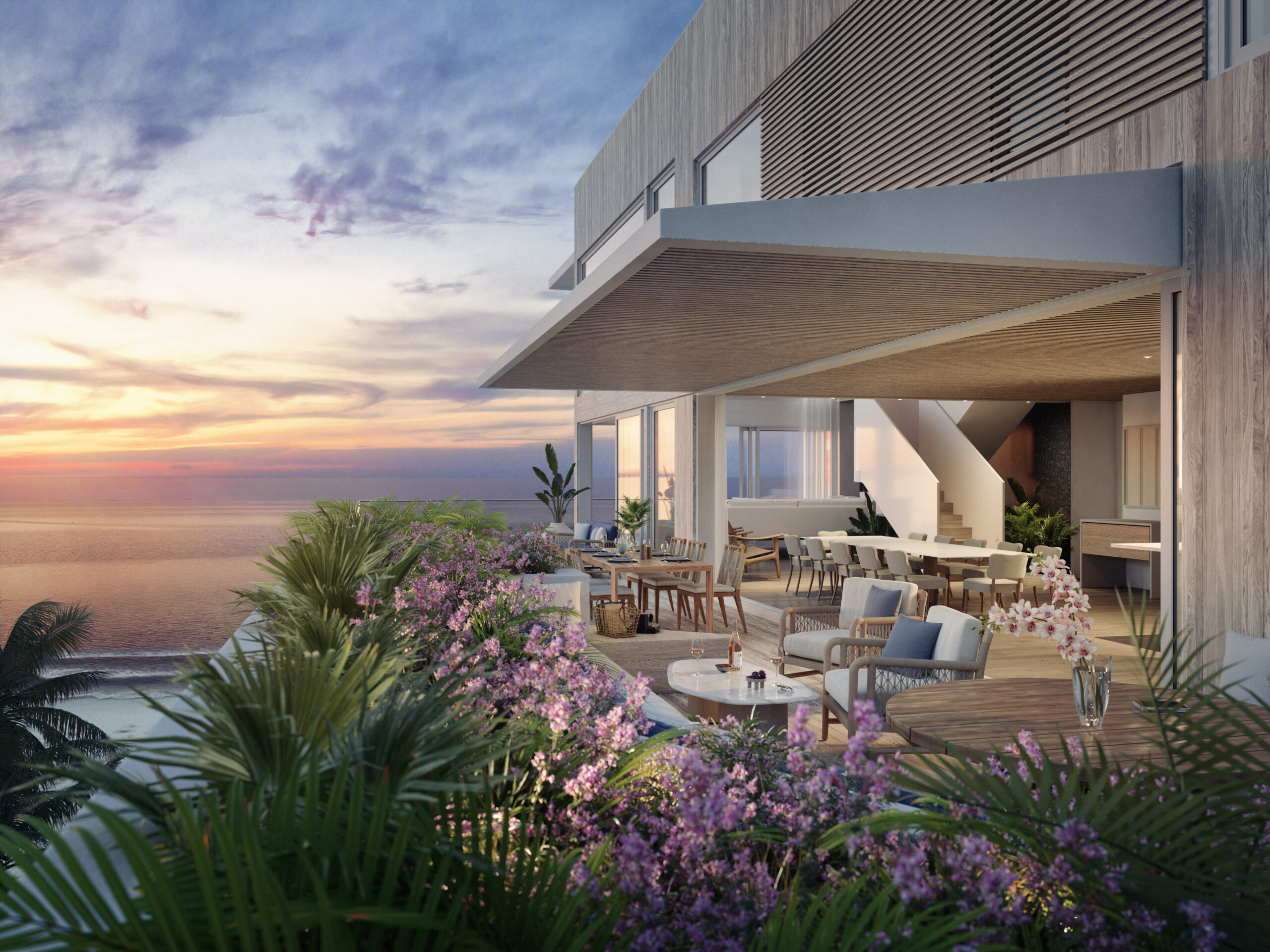
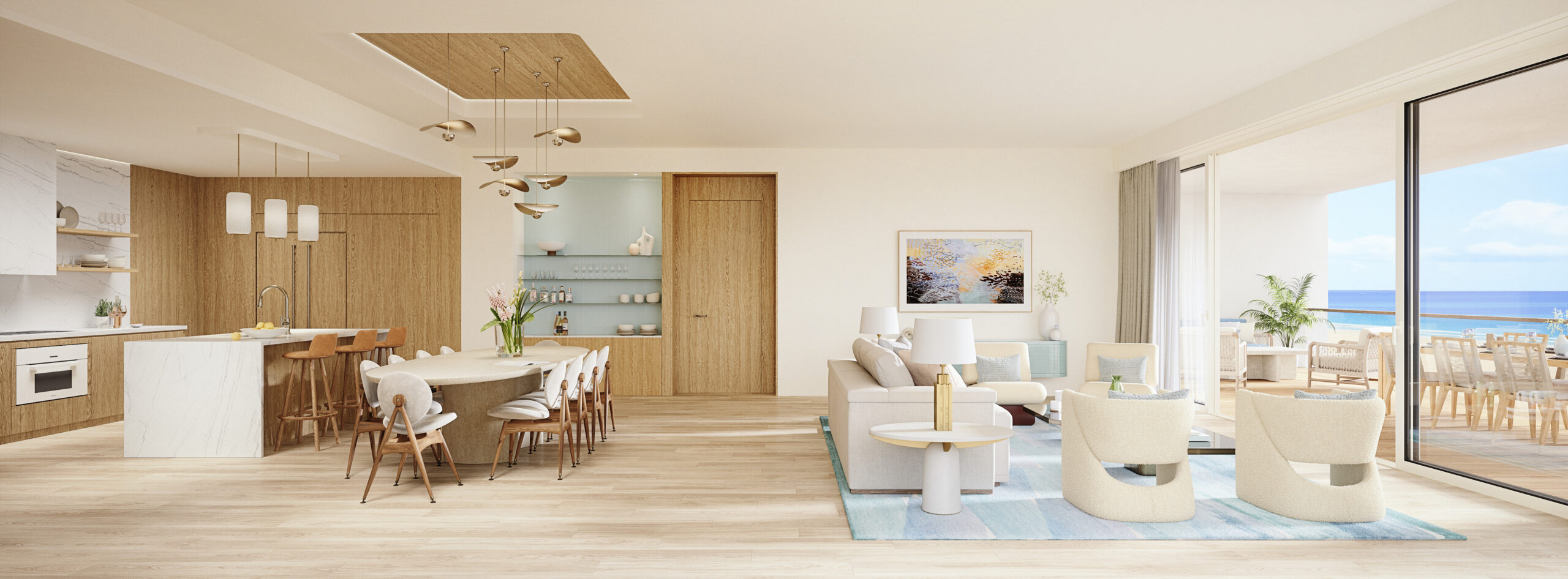
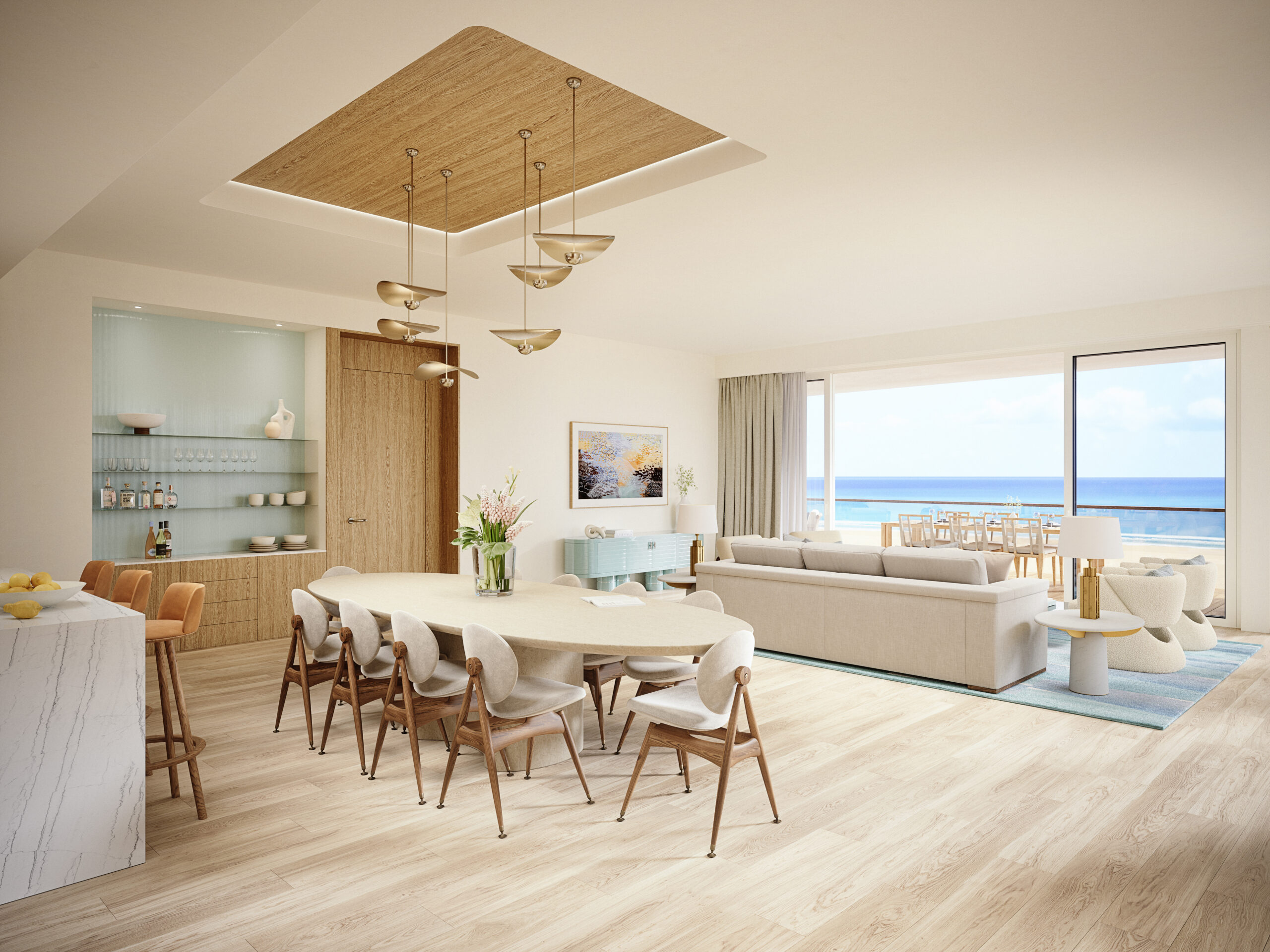
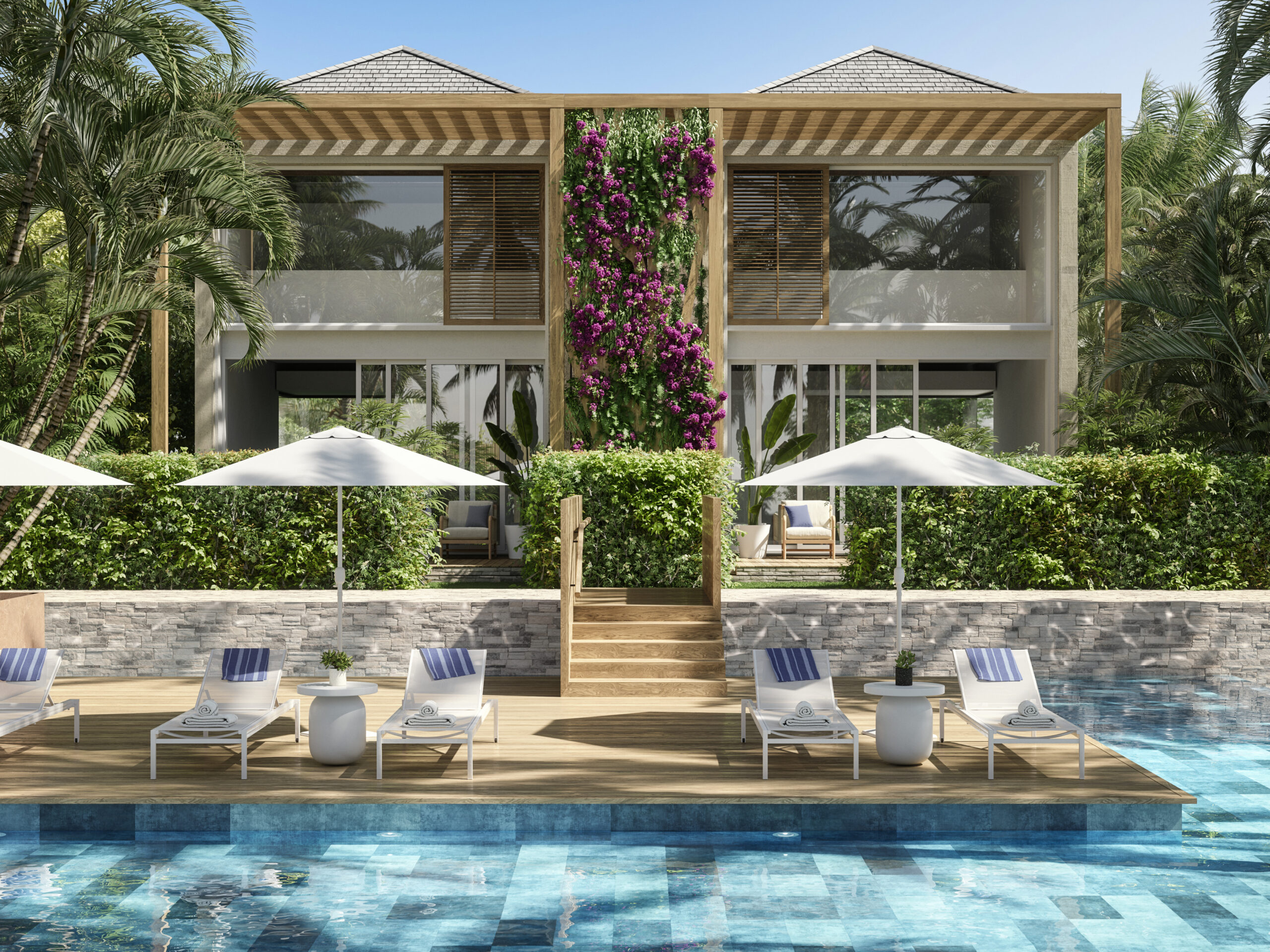
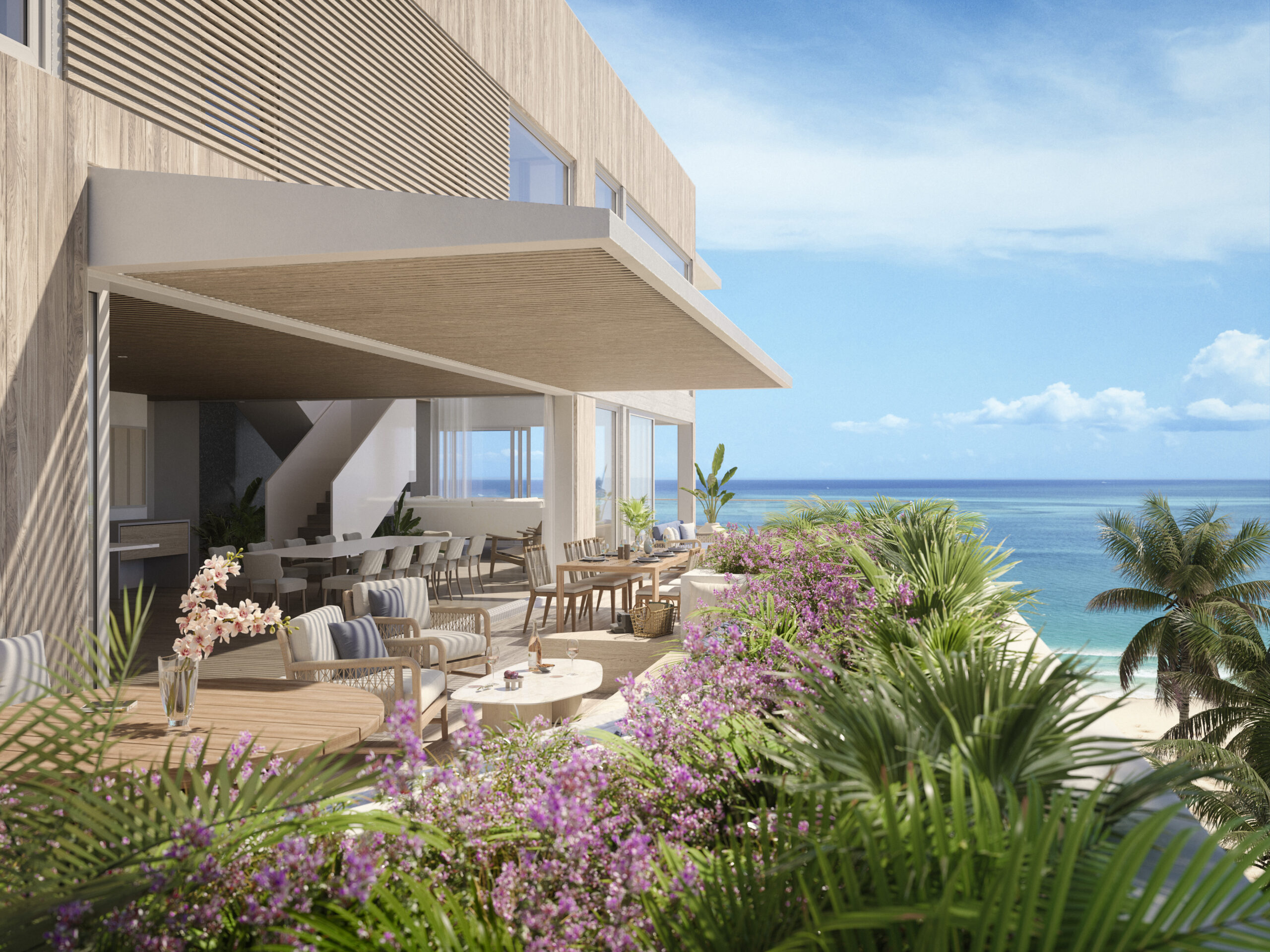
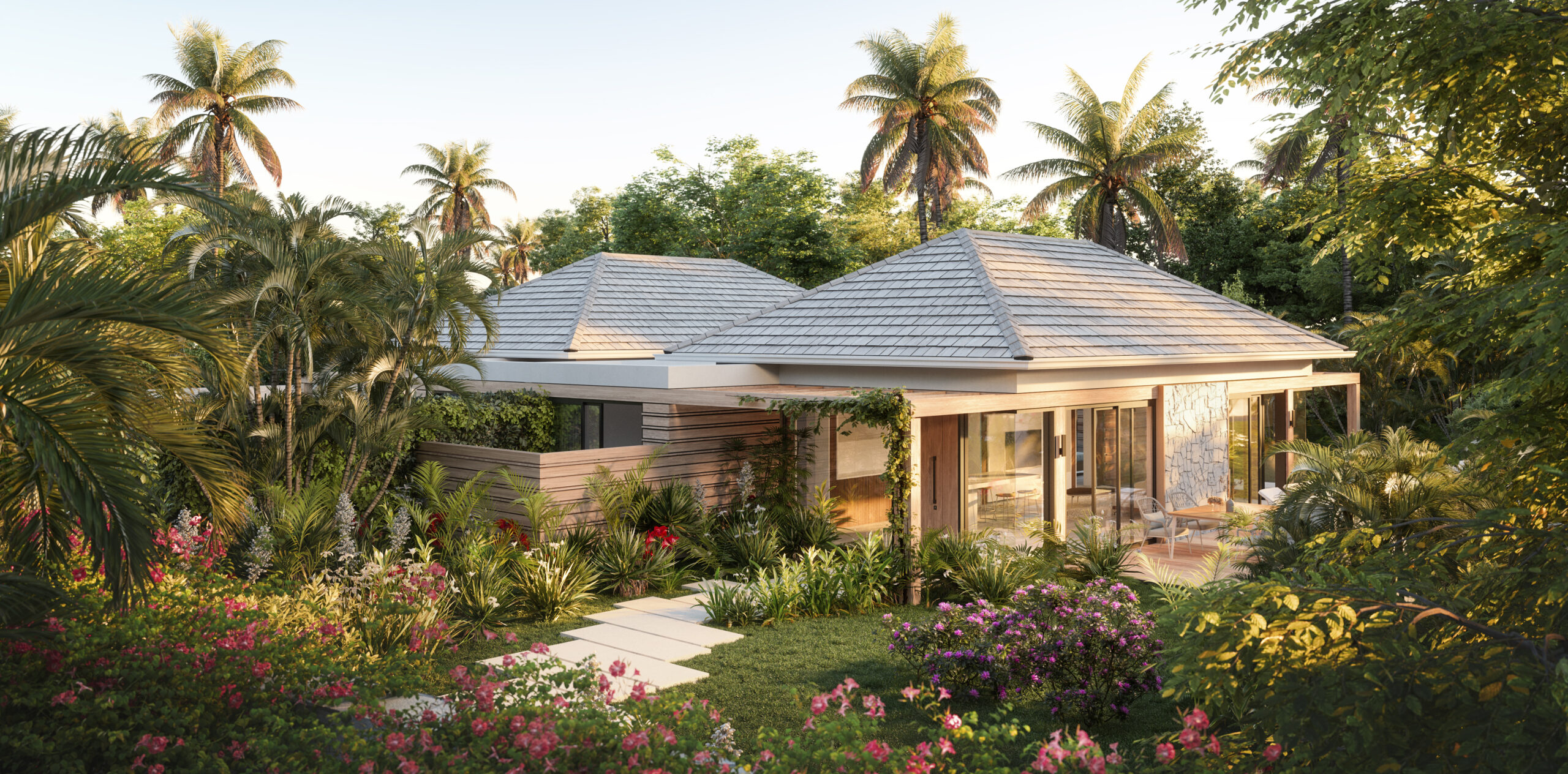
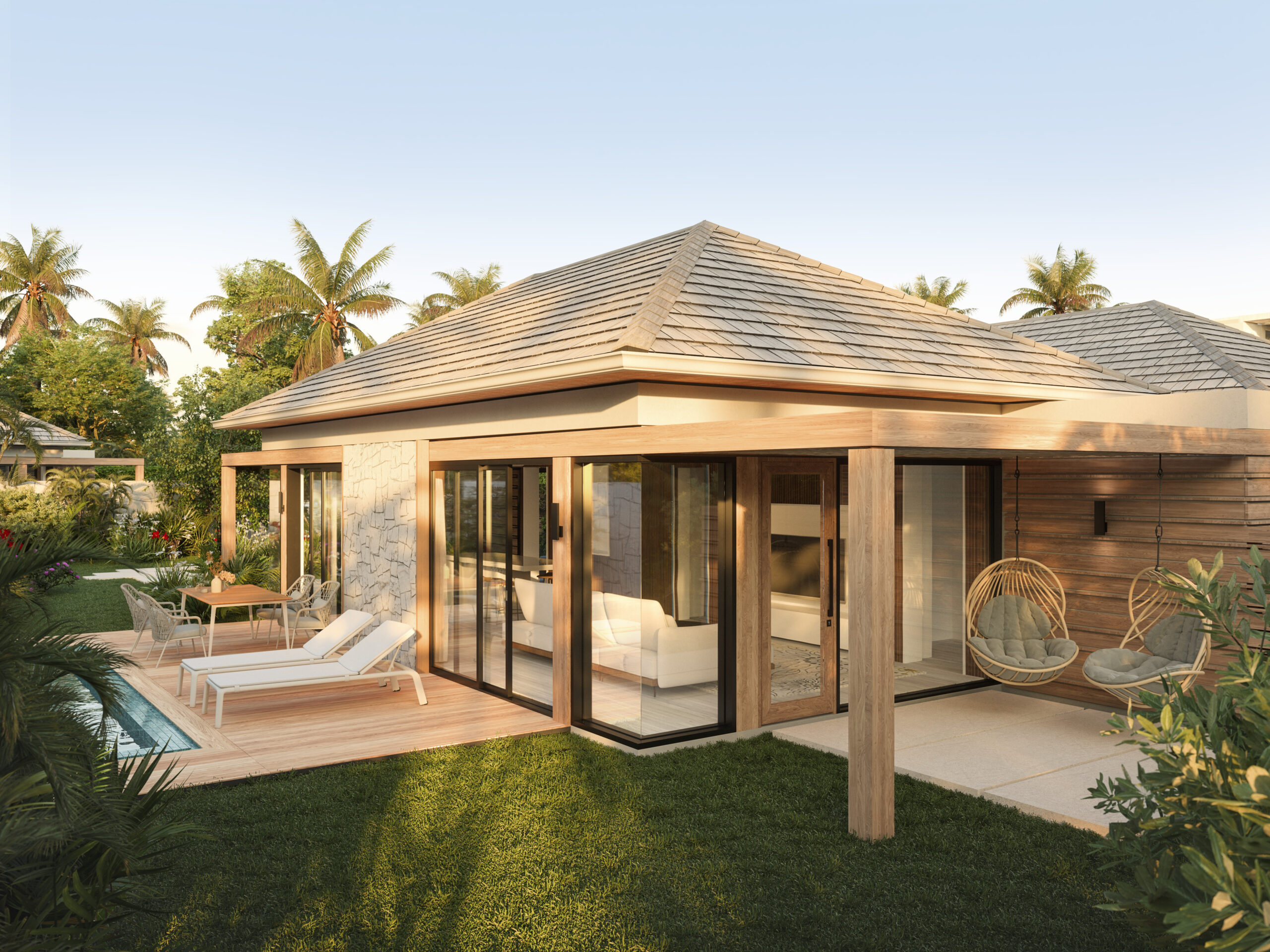
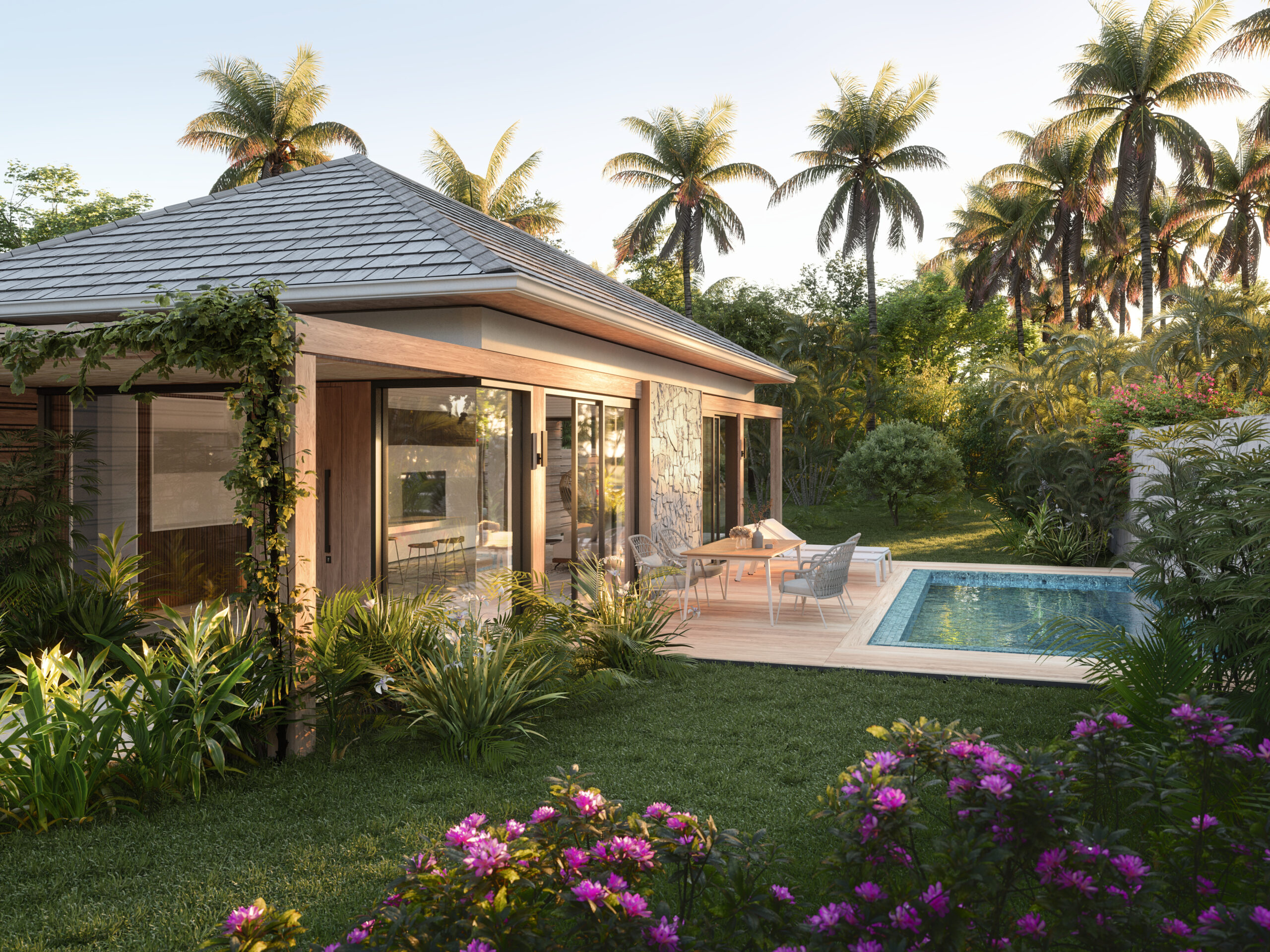
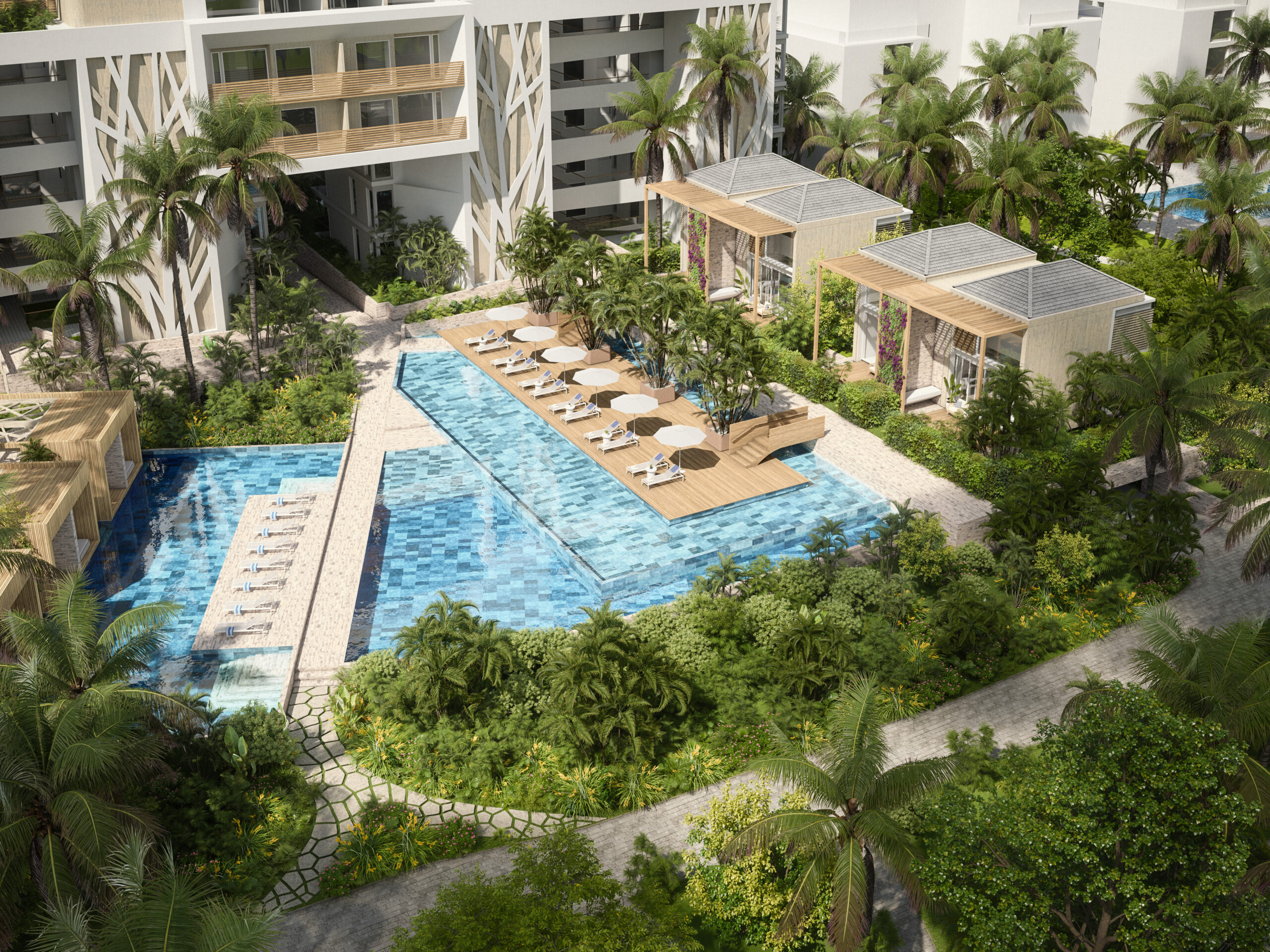
MD: At Grace Bay Resorts, we integrate sustainable practices, highlight local artisans and businesses, and create experiences that celebrate the islands’ heritage. The Point, our latest endeavor, is a prime example of this approach, designed to blend luxury with environmental and cultural responsibility.

BL: What first motivated Grace Bay Resorts to invest in cultural education and preservation initiatives on the islands?

MD: Grace Bay Resorts has always valued the distinctive heritage of the Turks & Caicos Islands. We understand that the culture, history, and traditions of the islands are what make this destination so remarkable, and that preserving and honoring them is vital for both the community and the experience we offer our guests. 

BL: How do you see these cultural programs enhancing the guest experience—not just as entertainment, but as meaningful connection?

MD: By experiencing the history, music, art, and cuisine of Turks & Caicos firsthand, visitors leave with a deeper appreciation for the community and a stronger emotional connection to the place they are visiting, creating the attachment to continue visiting a destination time and time again.

BL: Why do you think it’s important for visitors to understand the craftsmanship behind these cultural practices?

DL: This transforms a simple experience into a deeper appreciation for the artistry and traditions that define the islands. Guests gain respect for the community and its heritage, which fosters a more meaningful connection to Turks & Caicos and the people who ultimately bring its culture to life.

BL: Grace Bay Resorts has played a significant role in shaping the tourism landscape here. How do you ensure development doesn’t come at the expense of the island’s cultural or ecological fabric?

MD: Our goal is to create spaces that enhance the guest experience while protecting the environment and celebrating the unique heritage of Turks & Caicos, so that growth benefits both the islands and the people who call them home.

BL: What’s the hardest part about developing responsibly on a small island nation like Turks & Caicos?

MD: Land and resources are limited, so every project must carefully consider its environmental impact and the effect on local communities. This requires thoughtful planning, collaboration with experts, and a commitment to sustainable practices to ensure that the development enhances the islands.

BL: When planning new projects, what questions do you ask to make sure the work aligns with sustainable and cultural-preservation goals?

MD: We consider how the development will impact the environment and local community. With The Point, these questions are especially central, guiding us to create spaces that enhance the guest experience while honoring the islands’ culture and natural beauty.

BL: What kinds of opportunities do you think the hospitality industry should be creating for local artisans, storytellers, and tradition-keepers?

MD: The hospitality industry should foster initiatives that celebrate and preserve local culture. By incorporating local talent into the guest experience, we help safeguard these cultural practices while providing visitors with authentic and meaningful connections to the islands.

BL: Where do you see the future of cultural tourism on Turks & Caicos heading?

MD: Cultural tourism in Turks & Caicos is moving toward a richer integration of authentic experiences that complement the islands’ rapid growth. This growth presents a unique opportunity for cultural tourism to thrive alongside luxury travel, offering guests not just stunning beaches but also lasting engagement with local history, art, and traditions.

BL: What legacy do you hope Grace Bay Resorts leaves—not just in hospitality, but in cultural stewardship?

MD: At Grace Bay Resorts, we hope to leave a legacy that goes beyond exceptional hospitality. The recent groundbreaking of The Point represents the next chapter in the evolution of Grace Bay Resorts, offering innovative spaces that integrate seamlessly with the islands’ natural beauty. As the property takes shape, it will not only elevate the guest experience but also strengthen the cultural and environmental foundation of Turks & Caicos.

You may also like

AI-Powered

Find Your Perfect Branded Residence

Take our 60-second quiz and discover luxury properties matched to your lifestyle

Start the Quiz