The Riviera Horizons founder, Mikael Hamaoui, on growing up in Miami, taking the long bet on North Bay Village, and why Pagani Residences is about designing a feeling, not a car.
The Riviera Horizons founder, Mikael Hamaoui, on growing up in Miami, taking the long bet on North Bay Village, and why Pagani Residences is about designing a feeling, not a car.

|
Getting your Trinity Audio player ready...
|
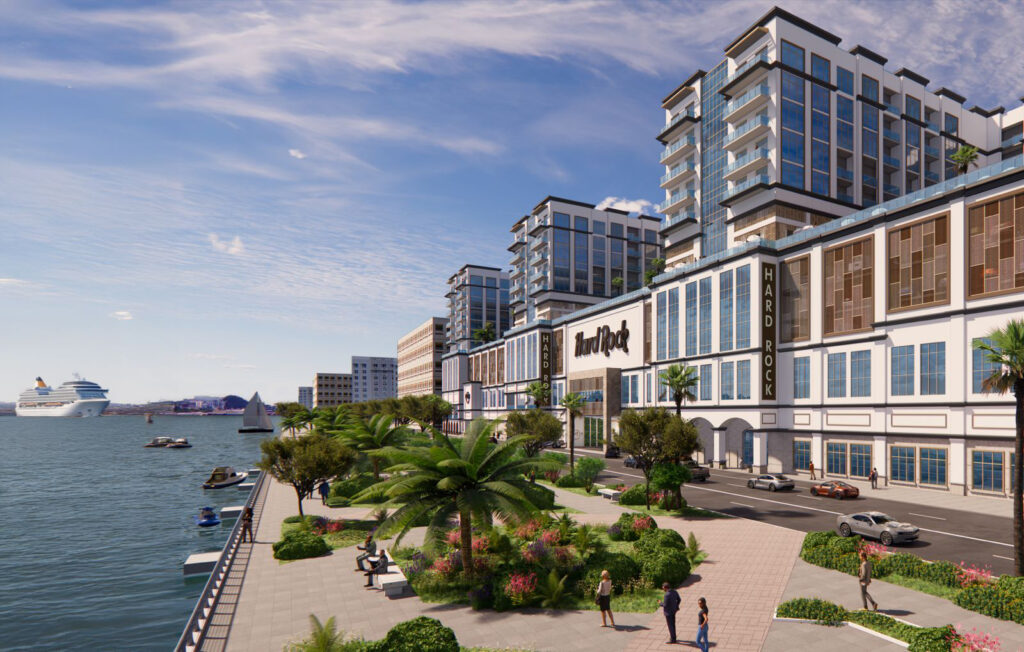
Mikael Hamaoui grew up on La Gorce Island, which meant he spent his childhood driving through North Bay Village on the way to everywhere else. For decades, it was a place you passed through. But Hamaoui saw what others didn’t: a thread of land perfectly centered between Miami and Miami Beach, quietly waiting its turn.
Today, that thread is home to Pagani Residences, the first residential project from the legendary hypercar brand—a building designed not in the image of a car, but in the image of a philosophy.
We sat down with Hamaoui recently to discuss that vision, his partnership with Horacio Pagani, and what it really means to translate a feeling into four walls.
Mikael Hamaoui: I grew up on Biscayne Island, so I drove through North Bay Village my entire life, going to high school, going everywhere. And for as long as I can remember, it was just a drive-through area—something you used to cross from Miami Beach to Miami. There wasn’t much going on there for 20 to 25 years.
But I watched Miami grow and evolve. I remember my dad in the early 2000s, watching the city rise, seeing all these development projects go up in 2005-2006. And he said to me: “One day, North Bay Village will have its moment. You’ll see that area develop like crazy.”
That always stuck with me. And as Miami grew into all these incredible neighborhoods—Downtown, Brickell, the Design District, Wynwood, Surfside, Bal Harbour—I kept thinking about North Bay Village. If you look at all the connecting points between Miami and Miami Beach, every single one has seen tremendous development at some point. Star Island. Hibiscus Island. The Venetian Islands—nobody thought of those as luxury places to live back in the day, and now they’re some of the most desirable areas in the world. Bay Harbor went through the same thing about seven years ago.
North Bay Village was the last one. Literally the last one. But ironically, it’s actually the most centrally located. It’s equidistant from everything. It’s not too far north, not too far south, not too far east. It’s right in the middle of this triangle that Miami has become.
So when I heard whispers that North Bay Village had a new mayor who was very pro-development, that they were going to change the zoning code, my ears perked up. I thought: this could be it. This could be the moment.
My father and I started looking at sites. I heard about one that had some issues, the seller was motivated, and the price was very cheap relative to development sites today. The problem was that the zoning code hadn’t changed yet. But I talked to the mayor and the commissioners, and in a small city, you can actually connect with these people. It became very clear that change was about to happen. So I made a bet. I rolled the dice.
I closed on my site several months before the zoning code passed. I took the risk. And not long after, the Channel 7 News site, the largest landowner there, which had been sitting on that land for 70 years, went on a buying spree. They went from owning an acre and a half to owning close to 13 acres. They had been waiting 70 years for that moment. They just needed the foundation.
So yes, I was first. But I wasn’t the only one who saw it. I was just early enough to place the bet.
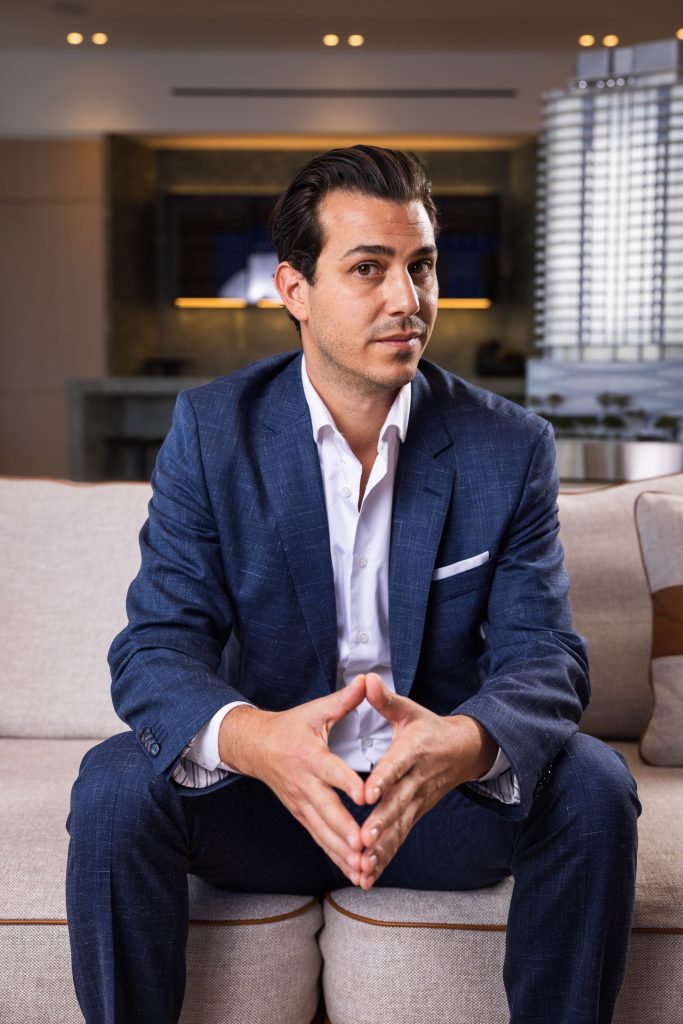
MH: My first exposure to Pagani was through a PlayStation game—Gran Turismo 3. I was maybe 15 or 16 years old, so we’re talking 20-plus years ago. The Zonda was one of those crazy hypercars in the game, and I just remember thinking: wow. That image stuck with me.
So to reconnect with that brand so many years later, for this kind of project, it really was a full-circle moment. Over those 20 years, Pagani became much more than a one-off. They established themselves as a long-term, exclusive, ultra-high-end hypercar company. I’d never been to the factory, but I understood what the brand represented.
When I got connected with Christopher Pagani and the Pagani team, I had a pretty good understanding of their ethos. But I’ve learned so much more since launching this partnership. My appreciation and respect for what they do have only grown. I think that’s very telling about how incredible the brand and the company really are.
MH: I’ll give you a specific example. We were in a design meeting once, and Horacio asked: “How do the doors open?”
I thought: doors open like every other door you’ve ever opened in your life. You turn the handle, and they open. But he said, “I really don’t like the handle that sticks out. It’s always been a pet peeve of mine.”
By chance, our interior designer was in the meeting; we always have the whole team there, because you never know when an idea might spark something. And the designer said, “You know, there’s actually a new system that uses magnetic technology. The magnet pulls back when you open the door.”
We explored it, and it was perfect. Now all the doors in the residences have that system.
Later, I asked why he was so focused on the door. Someone from Pagani explained: the first moment a client experiences with the car they’ve purchased is opening the door. It’s their first touchpoint. It’s ground zero for the entire experience. Horacio wanted to implement that same philosophy in the apartment.
So it's not a car-related detail, exactly. But it also kind of is. It's about that moment of arrival, that first touchpoint, and making it feel special. It's about thinking through what the client experiences and feels when they enter their residence, just as they do when they get into their car.
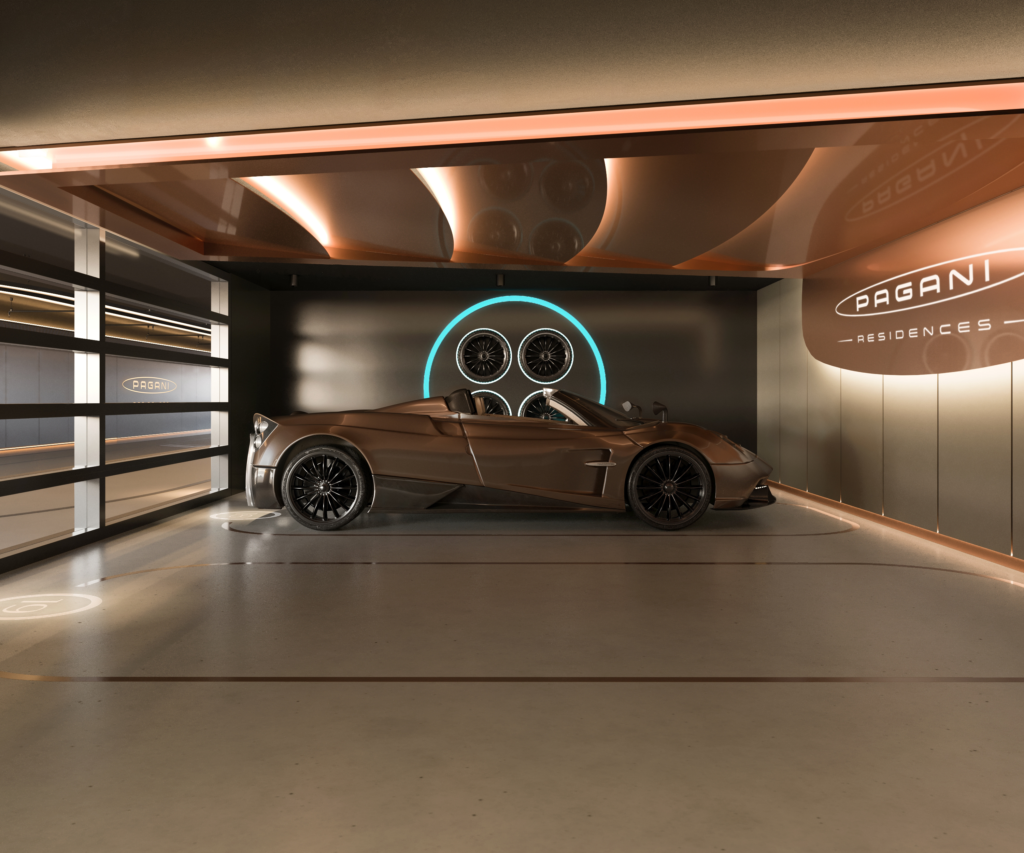
MH: That’s the core question, and it’s why this project is different from other “automotive” buildings. We get lumped in with car-branded residences all the time, but our philosophy was never about building a car building.
Horacio Pagani isn’t just a car designer. He’s an engineer and designer first. He’s designed bicycles, furniture, even collaborated on watches and private jet interiors. Clients started asking him to help design their helicopters, their homes. So Pagani Arte was born as a lifestyle extension of the brand.
When we talk about translating that philosophy, it’s not about putting carbon fiber on everything or making the building look like a car. It’s about the approach: designing a product that makes sense, flows well, and considers the emotional experience when you walk into the lobby or your unit. It’s about maximizing view corridors and creating a feeling.
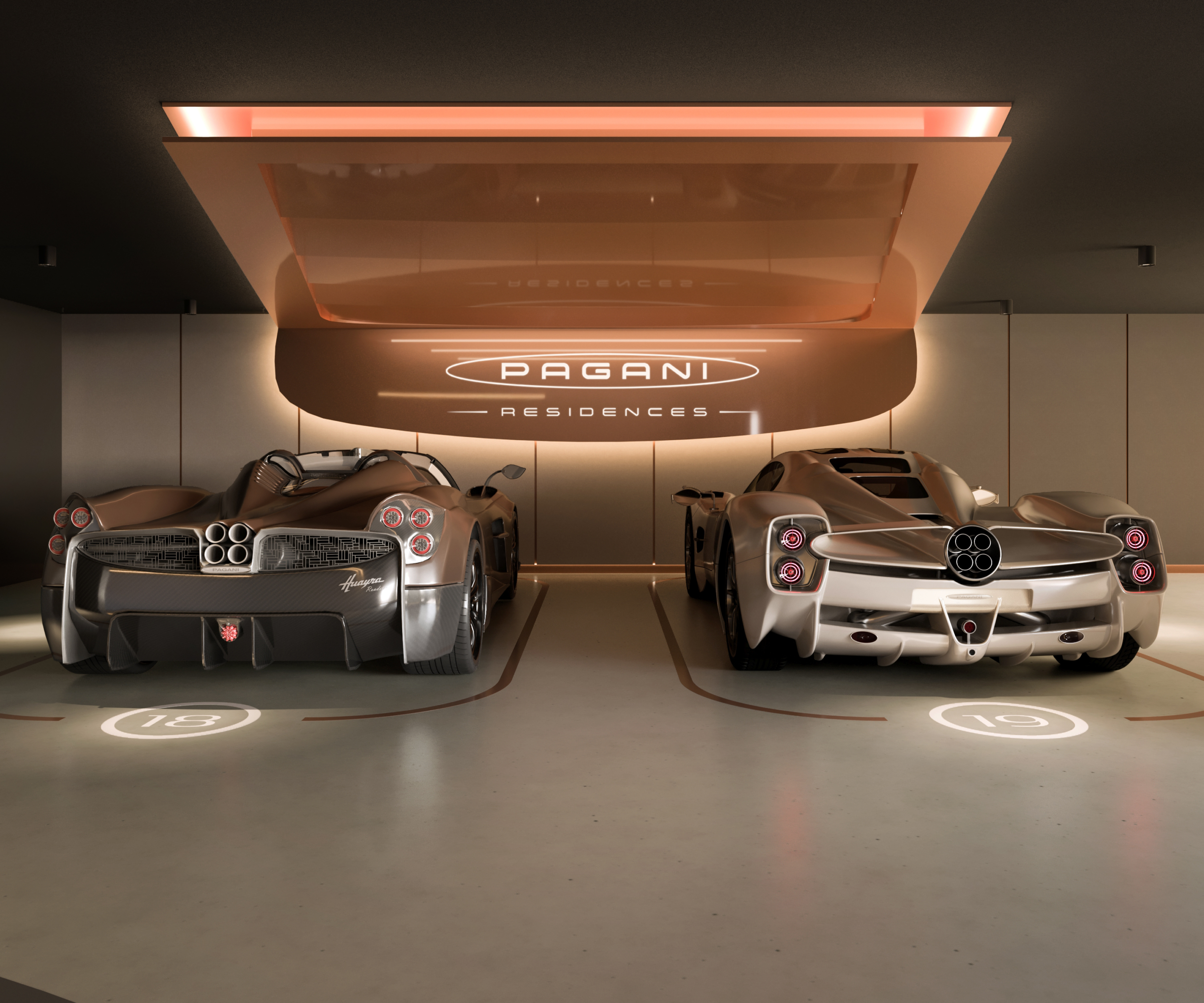
Yes, there are subtle nods. The cars are known for their quad exhaust and iconic logo. So in certain areas of the building, you’ll see quad lights, four spotlights grouped together. If you know the car, you’ll spot that detail. But if you don’t, it just looks like beautiful lighting.
One of my favorite details is the flooring. Pagani Arte designed the Pagani Chevron—a flooring pattern with metal inlays that split some planks. It’s subtle, complex, and completely unique. Nobody reinvents flooring. You walk into most residences and flooring is a standardized thing—you choose your white oak, maybe herringbone or straight lay, and that’s it. These patterns have existed for hundreds of years. To have something truly new, truly designed by the brand using materials they love, is something else entirely.
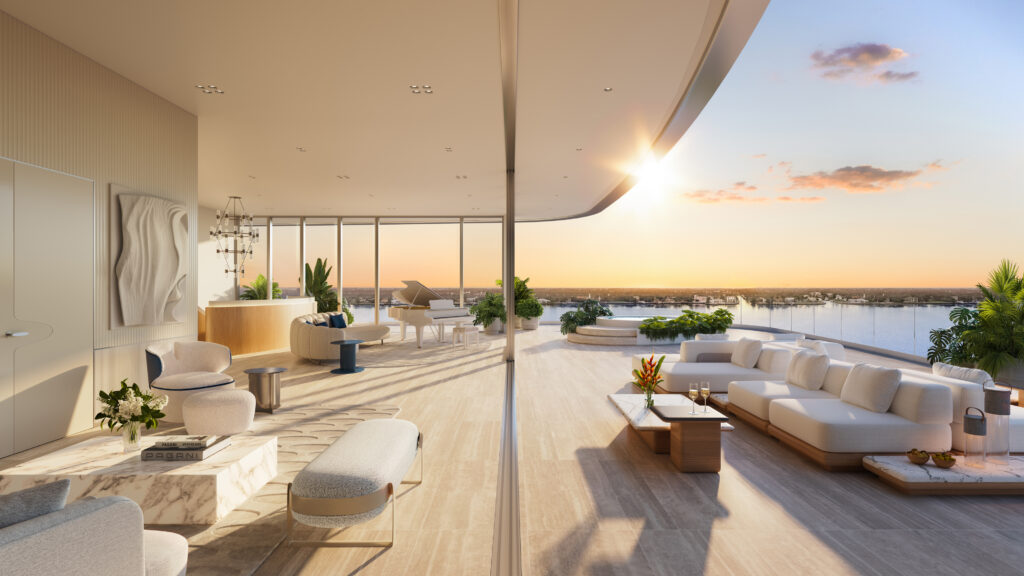
MH: I don’t know about pioneer, but I grew up here. I saw what happened to every other connecting point between Miami and Miami Beach. I watched them transform, one by one. North Bay Village was the last one, but it also had the advantage of being the most central once Miami became this vibrant, multi-nodal city.
People don’t just want to live in Miami Beach anymore. They want access to all of it. North Bay Village gives you that. It’s this protected, kind of quaint area that’s still incredibly close to everything. You can have your sanctuary, your privacy, but you’re minutes from the Design District, Wynwood, Aventura, and the airports.
When I was pitching Pagani on this location, it was still very early days. The transformation hadn’t happened yet. And Horacio is someone who left Lamborghini because he saw the future of carbon fiber and decided to go make that vision happen himself. He’s always forged his own path.
I told him: you can be the first, or you can be the last. You can go where everyone else is building, or you can pave the way. That resonated. It was a risky decision at the time—we believed it would happen, but believing and materializing are two different things. Now, looking at everything North Bay Village has become, I think they can be very proud of that decision.
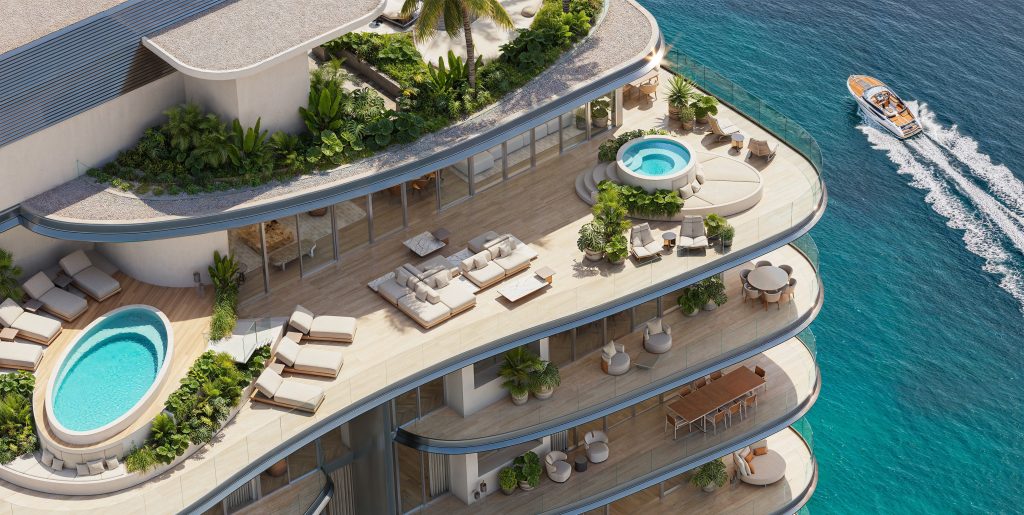
MH: I hope they feel that they’re part of something larger than just an apartment. One thing that makes this project unique—and I think this is why other branded residences sometimes fail—is that we have the founder, alive and well, still at the helm of his company, working day to day with his two kids. That’s incredibly rare.
When people buy a Pagani, they’re not just buying a car. The performance is peak, yes, but that’s not what they’re purchasing. They’re buying access to a community. They’re buying an experience, the journey of designing that car with Horacio and his team. I’ve heard stories from Pagani owners who were actually sad when their car was delivered, because the design process was over. That’s how special it is. That’s why over 60% of Pagani’s production goes to existing owners. They’re repurchasing the experience, the community, the joy of creation.
We’ve brought that same philosophy to the Sky Residences and the penthouses. Buyers can go on that same journey of working with the Pagani Arte team to design their home, the same way you’d design a car. I honestly hope some people feel a little sad when their unit is delivered, because that will mean the process was meaningful.
And here’s something else: Horacio himself has an apartment in the building. The Americas headquarters is now in Miami. He’s going to be your neighbor. Several of his key people are on the same floor. You’re not just buying into a brand; you’re buying into a family. I’ve seen it at the Pagani Raduno, the gatherings they organize. Owners travel together, they know each other, they’re best friends. It’s a real community.
I remember meeting a guy who bought a Pagani second-hand. Two weeks later, he got a call from Christopher and Horacio, who welcomed him into the family. He had no idea what he’d walked into. He thought he was buying a car. Now he’s got two more on order, he’s designing them in Modena, he’s traveling to the Raduno with his new friends. That’s what Pagani is.
And that’s what we’re building here. Not just architecture and design, but the fabric of community. It has to be about who your neighbors are, what you share, how you live together. In hindsight, when you connect all those dots, it makes perfect sense that the first Pagani Residences is in North Bay Village.
Pagani Residences will comprise 70 homes in North Bay Village, with construction scheduled to break ground in mid-2026. For more information, visit the project website
Take our 60-second quiz and discover luxury properties matched to your lifestyle
Start the Quiz