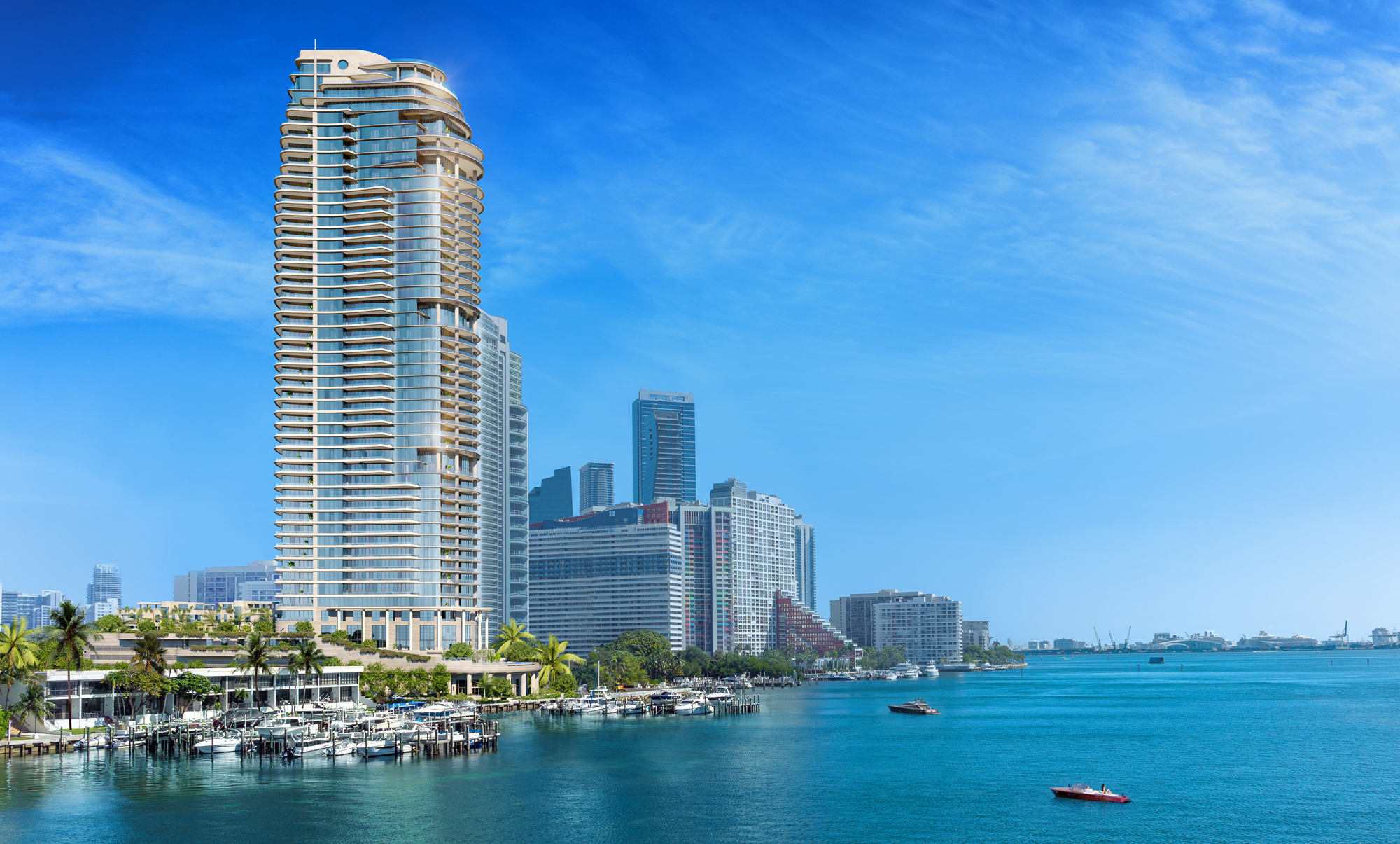
Related Group announces The Charles penthouse at their newest Brickell development, The St. Regis Residences, Miami, is under contract for $47 million, and it’s one of the largest and highest-priced condominium transactions in Brickell’s history.


|
Getting your Trinity Audio player ready...
|
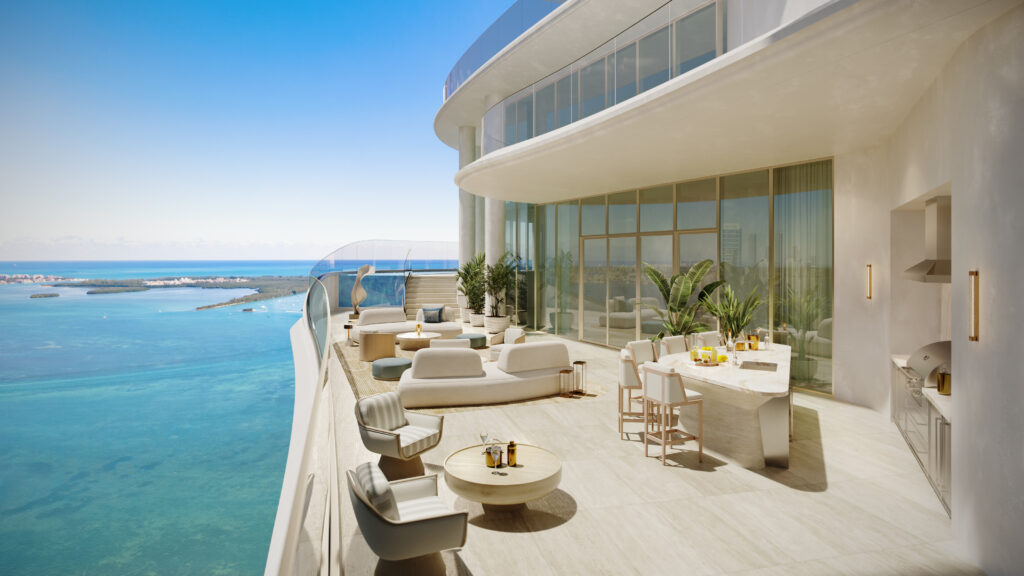
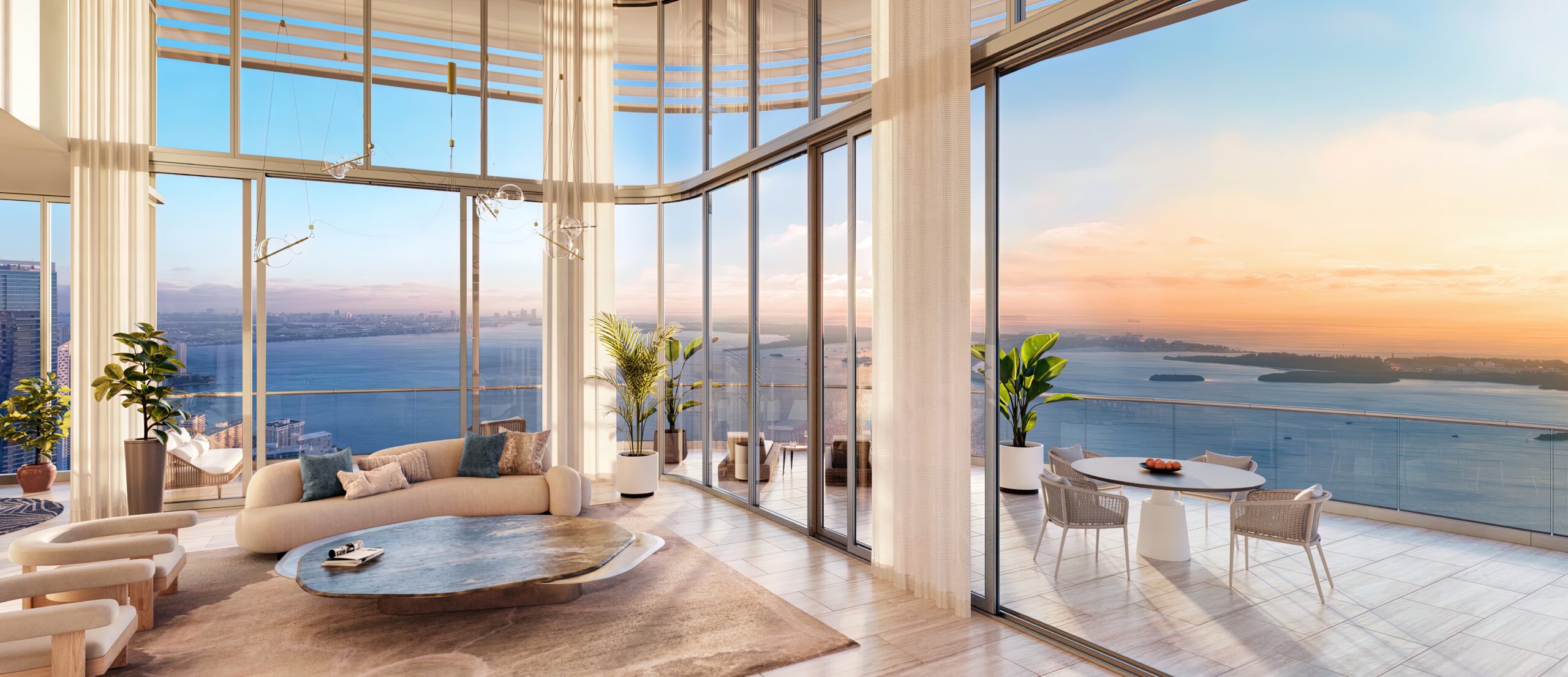
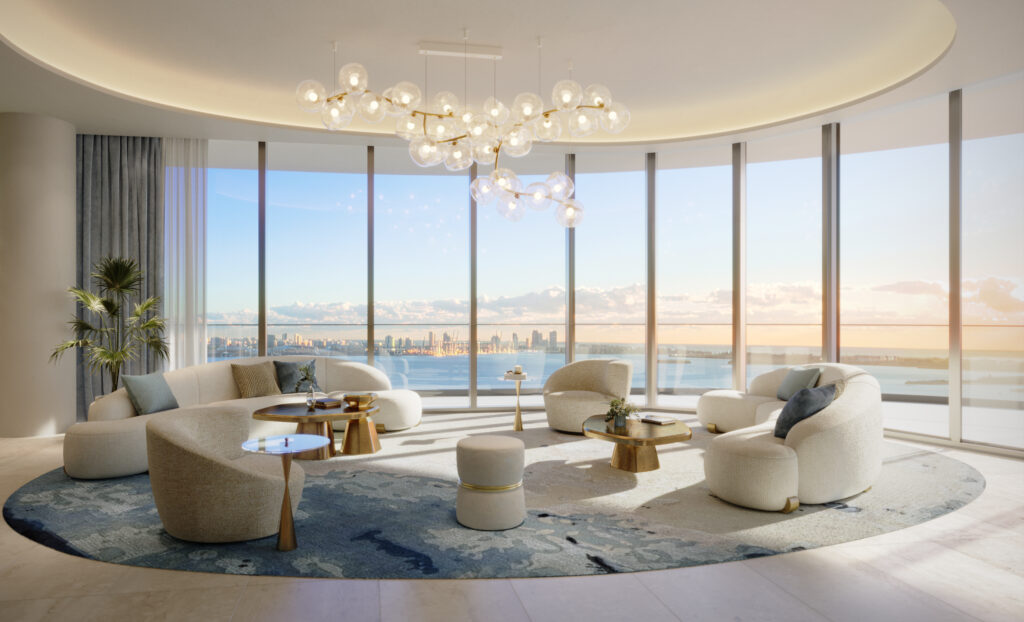
A two-story residence occupying the highest floors of The St. Regis Residences, Miami, recently moved under contract for $47 million. The buyer, a New York family relocating to South Florida, has purchased a 10,012-square-foot penthouse identified as The Charles; a sum that places it among the largest condominium transactions in Brickell history and signals a new pricing frontier for Miami’s dense downtown.
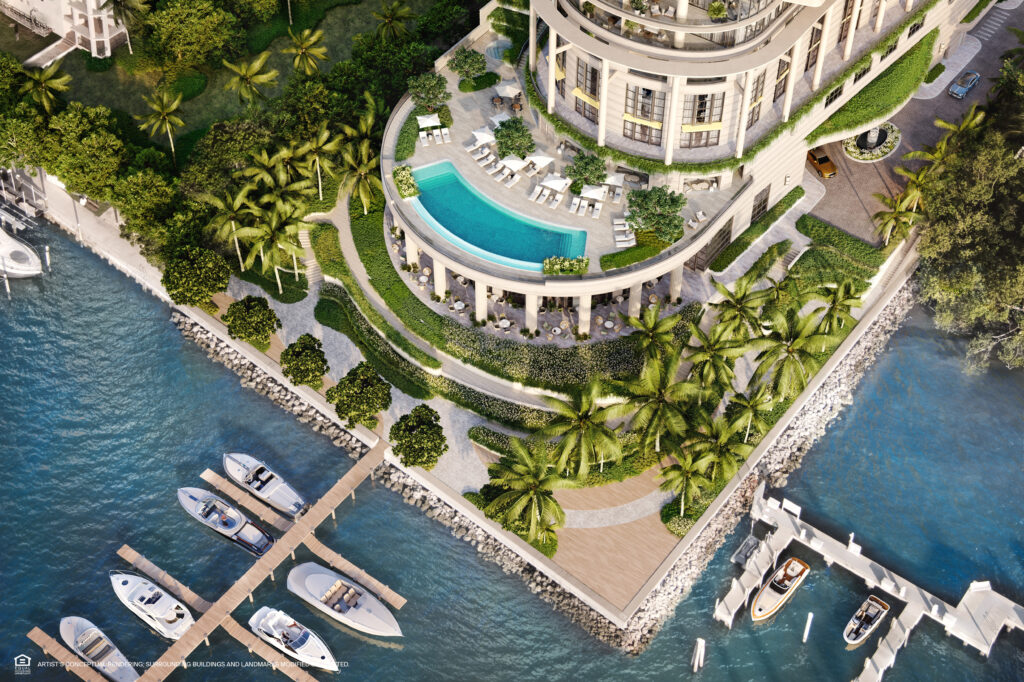
The deal, announced by Related Group, is notable not only for its headline number but for what it reveals about buyer behavior and product positioning across the city. The sale pushes the 50-story tower past the 80 percent-sold mark; Related reports roughly $900 million in total sales to date and says the project is on track for a near-$1 billion sellout. Designed by Robert A.M. Stern Architects, the waterfront development is expected to top out later this year ahead of a 2027 completion.
The St. Regis name brings a catalog of service standards and a clientele that expects a certain programmatic offering; from concierge services to management frameworks that mirror the hotel. In Miami, where lifestyle, climate and tax policy continue to draw people from the Northeast, that formula has proven persuasive.
What sets this transaction apart is location. Historically, Miami’s highest-priced condo sales have concentrated along the beach and on private islands; the urban core of Brickell was where finance firms and dense residential midrises took root. Over the past decade, however, that map has shifted: developers have been bringing taller, architect-led towers to Brickell in an attempt to transplant top-tier pricing into the city center. The Charles penthouse suggests that strategy is succeeding, at least for product that pairs a signature brand with a prominent architect.
Robert A.M. Stern Architects has a long track record of translating classical proportion and materiality into marketable homes. Stern’s name is a valuation cue in places like New York; in Miami it functions similarly, providing a story that brokers can tell affluent buyers who are weighing price against pedigree.
At roughly $4,700 per square foot, the penthouse’s implied price per square foot sits comfortably within the upper range for newly completed product in Miami’s core while remaining below the per-square-foot records set on the barrier islands. That spread matters: it creates room for buyers who want an urban address with water views and hotel services but do not want to be on the beach. For Related, the sale validates a pricing strategy that has pushed the tower’s revenue close to the billion-dollar mark.
Related Group, led by chairman Jorge Pérez, is among Miami’s most prolific developers. The company’s résumé includes a long list of residential towers and mixed-use projects that helped reshape the skyline. The St. Regis Residences, Miami, represents a continuation of that approach: partner with an internationally recognized hospitality brand, hire a signature architect to give the building cachet, and aim at buyers who are migrating to South Florida with capital in tow.
Since the pandemic, South Florida has remained a magnet for buyers from the Northeast. Tax considerations, remote work flexibility and lifestyle preferences have been structural tailwinds for the market. In bricks-and-mortar terms, the result has been a greater appetite for larger units and branded product. High-net-worth buyers moving from New York and Boston bring purchasing behavior shaped by dense urban living and expectations for service, which branded residences supply.
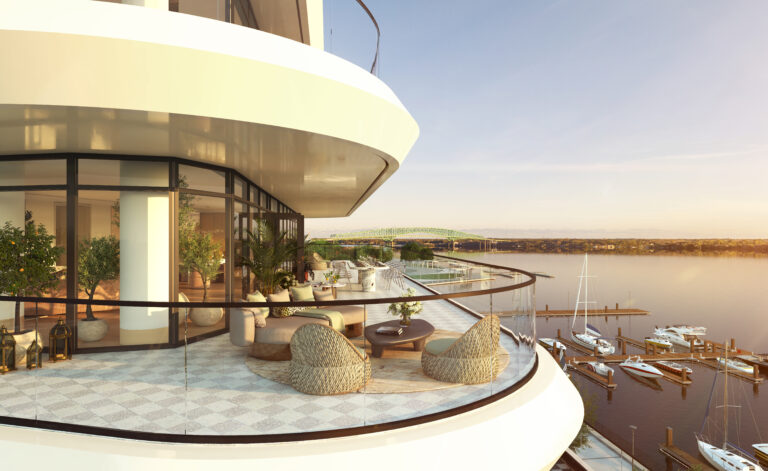
Developers are refining their product strategies. In Brickell, where lots are scarcer and views are a premium, architects and planners are emphasizing setbacks, terraces and bay-facing exposures. For would-be buyers, proximity to downtown amenities is part of the appeal. The St. Regis tower combines those location advantages with a hospitality program intended to support the residential offering.
The Charles penthouse transaction may accelerate a broader recalibration of Miami’s price map. If upper-tier buyers accept high price points in Brickell, other developers will likely press to put signature buildings in the neighborhood. That could change the composition of the market, drawing more amenity-driven projects and raising land values for available parcels.
But there are practical constraints. Brickell’s appeal as a downtown neighborhood depends on walkability, transit and services; the area will need continued investment in public realm and infrastructure to sustain demand at the top end. Additionally, as more high-priced units come online, the market will be tested for depth: are there enough buyers to absorb a steady stream of large, high-priced residences without pushing days-on-market higher or necessitating concessions?
For Related Group, the near-$1 billion sellout target frames the company’s immediate future. If the tower achieves that goal, it will be an important data point for other developers considering branded towers in Miami’s urban core. For buyers, particularly those relocating from the Northeast, the headline sale is a reminder that the city is no longer solely a beachfront play; downtown Miami can now compete for the same attention and capital.
The tower is slated to top out later this year and to complete in 2027; those benchmarks will offer clearer signals about whether the penthouse price is an outlier or the leading edge of a new Brickell market.
Either way, The Charles penthouse has made one thing visible: Miami’s high-end housing market continues to evolve. Where top-tier buyers place their bets will define the city’s skyline for years to come, and developers will be watching closely to see whether the rest of the market follows the path this $47 million transaction has outlined.