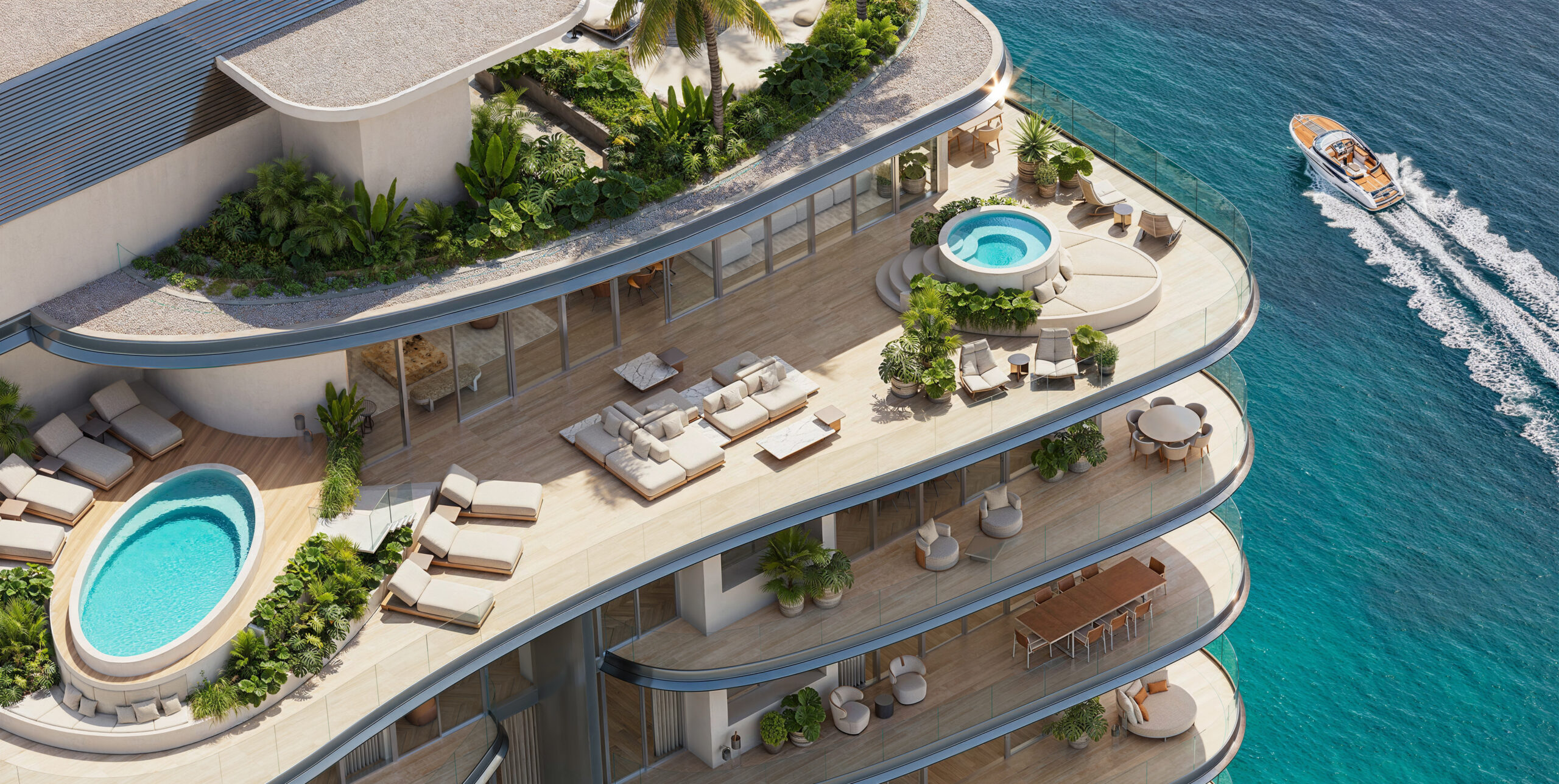
There is a particular kind of person who buys a branded residence in Miami. They have opinions about materials. They know who designed the lobby and why it matters. They might not own a Formula 1 car, but they understand the philosophy behind one: that performance and identity are inseparable, that the machine you choose says something before you say a word.
As the Miami Grand Prix returns to Hard Rock Stadium this month, we found ourselves mapping the grid onto the skyline. It’s a game, yes — but not an idle one. Both worlds are in the business of selling a very specific vision of who you are.
Here’s how we see it.
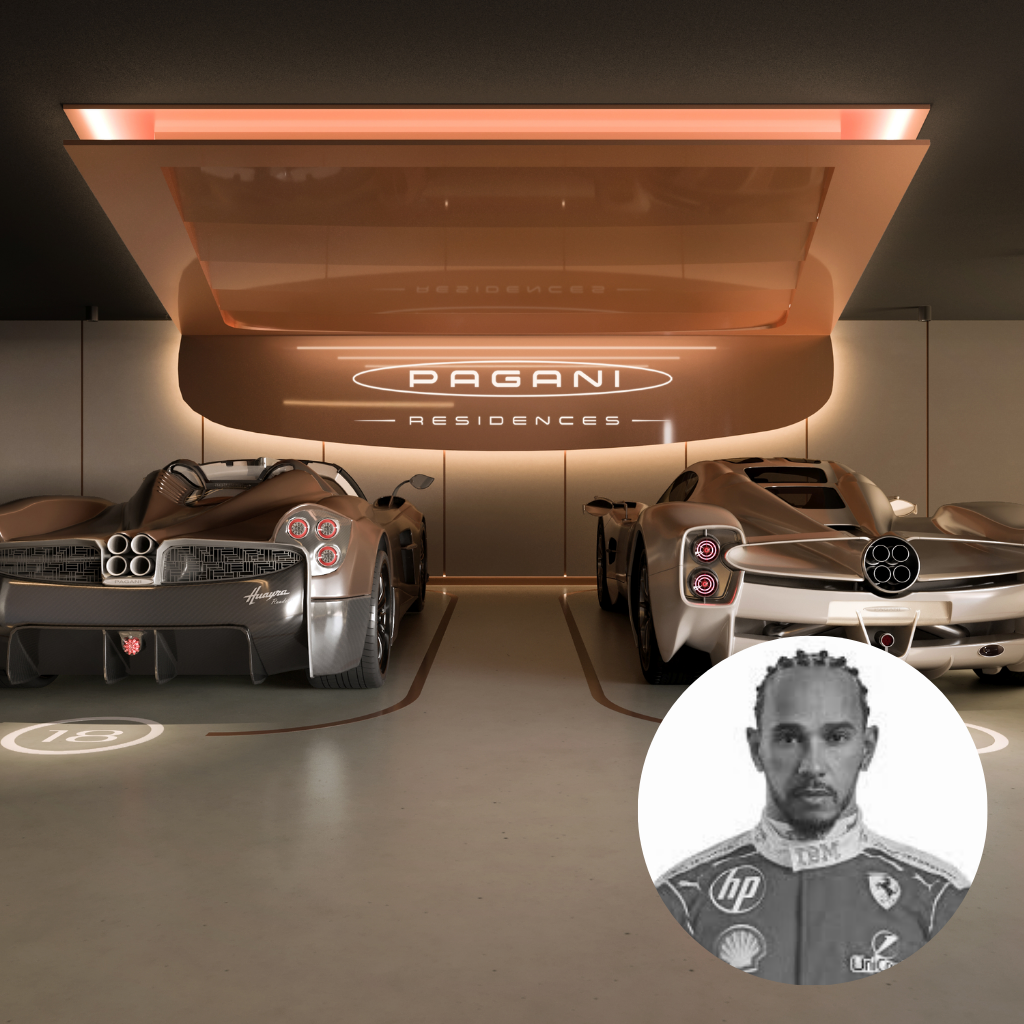
Pagani Residences → Lewis Hamilton
The design-conscious collector
Hamilton has spent his post-peak years proving that his identity was never just about winning. It’s about performance and precision in execution. Pagani Residences operates from the same premise: that craft is the point, and that a buyer who understands the difference between materials and finishes doesn’t need to be told why it matters. Both are for people who have moved beyond flash.
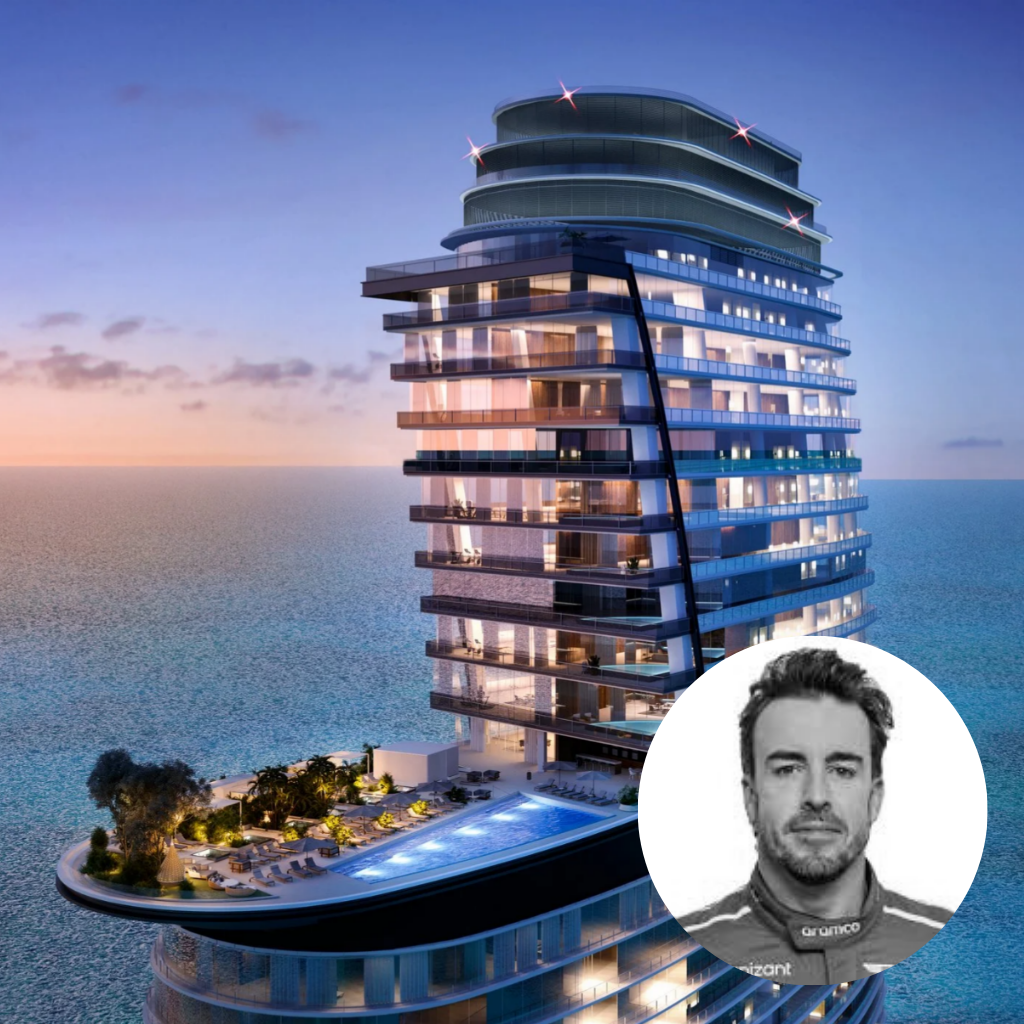
Aston Martin Residences → Fernando Alonso
The enduring strategist
Alonso is, improbably, still here. Still fast, still relevant, still competing at a level that embarrasses drivers half his age. Aston Martin Residences has the same quality: a building that arrived early in the branded residential boom and has held its ground through every wave since. There’s something almost architectural about how Alonso operates. He plays the long game. So does this building.
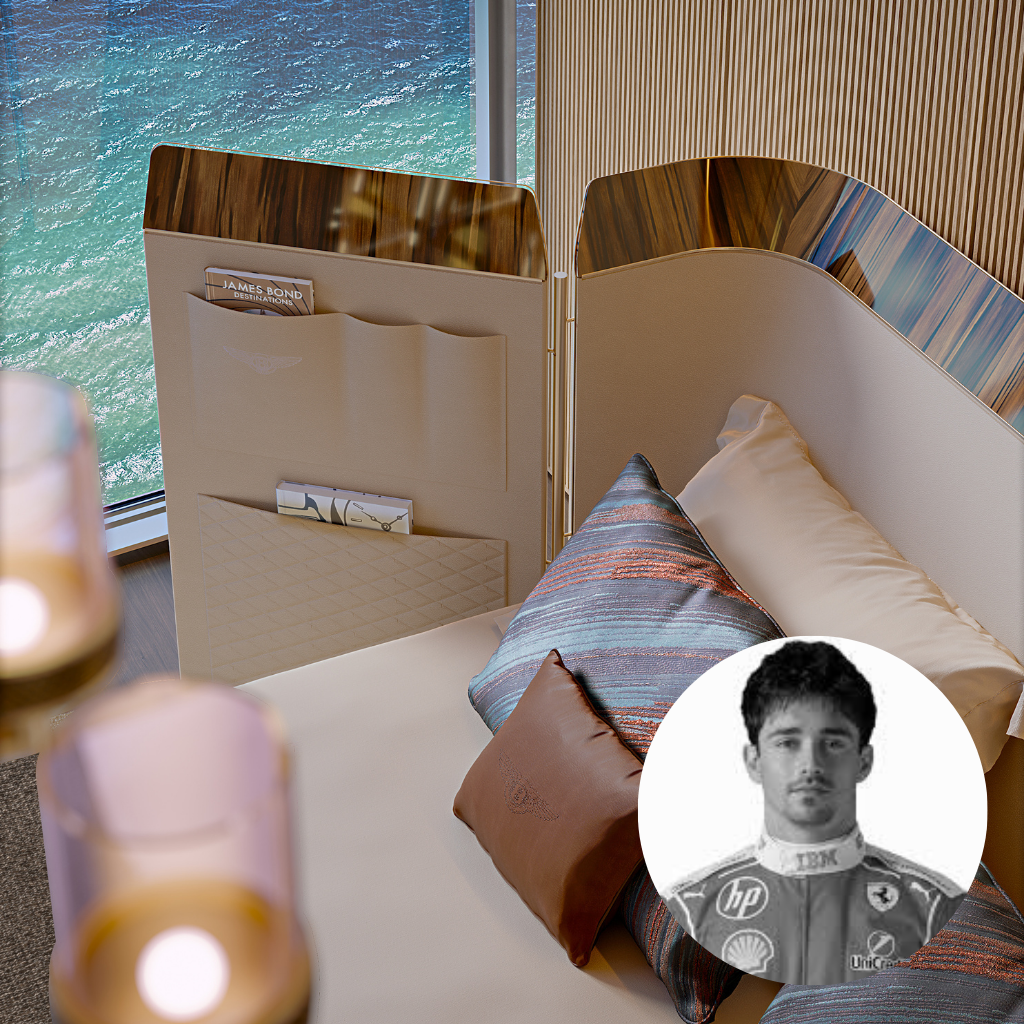
Bentley Residences → Charles Leclerc
Charismatic, refined, quietly loaded
Leclerc is the driver you’d most plausibly find at a piano in a Monaco hotel lobby at midnight. There’s an ease to him that doesn’t read as effort, even when it clearly is. Bentley Residences translates that sensibility into concrete and glass: the kind of address that communicates something without needing to announce it. Both are for people who’ve made it look effortless for so long that it probably is.
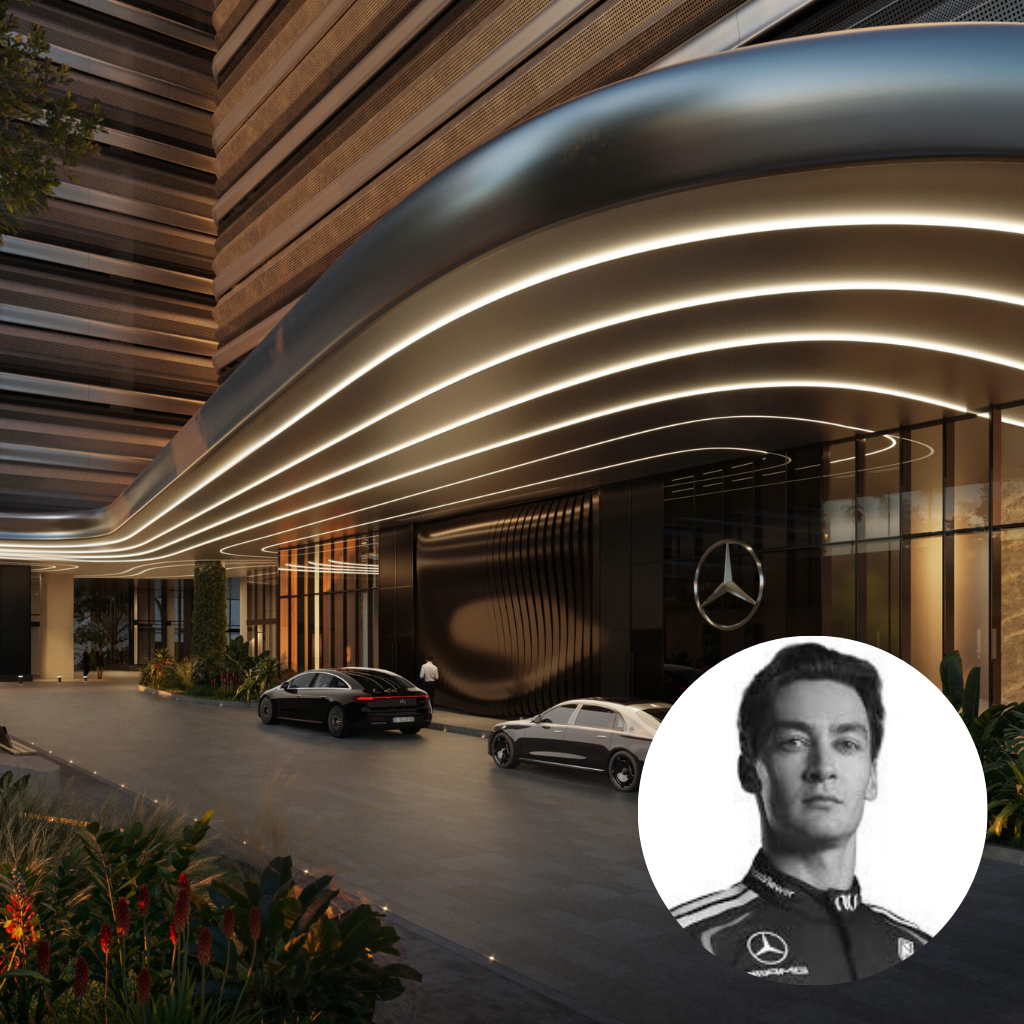
Mercedes-Benz Places → George Russell
Precise, future-facing, globally minded
Russell is arguably the most technically articulate driver on the current grid, the kind of person who can explain the aerodynamic implication of a kerb strike in real time. Mercedes-Benz Places is built for a buyer who thinks the same way: someone who wants systems, intelligence, and innovation embedded in the walls. The future-of-luxury buyer.
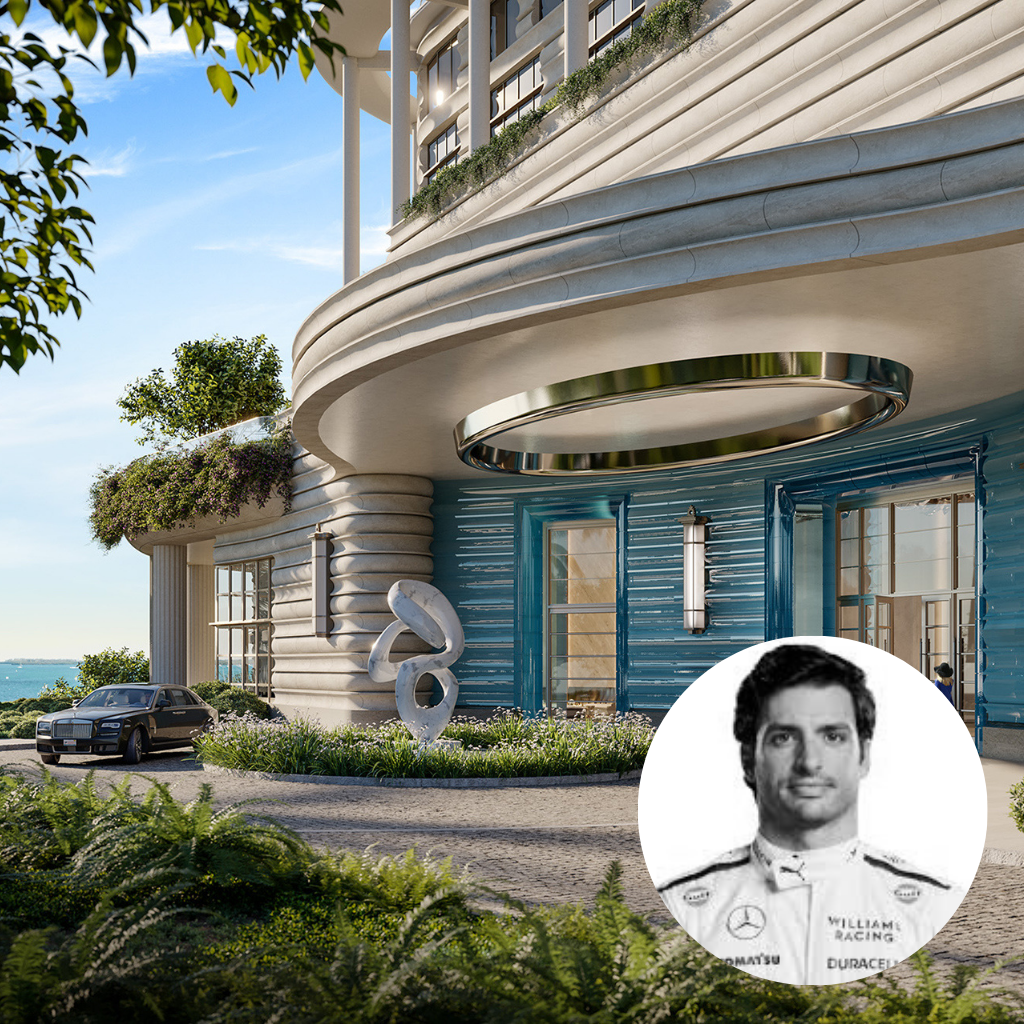
St. Regis Residences Miami → Carlos Sainz Jr.
Consistent, composed, built for the long haul
Sainz doesn’t have a signature move. What he has is a standard of performance that almost never drops, and a particular kind of dignity in how he goes about things. The St. Regis Residences is that building: service-driven, impeccably managed, the kind of address that appreciates not because of a single dramatic moment but because it never disappoints.
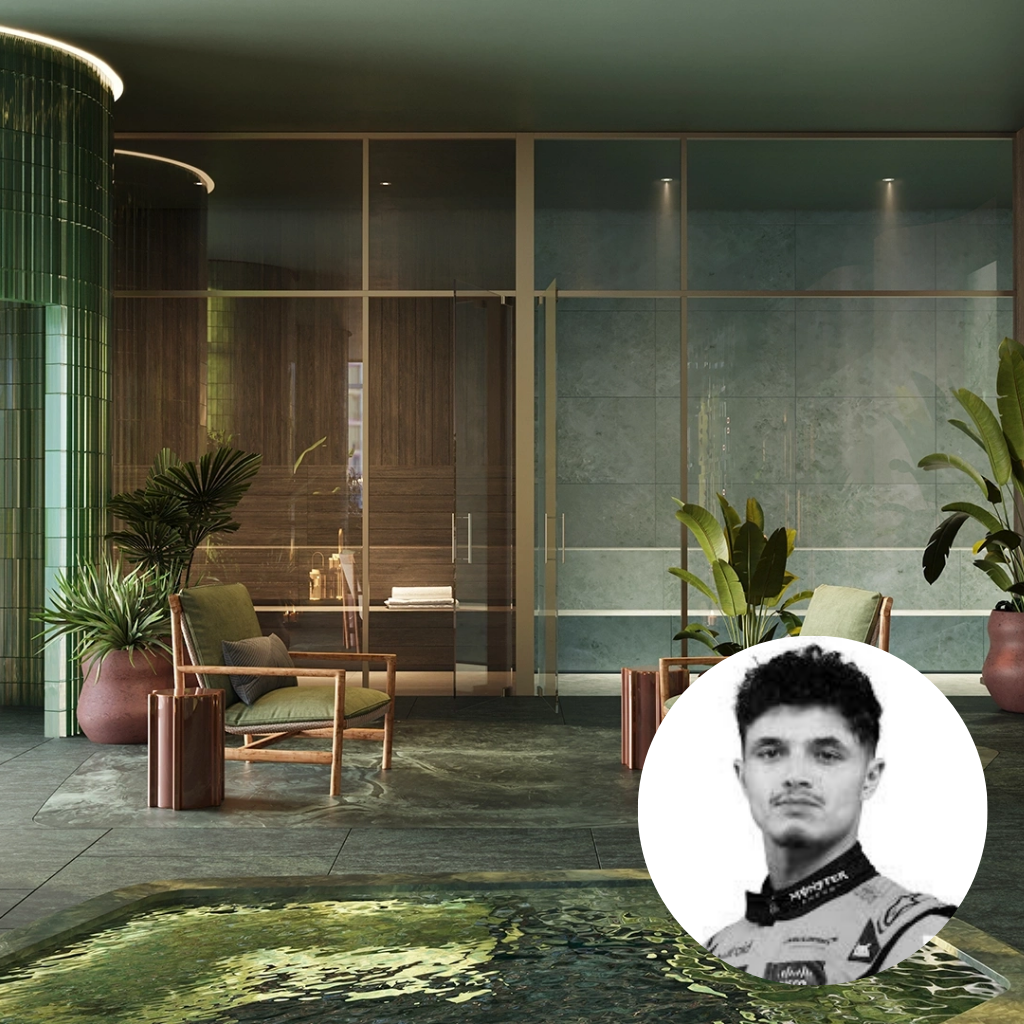
Jean-Georges Miami Tropic Residences → Lando Norris
Social, experiential, impossible to dislike
Norris is the driver most likely to have a podcast, a gaming setup, and a culinary collab in the same week. Jean-Georges Miami Tropic Residences brings the same energy: a residence where the amenity isn’t the residence. It’s the hospitality. The dining. The built-in social life. For the buyer who sees home as a platform for experience rather than a retreat from it.
The race begins May 1st. The buildings, of course, aren’t going anywhere.
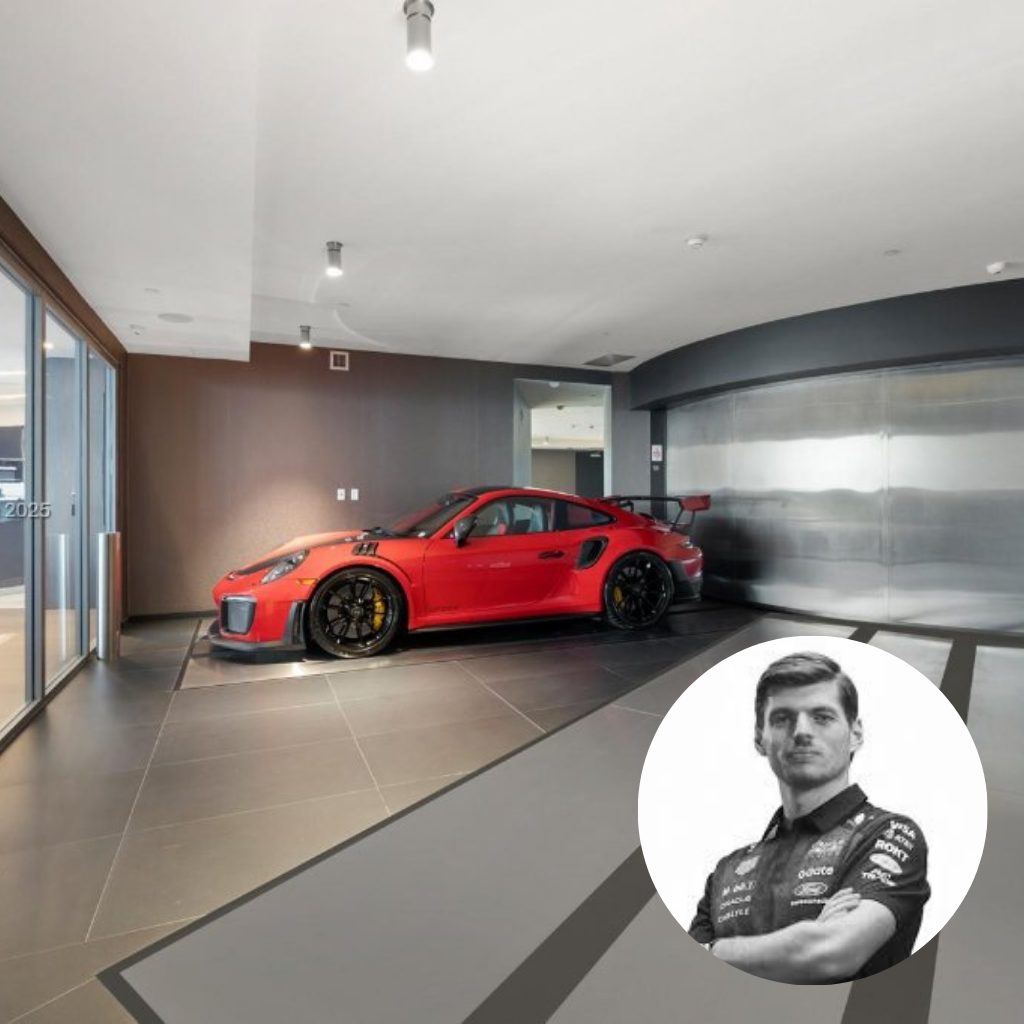
Porsche Design Tower → Max Verstappen
The dominant force that redefines the category
There is a version of competing at the highest level that looks, from the outside, almost unfair. Verstappen doesn’t just win races. He recalibrates what winning looks like, then does it again. Porsche Design Tower operates from the same position: a building that didn’t enter the Miami market to participate but to establish a standard everything else gets measured against. The car garage in the sky, the rotating car elevator, the engineering logic embedded in every detail. Both are for people who aren’t interested in being one of the best options. They intend to be the only conversation.
The drivers referenced in this piece are not affiliated with, do not reside in, and have not endorsed any of the residences featured. Pairings are editorial and entirely for fun.